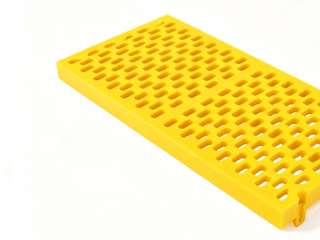
 polyurethane Screen Panels">
Modular polyurethane screen plates have a service life that is 3-5 times longer than ordinary metal screen plates and approximately 5 times longer than rubber screen plates
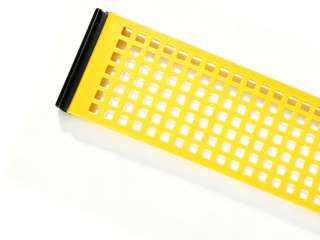 polyurethane tension screens">
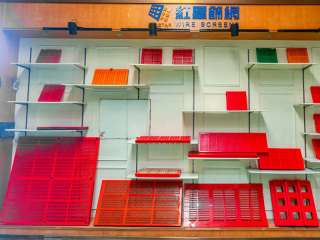 polyurethane Screen Panels">
For plant operators, identifying manufacturing defects in new polyurethane screen panels is crucial to avoid premature failures A systematic acceptance check ensures you install panels fit for purpose
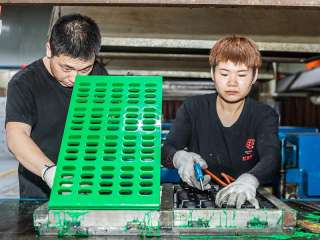 polyurethane Screens During the Screening Process">
Don t wait for a screen to crack and fail to diagnose hydrolysis By proactively analyzing the hydrolysis resistance of the polyurethane panel, you can select screens designed for the environment
 polyurethane Screen Panels in Phosphate Ore Beneficiation">
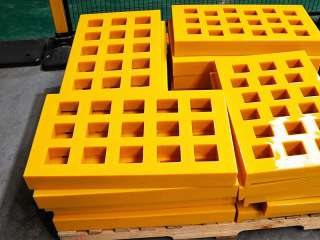
polyurethane screen panels sound like a great choice—they’re known for standing up to wear—but if they can’t handle both the grinding and the acid, you’re going to see a lot of downtime and wasted money
 polyurethane Screens for Aggregate Washing and Screening">
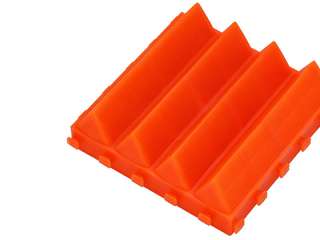
In aggregate washing and screening plants, achieving efficient dewatering while withstanding constant abrasive and hydraulic wear is a major operational challenge polyurethane screens have become a go-to solution
 polyurethane Tensioned Screen Panels">
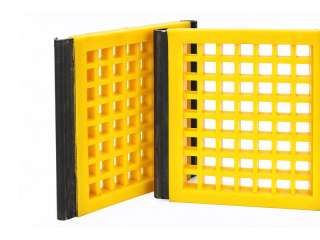
The effectiveness of high-quality polyurethane tensioned screen panels hinges entirely on the frame that supports them and the system used for their installation
 polyurethane Screens for Heavy Mineral Ore Beneficiation">
polyurethane screens are a popular choice, but not all PU is created equal Relying on generic material specs is a gamble
 polyurethane Screen Panels Fight Adhesion and Statics In Graphite Ore Areas">
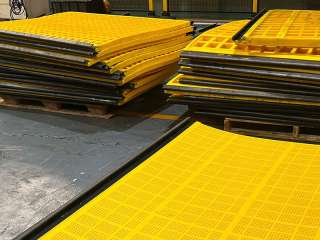
If your current screens keep gumming up with graphite fines, don t just blame the feed Blame the panel Anti-adhesion and anti-static polyurethane screen panels exist specifically for this headache
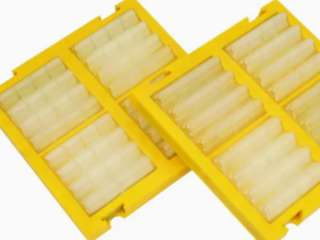 polyurethane Screens in Sand Washing">
Sand washing operators love polyurethane screens — until they get the invoice These flexible panels deliver impressive dewatering performance, but the consumable costs add up quietly across a busy production line
