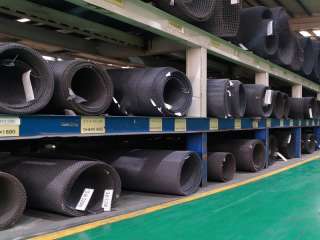
 screen Media Types and Comparison">
Tested guide breaks down the most widely used real-world Quarry screen Media options that quarry teams actually rely on every day, with no overhyped niche products or empty marketing buzzwords
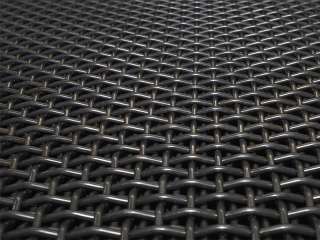 screen Mesh for Stone Classification">
Practical, field-tested guide breaks down what actually makes a long-lasting Aggregate screen Mesh perform reliably for heavy stone classification, with real-world insights refined across dozens of hard rock
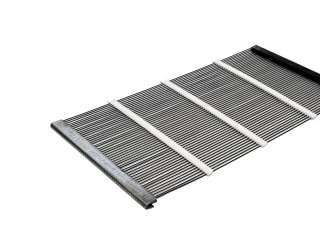 wire screen Abrasion Resistance in Heavy Mining Conditions">
This practical guide breaks down exactly how to maximize piano wire screen abrasion resistance for heavy mining operations, using proven methods that teams have refined across dozens of high-tonnage hard rock and iron ore processing sites
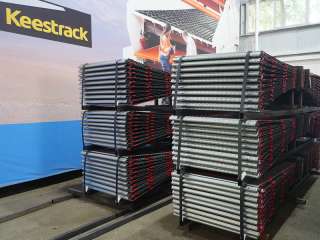 woven screen for Aggregate Gradation screening in Quarries">
This practical, field-tested guide skips generic marketing talking points and breaks down exactly how this specialized screen design solves the most frustrating, costly gradation pain points that almost every aggregate quarry runs into on a daily basis
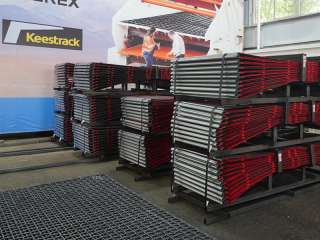 woven screen wire Wear Reasons and Practical Prevention Solutions">
The most common real-world flat-top woven screen wire wear reasons, paired with actionable low-cost prevention solutions that teams have tested and proven across hundreds of aggregate and mining decks
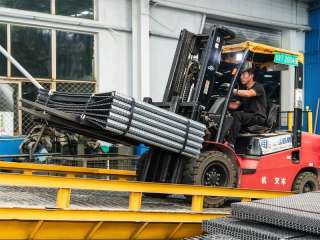 woven screen:Durable Metal woven screening Mesh for Mineral Processing">
A purpose-built square woven screen is engineered from the ground up to deliver long, reliable service life in even the harshest mineral separation workflows
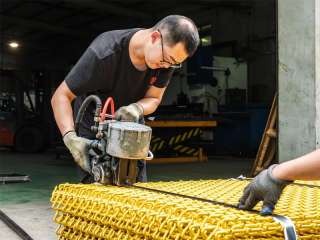 woven screens for Aggregate screening Operations">
A clear, practical breakdown of square woven screen pros and cons is the best way to understand exactly where this screen type will deliver massive performance gains for your aggregate operation
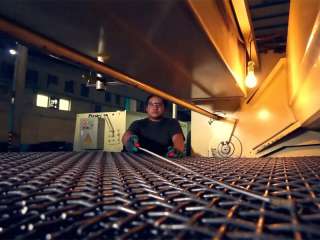 woven Mesh for Copper Ore screening">
A purpose-built woven mesh for copper ore delivers a set of targeted operational advantages that no other screening media can match, making it the most cost-effective, reliable choice for every stage of your copper ore crushing and classification
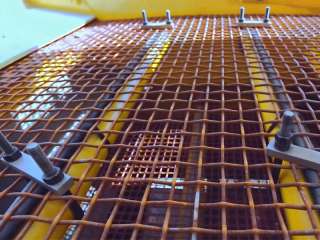 woven wire Mesh Aperture Guide: How to Choose Correct Opening Size">
A structured, practical woven mesh aperture guide eliminates all this guesswork, helping you pick the exact opening size that delivers perfect classification accuracy
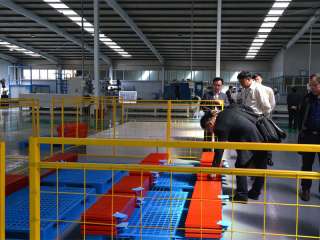 woven Mesh and PU screen Panel: Which screening Media Is Better for Your Plant">
A fair, side-by-side comparison of woven mesh and PU screen panel across real-world operating conditions will help you pick the exact media that perfectly matches your plant’s unique processing requirements
