Piano Wire Screen: Maximizing Abrasion Resistance for Heavy Mining
If you’ve ever pulled a fine sizing piano screen off your mining deck after 3 weeks of processing high-silica hard rock ore, and found deep scoured grooves worn halfway through the wires, you know how easy it is to underestimate how harsh heavy mining conditions can be on flexible fine screening media. Many mining maintenance supervisors I’ve worked alongside over the years shared that they used to assume all piano screens would wear out extremely fast in high-abrasion hard rock environments, until they learned that material selection, heat treatment and tension setup have far more impact on performance than just the basic flexible wire design itself. This practical, field-tested guide breaks down exactly how to maximize piano wire screen abrasion resistance for heavy mining operations, using proven methods that teams have refined across dozens of high-tonnage hard rock and iron ore processing sites.
High-Carbon High-Manganese Spring Steel Base Material Tuning
The first foundational design choice that sets the baseline for maximum piano wire screen abrasion resistance in heavy mining use cases is selecting the exact right high-carbon 65Mn high-manganese spring steel wire specification, instead of using generic low-carbon steel wire that most low-cost mass-produced piano screens are made from. Generic low-carbon steel wire is soft and ductile, so it scours away extremely fast when exposed to sharp angular high-silica ore particles, wearing completely through in less than 30 days even at moderate tonnage levels. Properly formulated 65Mn high-manganese spring steel, by contrast, has a naturally high surface hardness that resists abrasive scouring far better, while still retaining enough flexible spring properties to bounce and vibrate without snapping under heavy impact. Most mining operations that upgraded their piano screen wire material to 65Mn high-manganese steel reported that their baseline panel service life immediately doubled, even when processing extremely abrasive 18%+ silica hard rock ore.
Precision Quenching and Tempering Heat Treatment Optimization
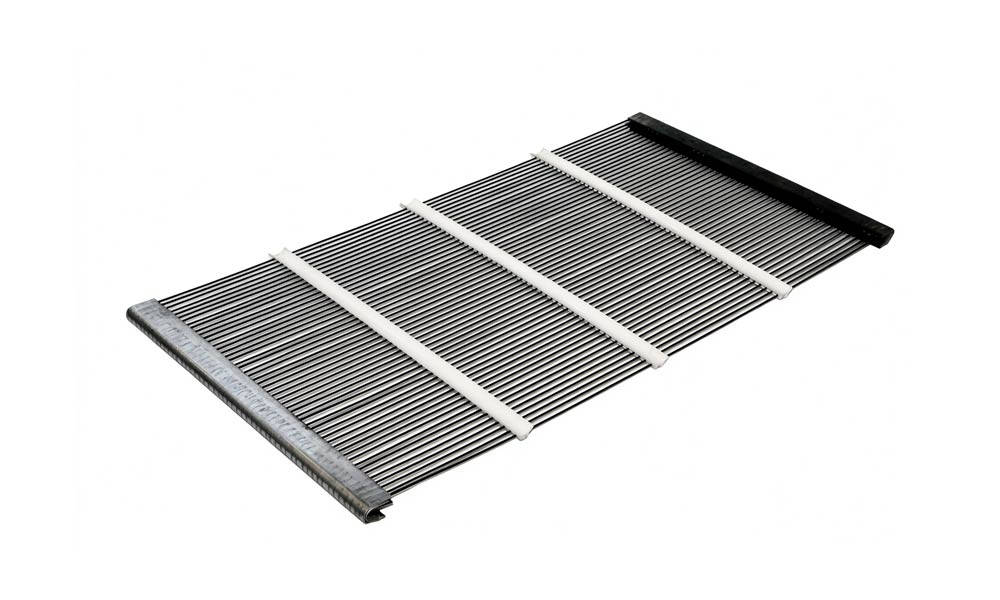
The second critical manufacturing process step that drastically boosts piano wire screen abrasion resistance is a carefully controlled double quenching and low-temperature tempering heat treatment workflow, which creates a perfect balance between extreme surface hardness and core toughness that generic untreated wire cannot match. If the wire is only heated and quenched once, it will either be too soft and wear fast, or too hard and brittle, snapping unexpectedly after a few days of heavy vibration and impact with no warning. The double heat treatment process first quenches the wire to lock in maximum surface hardness for abrasion resistance, then tempers it at a precise low temperature to soften the inner core slightly, so the wire can flex and absorb heavy boulder impact without developing fatigue micro-cracks that lead to sudden breakage. Most mining sites that switched to double heat-treated piano wire reported that their average panel service life jumped from 45 days up to 90+ days, with almost zero unexpected random wire break failures.
Even Uniform Tension Setup to Eliminate Uneven Concentrated Wear
The third on-site installation adjustment that unlocks the full potential of your piano wire screen abrasion resistance is setting a perfectly even, consistent tension level across every single parallel wire on the full deck, no over-tensioned or under-tensioned spots allowed. If some wires are over-tensioned and others are loose, the loose wires will sag down and rub against the support bars under the deck, creating hidden underside friction wear that scours through the bottom of the wire extremely fast, long before the top surface wears down to its end of life. Over-tensioned wires, on the other hand, cannot flex and vibrate properly, so sticky near-size particles wedge against their surface and create concentrated local scouring grooves that wear through the wire in a narrow spot far faster than the rest of the panel. Using a simple torque wrench on every single tension bolt, and adjusting each wire to the exact same measured tension level, ensures every wire wears down slowly and evenly across its full length, delivering the maximum possible total usable service life out of every panel. Most mining operations that standardized their tensioning process reported that their average panel life increased by an extra 30%, with zero hidden premature underside wear.
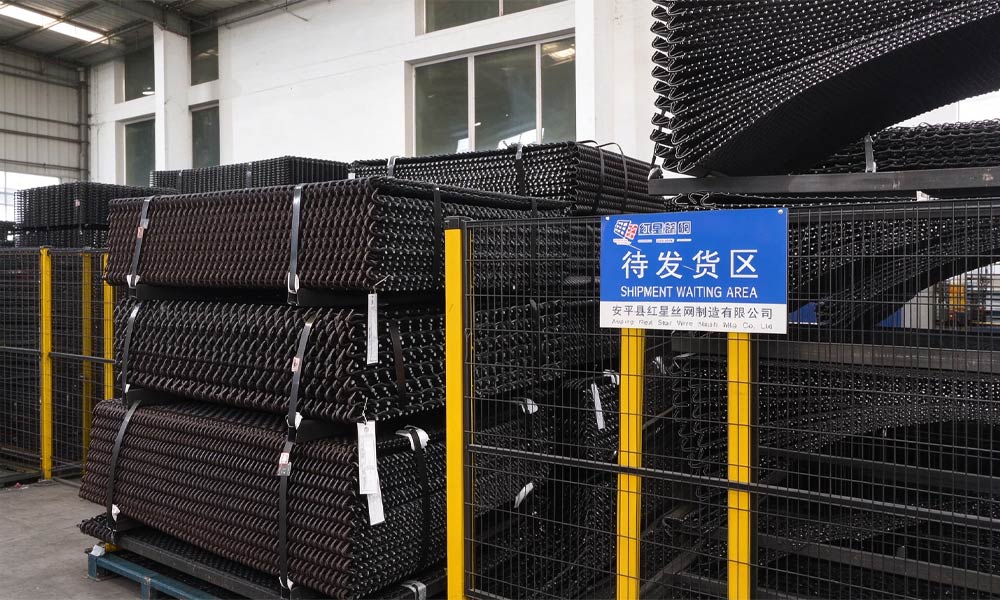
Targeted High-Impact Zone Wear Protection
The final low-cost on-site optimization that extends your piano wire screen abrasion resistance even further is adding simple modular high-manganese steel impact protection bars across the first 20cm of the feed end of the deck, where 70% of all heavy boulder impact and concentrated abrasive scouring happens. The heaviest, sharpest large particles fall directly onto the feed end of the deck at high speed, scouring away at the wires far faster than the rest of the panel, creating a deep localized wear groove that tears through the feed end wires long before the rest of the screen reaches its end of life. Adding these simple impact bars absorbs all the heavy high-velocity boulder impact before it hits the piano wires, spreading the material flow out evenly across the full width of the deck, so no single section of wires takes on a disproportionate share of the abrasive load. Most mining sites that added this simple low-cost protection setup found that they eliminated the localized feed end wear groove completely, making the full panel wear at a perfectly even rate, and extending total panel service life by another 20%.
By combining premium material selection, optimized heat treatment, uniform tensioning and feed-end impact protection, you can greatly improve the abrasion resistance of piano wire screens and achieve 90+ days service life even in severe high silica hard rock mining conditions.