Aggregate Screen Mesh: Durability Features for Quarry
If you’ve ever pulled a brand new screen panel off your quarry scalping deck after only 12 days of operation, shocked to find deep scoured holes and full wire breaks that let tons of oversize rock slip straight into your finished aggregate stockpile, you know how much a poorly built, low-quality screen mesh can derail your whole operation’s production schedule and profit margin. Many quarry operations leads I’ve worked alongside over the years shared that they used to chase the lowest upfront price on every screen order, until they ran the full annual numbers and found that cheap thin wire panels were costing them far more in wasted downtime and lost saleable material than they ever saved on the initial purchase. This practical, field-tested guide breaks down what actually makes a long-lasting Aggregate Screen Mesh perform reliably for heavy stone classification, with real-world insights refined across dozens of hard rock, granite and limestone quarry sites.
High-Tensile Hardened Wire Material Resists Abrasive Scouring
The first core feature that separates a truly long-lasting Aggregate Screen Mesh from cheap disposable alternatives is its use of properly heat-treated high-carbon high-tensile steel wire, instead of soft low-cost mild steel that wears through in less than two weeks. The best durable options go through a precision quenching and tempering process that brings the wire’s hardness up to a consistent 45-50 HRC, hard enough to stand up to months of continuous scouring from sharp crushed granite, basalt and silica sand particles, without wearing thin or developing random weak spots. Cheap mild steel wire bends easily under heavy impact and scours away extremely fast, forcing you to replace panels every 10 to 14 days, while properly hardened high-tensile wire can deliver 6 to 8 weeks of continuous heavy operation even in the highest-abrasion quarry scalping applications. Most quarries that switched to this higher-grade material found that their total panel replacement frequency dropped by more than 60%, cutting down on hours of unnecessary changeout downtime every month.
Reinforced Crimp Pattern Prevents Wire Shifting and Aperture Distortion
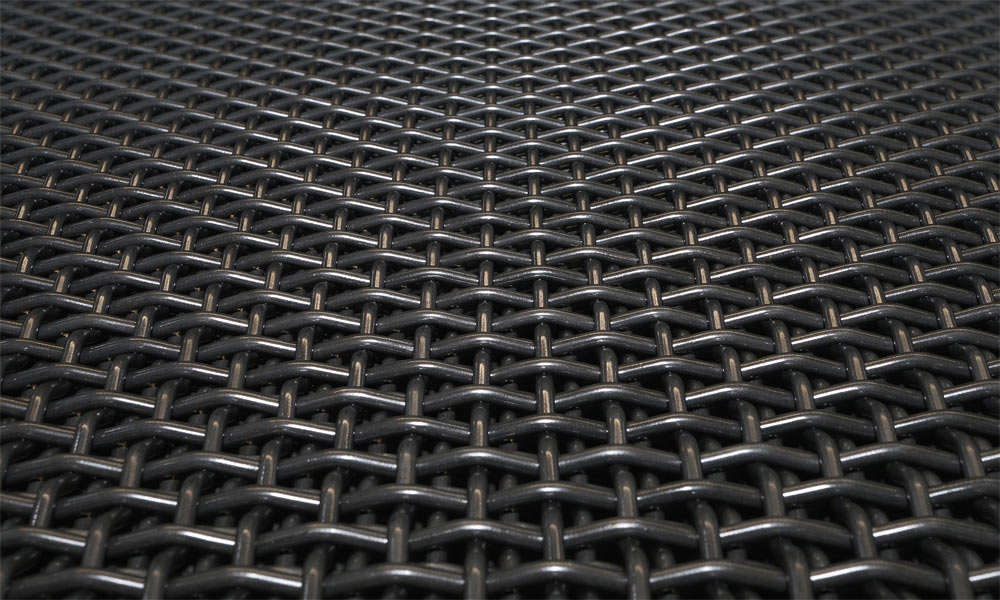
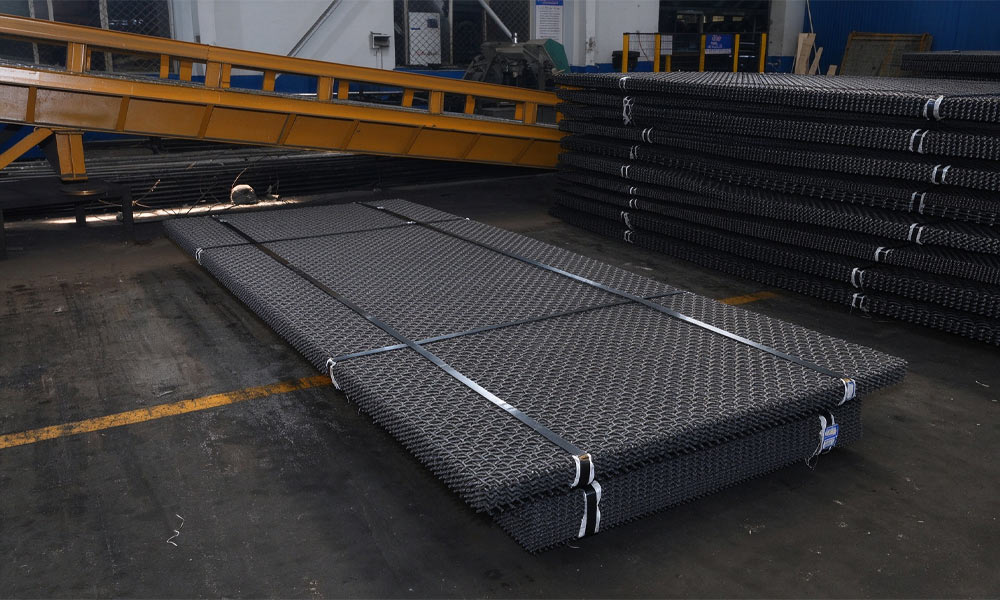
The second critical design detail that drastically extends the usable life of a heavy-duty Aggregate Screen Mesh is a dual pre-crimp interlock pattern that locks every single wire firmly in place, so no opening can stretch, shift or warp out of shape under constant heavy load. Cheap generic mesh only uses a simple single crimp on each wire, which lets the interlaced wires slide and shift apart after a few weeks of heavy vibration, creating random oversized distorted gaps that let unexpected oversize rock slip through and contaminate your finished aggregate product. The reinforced dual crimp design bends each wire on both sides of every intersecting point, locking every single wire completely immovable even under months of continuous heavy impact and abrasive scouring, so every aperture stays exactly the same size for the full service life of the panel. Most quarries that upgraded to this reinforced crimp pattern reported that their finished aggregate gradation stayed perfectly consistent for weeks on end, completely eliminating random off-spec batches that used to trigger costly customer rejections.
Thick Reinforced Edge Binding Eliminates Premature Mounting Point Failure
The third easily overlooked durability feature that most cheap mesh skips is a heavy reinforced wrapped edge binding, the part of a robust Aggregate Screen Mesh that almost always fails first on low-quality panels. Most budget mesh options just leave the cut wire ends exposed at the mounting edge, so the constant tension and vibration of the deck makes individual wires pull loose and unravel from the edge after only a couple of weeks, tearing the whole panel apart long before the main screening surface shows any real wear. A properly built durable mesh wraps the full edge in a thick heavy steel reinforcing band, then locks every single wire end securely under that band, so no wire can ever pull loose or unravel even after months of continuous high-tension operation. Most quarries that started using this reinforced edge design found that they completely eliminated the extremely common premature edge unraveling failure that used to ruin perfectly good panels halfway through their expected service life.
Custom Hook and Frame Matching Reduces On-Site Installation Stress
The final practical durability feature that adds weeks of extra usable life is a custom pre-formed hook mounting profile that is perfectly matched to your existing deck’s rail dimensions, the final detail that makes a well-built Aggregate Screen Mesh far more reliable than generic one-size-fits-all panels. If the hook profile on a generic panel is too narrow or too wide for your deck’s tension rails, you have to bend, pry and force it into place during installation, creating hidden stress cracks in the wires right at the mounting point that make them snap unexpectedly under vibration. A custom matched hook profile slides perfectly onto your existing rails with zero forcing or bending, so the wires sit in their natural unstressed state even when fully tensioned, eliminating all the hidden installation-related fatigue points that cause early random wire breaks. Most quarries that ordered custom hook-matched panels reported that their average panel service life jumped by an extra 30%, with zero unexpected mid-shift catastrophic wire failures.
By prioritizing these four underrated durability features instead of just chasing the lowest upfront price, you can get far more consistent performance, far fewer unplanned failures and far longer total service life out of every Aggregate Screen Mesh you install, drastically cutting your total annual quarry consumable costs and unplanned downtime.