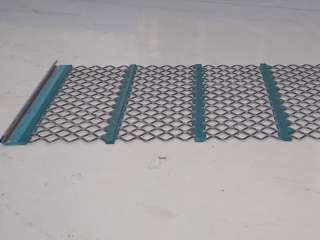
 self-cleaning screens for material screening">
For aggregate processing, mining and construction waste sorting, the exact moisture content threshold to switch to self-cleaning screens can save you 30% of unplanned downtime and boost your screening efficiency
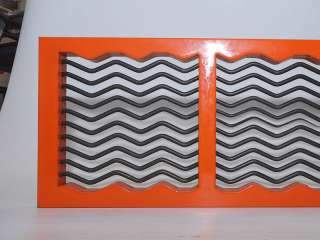 self-cleaning screens in the Separation and Screening of Industrial Waste Residue and Solid Waste">
Anti-clogging self-cleaning screens deliver measurable advantages in industrial waste residue and solid waste screening: higher throughput, better separation precision, reduced downtime, and lower operating costs
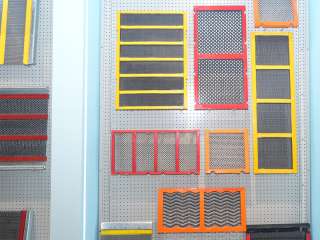 self-cleaning screens">
self-cleaning screens have quietly become a game-changer on modern mining sites—not by adding complexity, but by solving a problem every operator knows too well: blinding When fine, damp material clogs standard mesh, productivity tanks
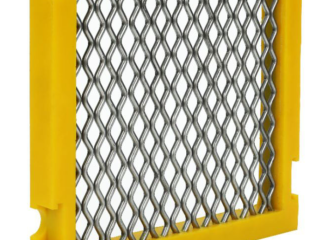 self-cleaning screens: Maintaining Wear Resistance and Cleaning Properties Under High-Frequency Vibration">
Mining, quarrying, or recycling screening operations often face problems such as rapid screen wear and material accumulation, leading to increased downtime and impacting production profits PU-reinforced self-cleaning screens change this situation
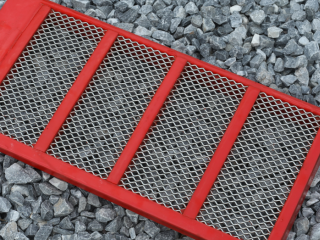 self-cleaning screens">
Crimped self-cleaning screens might look tough when they are new, but they often wear out faster than people expect If you want to reduce maintenance time and save money, you need to understand why these screens fail and how to keep them running longer
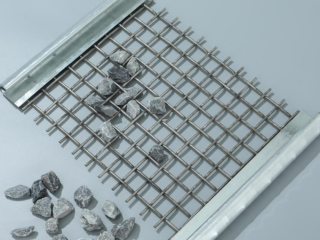 self-cleaning screens vs Wire Woven screens: Effective Aperture Ratio and Screening Efficiency Comparison">
When you actually compare the effective aperture ratio and screening efficiency of self-cleaning screens in depth, you ll find the difference is larger than anyone expected
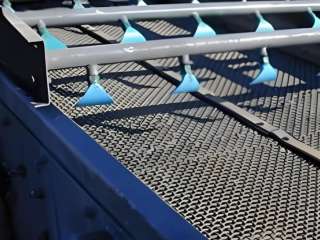 self-cleaning screens for mines: ensuring efficiency and safety">
Since its unique self-cleaning function, self-cleaning screens for mines can effectively prevent clogging of screen holes and improve screening efficiency
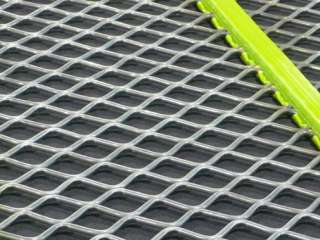 self-cleaning screens in Screening Efficiency">
Slotted Crimped self-cleaning screens are essential for industries such as mining, aggregates, and recycling, where fine and difficult-to-screen materials can clog traditional screening systems
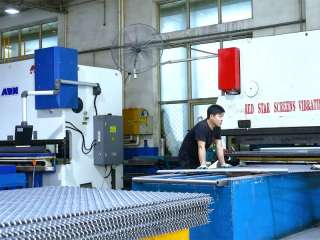 screens for Crushed Stone Separation">
A clear understanding of the wear-resistance performance of Woven Wire screens helps you pick the right product that can stand up to harsh crushed stone separation conditions
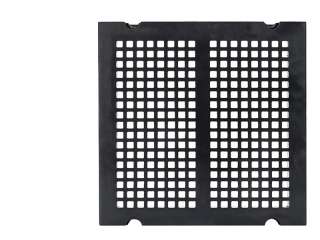
For open-pit mine operations that run screening equipment fully exposed to direct sunlight 7 to 12 months every year, standard rubber screen panels often develop surface cracking, brittleness and performance degradation in less than 12 months
