Crimped self-cleaning screens might look tough when they are brand new, but
they often wear out faster than people expect. If you want to reduce your
maintenance time and save money, you need to understand why these screens fail
and how to keep them running longer.
The Design Flaw That Causes Most Failures
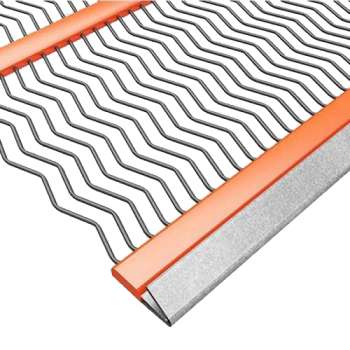
The biggest problem with the design of crimped self-cleaning screens is also
what makes them work. The crimped shape provides the flexibility needed to keep
the screen from clogging, but those same bends are where the most stress builds
up. When the machine is vibrating heavily, these points are prone to cracking
from fatigue. This gets even worse if you are screening abrasive materials like
sand or wet clay, which can wear the wires thin in those exact spots. Most of
the time, operators do not even notice the damage until the screen loses its
tension or starts letting large rocks through.
Why Cheap Crimped Screens Die So Fast
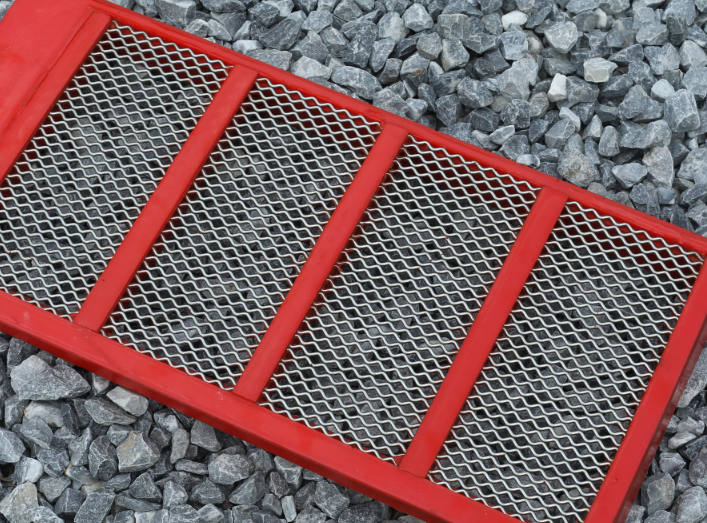
Not all crimped self-cleaning screens are built to the same standards. Their
durability depends on the type of metal used, the way they are crimped, and the
finish on the surface. For example, screens made from high-carbon or manganese
steel last much longer than those made from cheap, low-carbon steel. The
physical shape of the crimp matters too, as larger gaps can help spread out the
stress. Even a polished surface helps by letting abrasive particles slide off
with less friction. Cheaper screens usually skip these details, which is why
they have such a short lifespan.
Four Practical Ways to Make Your Screens Last Longer
To get more life out of your screens, start by picking a wire grade that
actually matches what you are screening. If you are dealing with rough
aggregates, the budget-friendly wire is almost never the right choice. You also
need to watch your feed rate. Overloading the screen puts more stress on the
wires than they were designed to handle. It is also important to make sure the
crimped self-cleaning feature is actually working. If material starts to build
up, it creates extra friction and speeds up wear. Finally, try to inspect the
crimp points at least once a month. If you catch small cracks early, you can
prevent them from spreading and avoid the cost of a full replacement.
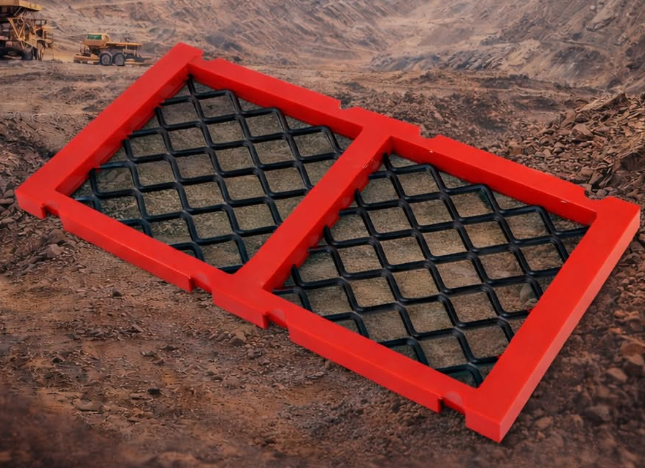
Many operators view these self-cleaning screens as items that just need to be replaced
constantly, but they can actually perform better than standard woven screens if
they are handled correctly. While you might pay more upfront for a better
screen, the total cost is usually lower in the long run because they do not need
to be replaced nearly as often.


Leave A Reply
By using form u agree with the message sorage, you can contact us directly now