Mining, quarrying, or recycling screening operations often face problems such
as rapid screen wear and material accumulation, leading to increased downtime
and indirectly impacting production profits. Polyurethane-reinforced
self-cleaning screens change this situation, especially when used in conjunction
with high-frequency vibration systems. The following points mainly explain why
they are chosen for mining, quarrying, or recycling screening.
Why Ordinary Screens Can't Support Heavy-Duty Screening Work
Most steel or rubber screens perform well under light loads. However, if they
are used to process abrasive materials and subjected to continuous
high-frequency vibration, they may crack, deform, or clog within a short period.
Operators will have to replace the screens every few months, significantly
increasing cumulative costs. Wear is not the primary issue; the main problem is
the increased downtime between screen replacements.
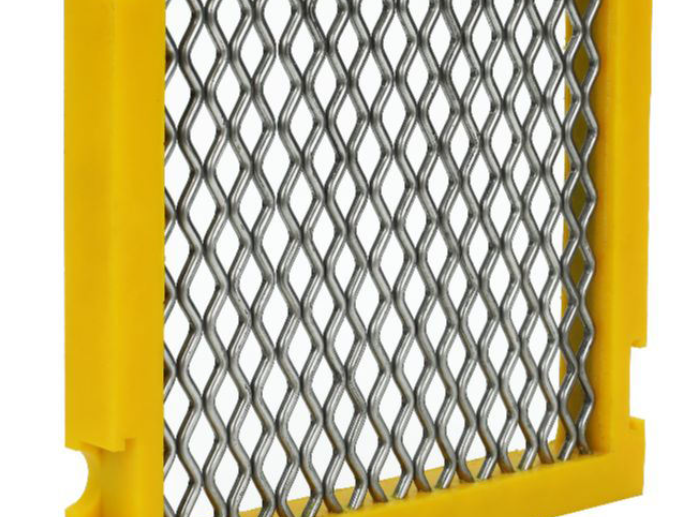
The Unique Features of Polyurethane-Reinforced Self-Cleaning Screens
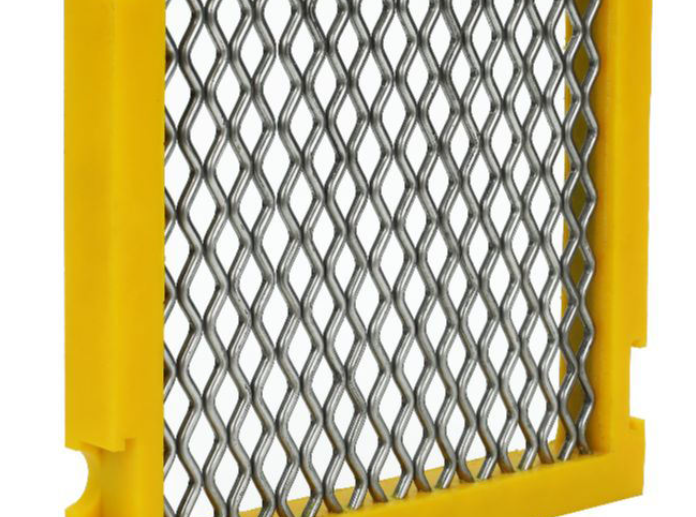
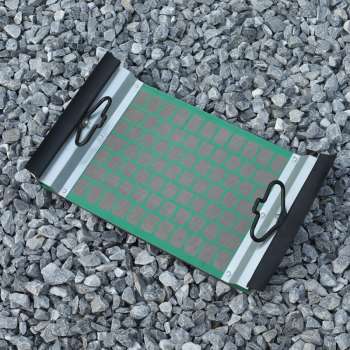
Polyurethane-reinforced self-cleaning screens use polyurethane layers bonded
to a steel or composite material frame. This material possesses the abrasion
resistance of polyurethane, many times that of ordinary rubber, while
maintaining the required structural rigidity even under severe vibration. It can
bend without cracking, and withstands harsh screening conditions far better than
traditional screens.
Self-cleaning function: No manual scraping required
Another advantage of polyurethane-reinforced self-cleaning screens is their
self-cleaning function. Under high-frequency vibration, the polyurethane surface
bounces material away instead of embedding it. Fine particles are flung out
without getting stuck in the screen. This self-cleaning function ensures
production efficiency without requiring workers to stop and manually scrape off
build-up. This alone is enough to demonstrate its value for night shift
workers.
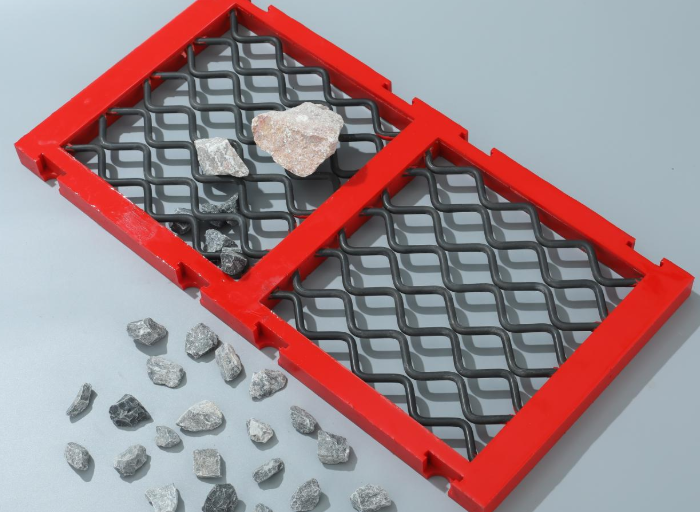
If your existing screening equipment cannot withstand continuous maintenance
under high-frequency vibration, then replacing it with a polyurethane-reinforced
self-cleaning screen is necessary. It not only offers better wear resistance but
also saves time and costs associated with manual cleaning. The return on
investment is typically realized within 3-4 months.


Leave A Reply
By using form u agree with the message sorage, you can contact us directly now