Wear-Resistance Property of Woven Wire Screens for Crushed Stone Separation
For aggregate and crushed stone processing sites that run 24/7 high-volume screening operations, using low-quality screens that wear out fast leads to frequent panel tear, inconsistent particle classification, and hours of unplanned downtime that eats directly into daily production output. Many on-site operation teams shared that they previously wasted thousands of dollars on cheap generic screens that failed in less than a week under the constant impact of sharp, angular crushed rock. A clear understanding of the wear-resistance performance of Woven Wire Screens helps you pick the right product that can stand up to harsh crushed stone separation conditions, drastically cutting your annual spare part cost and maintenance workload.
Wire Hardness vs. Toughness Trade-off
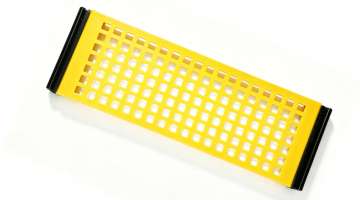
The first instinct is to specify the hardest wire money can buy, and then wonder why the panel cracked at the hook strip after four days. High-carbon spring steel drawn to 45–55 HRC will resist abrasion from sharp stone longer on the crown of the wire, but it also bends like a strict accountant—no forgiveness, no plastic reserve, and a fatigue crack starts the moment the support bar taps it out of phase. Manganese or medium-carbon galvanized wire gives less pure abrasion life but absorbs impact and survives the vibration story better. In crushed-stone duty the smart spec is zoned: harder wire on the top deck where coarse angular rock skids across the crimp, tougher lower-carbon or oil-tempered wire on fine decks where near-size flutter and vibration fatigue matter more than scraping. Self-cleaning Screens enter here because the polyurethane strands or harp wires take the sticky-flake abuse that would peg a plain square mesh, letting the woven sections focus on cut accuracy instead of spending their life fighting damp fines.
Crimp Type, Aperture, and Where the Stone Bites
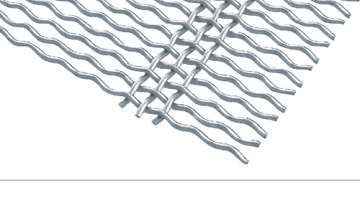
Not all woven wire wears the same, and the crimp is the unsung hero. Plain weave looks cheap and screens clean, but the wire sits in a shallow saddle and the stone’s edge rides straight across the contact point—high localized cutting, fast crown loss. Lock crimp and double crimp seat the wire deeper, spread the load along the crimp, and resist the “sawing” action of angular aggregate sliding through the aperture. Flat-top or smooth-top weaves reduce the ledges where flakes perch, which matters when the feed carries elongated crusher fines. A wider aperture with heavier wire often outlasts a tight aperture with thin wire even at the same open area, because the stone touches less often and the wire has more meat to lose before the hole grows. On damp, dusty, flaky product Self-cleaning Screens keep that aperture from skinning over, so the woven panel is not secretly running at seventy percent open area while everybody blames the crusher setting—the mesh wears from honest abrasion, not from suffocating under its own near-size.
Impact Zone, Support Bars, and the Quiet Wear Killers
Most crushed-stone screens do not die at the center of the panel; they die at the edges, the feed lip, and the first support bar. The feed chute dumps 150 mm rock onto the deck like a small landslide, the wire work-hardens, the crimp flattens, and a micro-crack starts where nobody photographs. Support bars that are too few let the panel belly, so every vibration cycle the wire slaps the bar and fatigues at the contact line—classic “break above the bar” failure that looks like bad mesh but is really bad deck geometry. Rubber cushions, crowned support bars, correct bar pitch, and a feed box that throws the rock onto a wear plate instead of the mesh extend life more than jumping from 50 HRC to 55 HRC ever will. Self-cleaning Screens help indirectly: by shedding flakes and keeping the bed thinner, they lower the dynamic load on the woven section, so the impact zone is not also fighting a thick, sticky mat of near-size that turns the deck into a battering ram.
Material Selection Determines Baseline Wear Resistance
The first core factor that defines the overall service life of the screen is the base material of the woven wire, with high-tensile 65Mn spring steel and 304/316 stainless steel being the two most popular high-performance options for crushed stone processing, far outperforming cheap low-carbon iron wire that bends and wears through extremely quickly under repeated rock impact. Choosing the right material matched to your specific crushed stone hardness and abrasiveness can easily double or even triple the usable runtime of your screen panels, making every set of Woven Wire Screens far more cost-effective over the long run.
Weave Structure Optimizes Stress Distribution
The second key performance factor is the crimped heavy-duty weave structure, where pre-crimped wires lock tightly into each other at every intersection instead of sliding and rubbing against each other under high-frequency vibration, which drastically reduces internal friction wear that often breaks plain woven screens prematurely. This specialized weave design also prevents sharp crushed stone particles from shifting and cutting through the wire gaps, further boosting the overall durability of your Woven Wire Screens even when processing highly abrasive granite or basalt aggregates.
Proper Operating Parameters Extend Service Life
The third practical factor that directly impacts real-world wear resistance is adjusting your screen’s vibration stroke, feed height and material layer thickness to avoid dropping heavy large rock chunks directly onto the screen surface from more than 1 meter high, which causes immediate localized impact wear that ruins the panel far earlier than normal gradual abrasion. These small operational tweaks can add another 15% to 25% extra service life to your properly selected Woven Wire Screens, without requiring any extra investment in new equipment or spare parts.
Following these material selection, structure verification and operational adjustment rules will drastically reduce your screen replacement frequency, keep your crushed stone classification accuracy stable, and cut your total screening operation cost significantly.