For open-pit mine operations that run screening equipment fully exposed to direct sunlight 7 to 12 months every year, standard rubber screen panels often develop surface cracking, brittleness and performance degradation in less than 12 months, even if they never face excessive mechanical wear or chemical corrosion. Many operations that installed generic rubber panels found their units lost elasticity, stopped delivering reliable anti-clogging performance, and suffered unexpected structural failures long before reaching their advertised service life, leading to avoidable unplanned downtime and extra replacement costs. Systematic UV aging resistance testing for rubber screen panels, paired with purpose-built self-cleaning screens for Open-Pit Mines, eliminates this hidden long-term failure risk completely.
Accelerated Lab UV Exposure Simulation Testing
The first phase of the testing process runs rubber screen panel samples in a controlled UV aging chamber that replicates the full intensity of high-altitude open-pit sunlight exposure, with continuous 300+ hour UV radiation cycles paired with regular temperature fluctuations that mimic real daytime and night-time open-air conditions. This testing step lets us measure exactly how much surface hardness, elasticity and tensile strength each panel formulation loses over time, so we can filter out low-quality rubber blends that would turn brittle and crack after just a few months of real-world outdoor use on self-cleaning screens for Open-Pit Mines.
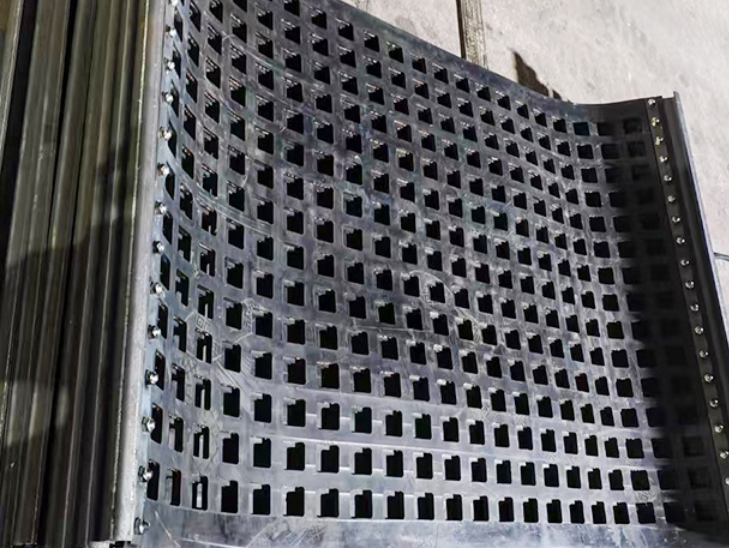
On-Site Open-Pit Field Exposure Validation
The second critical testing phase places pre-marked test panel samples on the actual open screening decks of active open-pit mine sites, where they are exposed to full unobstructed sunlight, extreme temperature swings, wind-blown dust and rain for a minimum of 6 months of continuous real-world operation. This field validation step catches real-world performance gaps that lab testing alone cannot identify, ensuring the UV-resistant rubber formulation we select for self-cleaning screens for Open-Pit Mines holds up perfectly to the unique harsh conditions of each mine site.
Post-Aging Anti-Clogging Performance Verification
The final testing step takes the UV-aged panel samples and runs them through a full material screening performance test, to confirm the panels still retain enough flexibility to deliver reliable anti-clogging motion for sticky or near-size ore particles, instead of turning rigid and losing all self-cleaning functionality after UV exposure. This final verification ensures the self-cleaning screens for Open-Pit Mines do not just resist surface cracking, but keep delivering their full advertised anti-clogging performance for their entire extended service life.
This full three-phase UV aging resistance testing process guarantees the rubber screen panels you deploy in your open-pit operation will not suffer premature UV-related failure, delivering 2 to 3 times longer outdoor service life than generic untested rubber panels. If you share details of your mine’s typical altitude, annual sunlight hours and average operating temperature range, our team can run a customized UV resistance performance assessment and recommend the exact panel formulation that delivers the longest possible service life for your site.


Leave A Reply
By using form u agree with the message sorage, you can contact us directly now