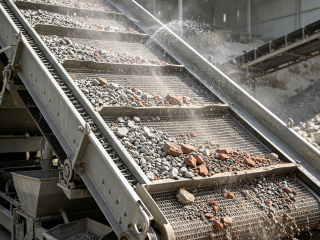
This practical guide breaks down the core rules for selection and bulk procurement of quarry aggregate screening mesh, tailored to real-world site conditions across North America, Australia and Europe
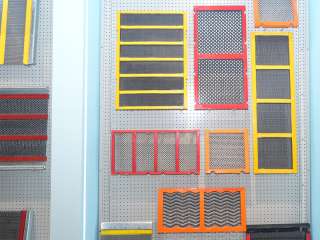
Self-cleaning screens have quietly become a game-changer on modern mining sites—not by adding complexity, but by solving a problem every operator knows too well: blinding When fine, damp material clogs standard mesh, productivity tanks
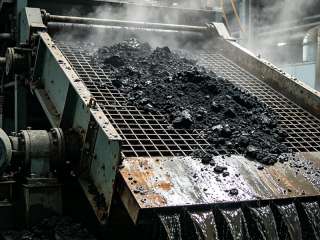
Choosing the right load-bearing steel gratings for drainage systems in coal preparation plants and tailings ponds is not a trivial purchase, but a critical decision that prevents long-term operational and safety headaches
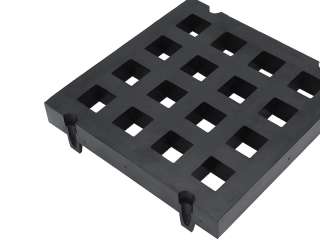
If you’ve ever pulled a screen deck and found half the high-natural rubber screen plates shredded while the other half look brand new, you know the frustration
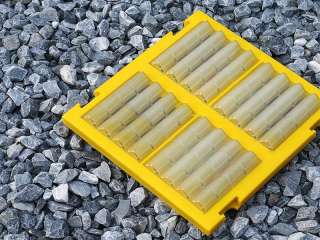
Today, the industry is moving toward tailings dry stacking, and at the heart of this revolution is a powerful duo: the high-frequency polyurethane fine screen and its star player of dewatering panel
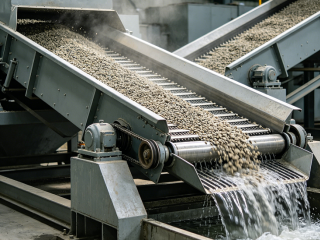
Standard vibrating screens often struggle with classification and dewatering recovery tasks,The linear excitation force design of linear vibrating screens breaks this efficiency bottleneck
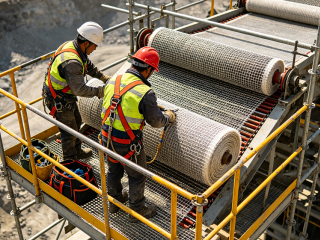
Work at heights is a routine part of installing, replacing, and maintaining mining screens In such an environment, safety is paramount, a standardized set of operating procedures is essential to completely eliminate risks
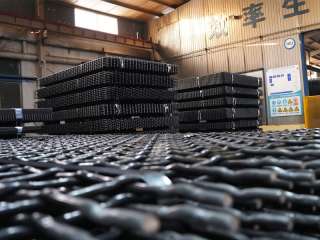
Scientifically assessing, monitoring, and predicting the wear cycles and service life of mining screens allows for optimal replacement timing, maximizing cost-effectiveness
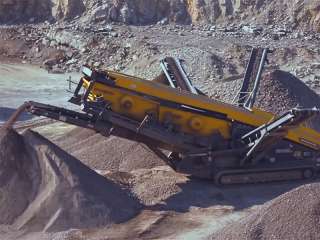
In the highly abrasive environment of iron ore processing, almost all mining operations have faced pitfalls regarding screen selection Choosing the wrong screen material increases direct expenses but also adds significant time costs
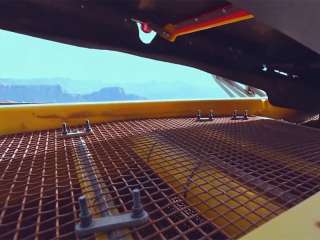
In copper mining, Selecting the right screening equipment and heavy-duty screen media is crucial screening isn’t a one-size-fits-all task
