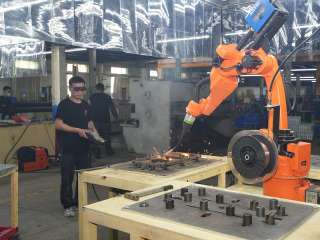
 Rubber Screen and Synthetic Rubber Screen">
For the aggregate processing and mining sectors, selecting between natural Rubber and synthetic Rubber Screens is a common challenge; a poor choice can reduce production efficiency and drive up consumable costs
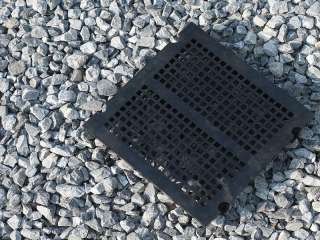 Rubber Screen Meshes on Material Screening Efficiency">
If you’ve ever swapped out a Rubber Screen mesh Panel only to find your material throughput still lags or your end product doesn’t hit the right gradation, the issue might not be your machine speed, it’s the aperture shape you’re using
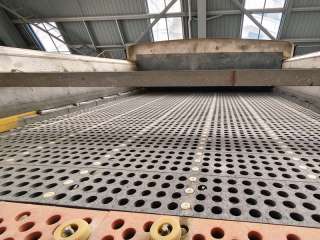 Rubber Screens">
Carbon steel reinforced Rubber Screen meshes have become the go-to upgrade for high-wear Screening zones in quarries, mines and recycling plants
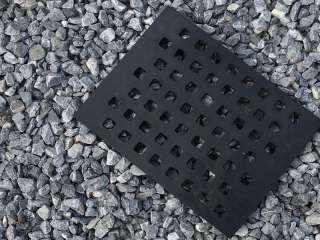 Rubber Screen Mesh in Noise Reduction and Impact Resistance During Coarse Screening">
If your coarse Screening setup is still stuck with noisy, easily broken metal mesh that’s eating into your shift time and wearing your team down, testing Rubber Screen mesh on your highest-wear feed zone is a low-risk, high-reward move
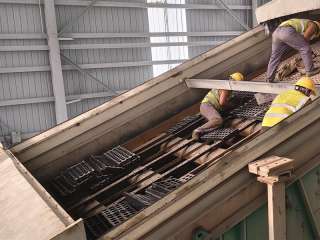 Rubber Panels: Taking the Hit in Iron Ore Screening">
In the punishing world of iron ore Screening, heavy-duty Rubber Panels prove their value by absorbing massive impacts, resisting abrasion and corrosion, and lowering noise
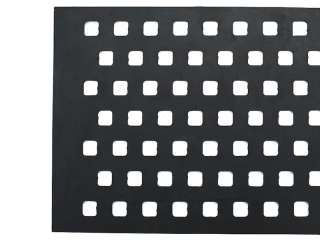 Rubber and Polyurethane Screen">
Choosing between Rubber Screen plates and polyurethane Screen meshes is one of the most frequent dilemmas for aggregate, mining, and recycling operations
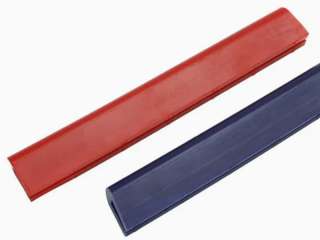
In the material Screening process, the Screen mesh is not the only key component; seemingly inconspicuous parts—such as the gaskets and dust-proof sealing strips on Rubber vibrating Screens—play a vital role
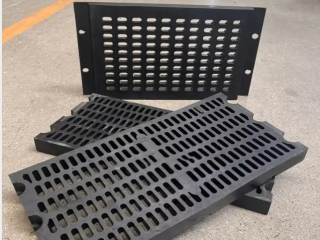 Rubber Composite Screen: A New Composite Material for Heavy-Duty Mining Screening">
steel-Rubber composite Screens have emerged as a new type of composite Screening material, perfectly meeting the high-intensity operation requirements of modern heavy-duty mining Screening projects
 Rubber Screen">
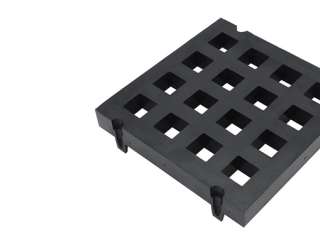
Modular Rubber Screens are bolt-on snap-in modular Screening media designed for heavy-duty vibrating Screen decks
