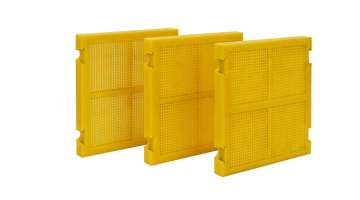
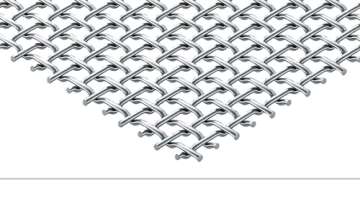
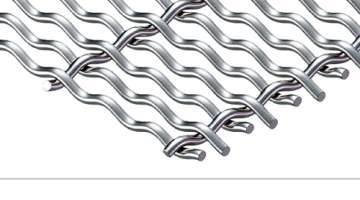
Heavy-duty mining screening is one of the most demanding working environments in the mining industry. Mines often need to process large-particle ore, hard rock, and perform high-load continuous screening. Traditional single-material screens, whether all-steel or pure rubber, have significant shortcomings in practical operation. Steel screens wear out quickly and are prone to deformation and breakage; pure rubber screens have good wear resistance and strong anti-clogging performance, but lack rigidity and cannot withstand the impact of heavy objects. To address this issue, steel-rubber composite screens have emerged as a new type of composite screening material, perfectly meeting the high-intensity operation requirements of modern heavy-duty mining screening projects.
Why Steel-Rubber Composite Screens Meet Higher Requirements
Steel-rubber composite screens are not simply steel strips coated with rubber or thick padding rubber mats. They are a specially designed structure where high-strength steel provides support and rigidity, while specially formulated wear-resistant rubber absorbs impact and resists wear. Steel ensures the panel remains stable under heavy loads, while rubber protects the equipment and the material being screened; the two materials work together for better results.

Reasons for Mine Operator Transformation
Mine operators are transforming their operations primarily for the following reasons: First, composite screens offer 2 to 4 times longer service life compared to all-steel screens. Second, the impact of steel against steel generates intense noise, typically exceeding 110 decibels; the rubber layer dampens vibrations and reduces noise by 10 to 15 decibels, a necessity for mines that must comply with strict environmental regulations. Third, composite screens effectively address the problem of wet and sticky materials present with ordinary screens.
Cost Considerations
The initial purchase price is typically higher than that of ordinary steel. However, experienced buyers focus more on the total lifecycle cost than the list price. The fewer replacements, reduced labor hours, less frame damage, and more stable production characteristics of steel-rubber composite screens make composite material screening equipment more economically efficient overall.
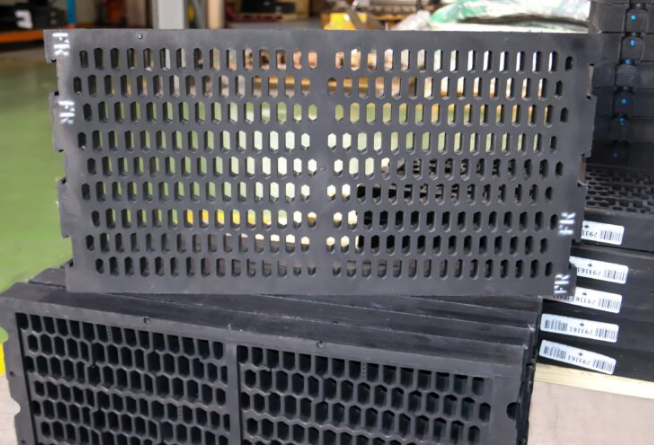
Significant Advantages in Practical Applications
Replacing the screen with a steel-rubber composite screen results in three main improvements: First, longer service life. By combining shock absorption with structural strength, the composite screen typically lasts longer in high-wear areas than traditional options. Second, less downtime. Fewer panel replacements mean less disruption. Third, a more comfortable working environment. Reduced noise and vibration make the screening area safer and more comfortable.
The steel-rubber composite screen represents a significant advancement in screening technology and is undoubtedly an excellent choice for the mining industry, which prioritizes reliability and total cost control.