Advantages of Rubber Screen Mesh in Noise Reduction and Impact Resistance During Coarse Screening
If you’ve ever stood next to a coarse screening deck mid-shift, you know how loud and unforgiving the work can be. Large rocks, heavy ore, and sharp aggregate slamming into metal screen mesh don’t just wear parts out fast,they create deafening noise that wears on your team day after day. That’s exactly why more quarry, mining, and recycling crews are swapping old steel panels for rubber screen mesh, and seeing immediate wins in both noise reduction and impact resistance that make their whole operation run smoother.
Noise Reduction That Makes a Real Difference On-Site
Unlike rigid metal screens that ring out with every heavy impact, rubber screen mesh absorbs vibration at the source, cutting coarse screening noise by 10–20 dB right off the bat. That’s not a tiny technical tweak — it’s the difference between needing double ear protection to hold a conversation 10 feet from the deck, and being able to call out instructions to a crew member without yelling over the racket. Less harsh vibration also travels less through the screen frame, which means less rattling on nearby equipment and fewer small parts shaking loose mid-shift. For teams working 10+ hour days, that quieter environment doesn’t just check a workplace safety box — it cuts fatigue and keeps everyone more focused through the whole shift.
Impact Resistance That Stops Frequent Unplanned Stops
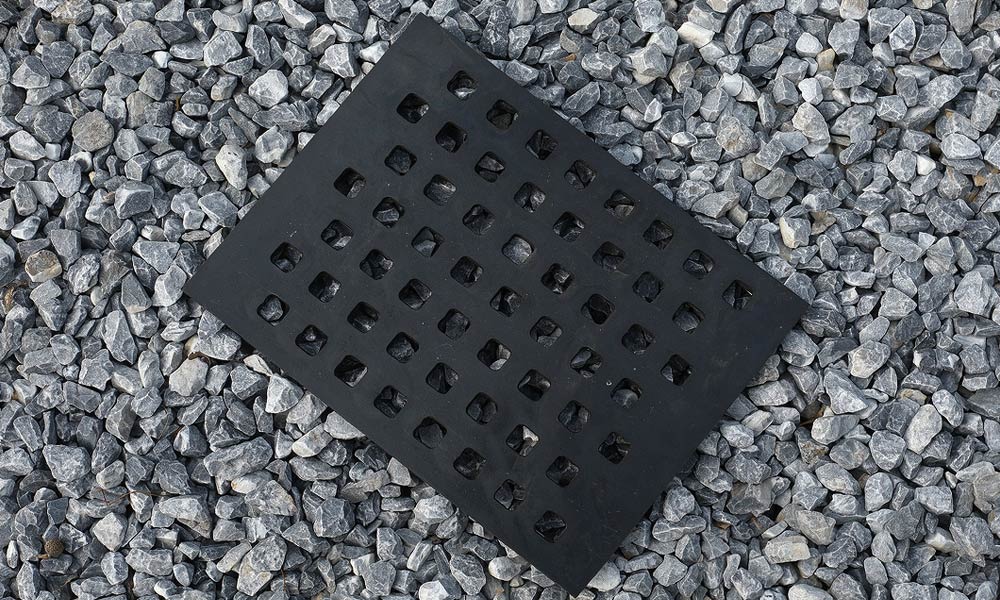
Coarse screening throws the heaviest, sharpest material your plant processes straight at the screen surface, and rubber screen mesh handles that abuse way better than steel. Its flexible, high-tensile rubber layer cushions every blow from falling boulders and jagged ore, so it never dents, cracks, or snaps the way wire mesh does when hit with unexpected heavy loads. Many operators find their rubber panels last 4–8 times longer than their old metal equivalents, even in the harshest feed zones. That means you’re not pulling crew away from other jobs every few days to patch or replace torn screens, and you keep your material flow consistent without random downtime killing your shift output.
Small Extra Perks That Add Up Over Time
These two core advantages also come with quiet side benefits you’ll notice fast. Lighter rubber panels are way easier for your team to lift and swap out than heavy steel plates, cutting screen changeout time in half. The rubber surface also resists clogging from sticky wet material far better than rigid metal, so you spend less time poking jammed holes mid-run. For sites dealing with acidic slurry or corrosive aggregate, it also holds up far longer than rust-prone metal, no extra coating or treatment needed.
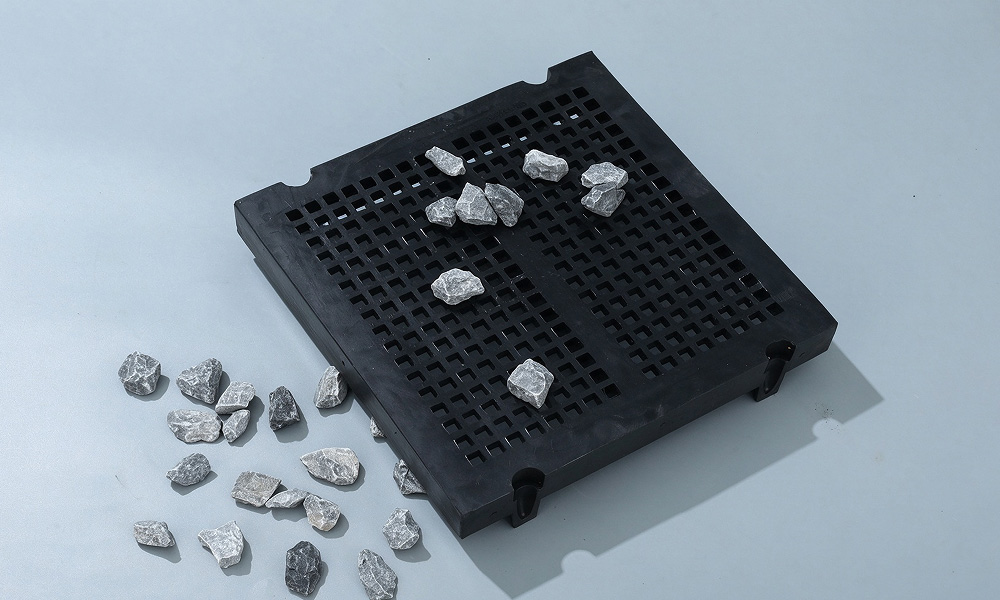
If your coarse screening setup is still stuck with noisy, easily broken metal mesh that’s eating into your shift time and wearing your team down, testing rubber screen mesh on your highest-wear feed zone is a low-risk, high-reward move. The jump in noise reduction and impact resistance doesn’t just make the job easier,it cuts your long-term operating costs and keeps your site running consistently shift after shift.