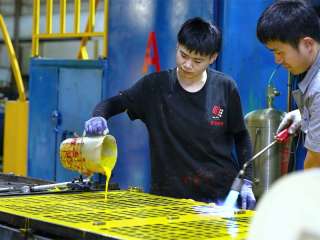
 Polyurethane Screen Panels: Combining Lightweight Design with High-Strength Performance">
The Steel-Reinforced Polyurethane Screen delivers a perfectly balanced solution that eliminates most of these long-standing on-site pain points
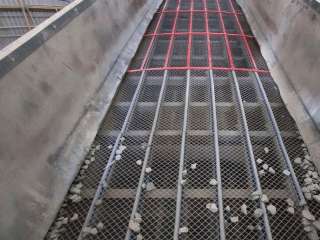
High-performance self-cleaning screens can still struggle with persistent blinding when feed moisture rises above 8% or carries fine clay impurities
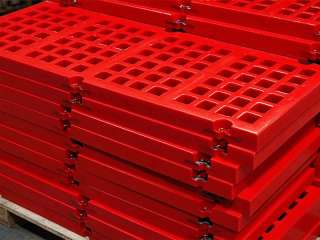 Polyurethane Screen Panels and Safe Operation">
For operations processing wet, sticky, or fine materials, screen blinding is a major efficiency killer Beyond choosing the right aperture, the surface design of Polyurethane screen Panels is critical
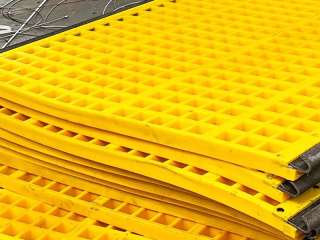 Polyurethane Screen Panels for Zinc Ore Processing">
Processing zinc ore presents a unique set of challenges for screening equipment This is where specially formulated Polyurethane screen Panels offer a targeted anti-adhesion and wear-resistant solution
For screen manufacturers, transforming spare parts inventory management into a strategic service is key to customer loyalty This requires a proactive shift from stocking parts to predicting demand
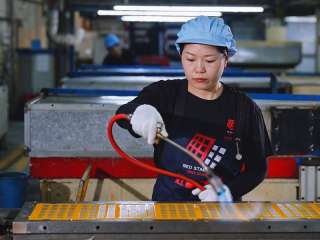 Polyurethane Screens In Preventing Clogging for Screening Sticky Materials">
Processing sticky, high-moisture materials like clay-rich spodumene is a constant fight against screen blinding The structural design of Polyurethane screens tackles this problem at its source
 Polyurethane Fine Screens in Lithium Ore Beneficiation">
With global demand for battery-grade lithium constantly outpacing supply, spodumene plants are getting creative and relentless about squeezing more efficiency out of every part of their process Shifting to fine Polyurethane screens is necessary
 Polyurethane Screen Panels">
As industries prioritize sustainability, managing waste Polyurethane screen Panels has become a key challenge Their robust design complicates disposal, making simple landfilling wasteful and increasingly costly
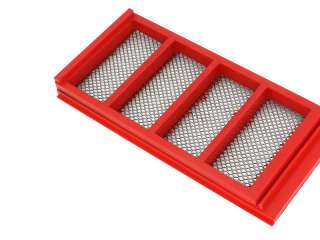
Standard screens really don’t stand a chance here That’s where self-cleaning screens come in They’re built for these exact conditions, using clever design and smart materials to keep things moving, even when the going gets gummy
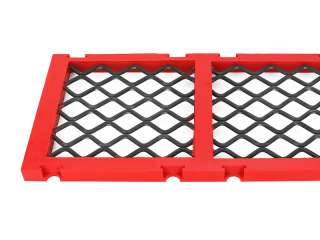
The deployment of self-cleaning screens specifically engineered for this duty offers a powerful countermeasure Their design directly targets the root causes of material caking
