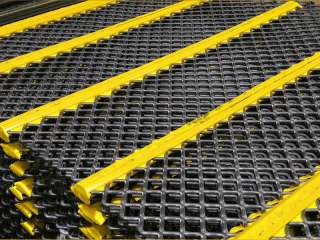
If you re running heavy-duty screening in mining or quarrying, you already know that standard mesh dies fast A high-carbon steel self-cleaning screen changes the game ,but only if you understand what s happening inside the material
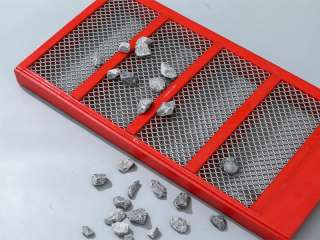
Insufficient tension on a self-cleaning screen does not just slow you down It quietly destroys your equipment and wrecks your output Here s what actually happens, and how to fix it with proper secondary tensioning

Clogging which is a kind of material wedging into the mesh is the number one silent killer of vibrating screen productivity The fix isn t more maintenance It s swapping to a self-cleaning screen
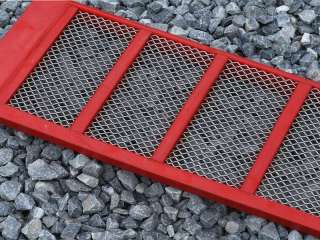
Crimped self-cleaning screens might look tough when they are new, but they often wear out faster than people expect If you want to reduce maintenance time and save money, you need to understand why these screens fail and how to keep them running longer
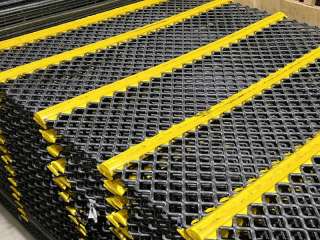
When you re evaluating high-quality self-cleaning screen manufacturers, it s not about the spec sheet ,it s about what happens on the production floor Here are the core processes that separate the reliable ones from the rest
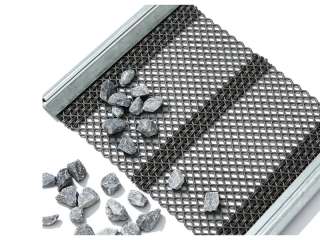
A Self-Cleaning Vibrating Mesh flips that script: instead of a fixed aperture waiting to clog, the surface keeps moving, flexing, and breathing so the stickiness never gets the quiet half-second it needs to set
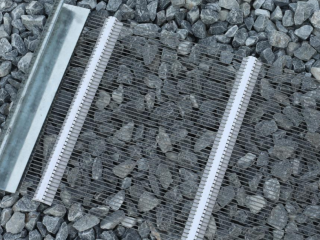
A Harp Wire Screen solves this differently: instead of a locked grid, it uses long parallel wires held apart by widely spaced cross bonds
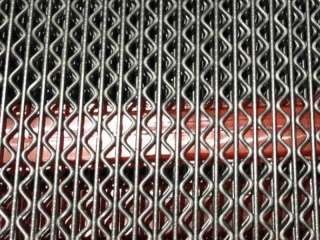
They start with the hole refusing to stay open, and that is exactly where a Triangle Self Cleaning Screen stops being a niche product and becomes the only sane option
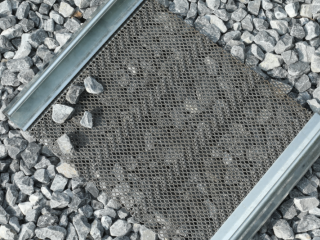
Anyone who has ever screened fine particles knows that these materials often clog the screen,leading to a decrease in throughput The D-type diamond self-cleaning screen is designed to solve these problems
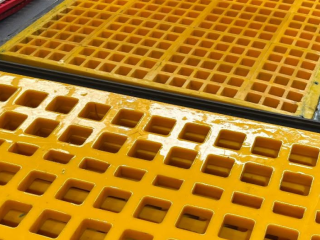
Simple daily maintenance and inspection habits add zero cost and can double your screen s service life Here s what actually works on real plants, not what the manual says
