Most operators check their self-cleaning screen for wear or blockage ,but
almost nobody checks the tension until something goes wrong. That's a mistake.
Insufficient tension on a self-cleaning screen doesn't just slow you down. It
quietly destroys your equipment and wrecks your output. Here's what actually
happens, and how to fix it with proper secondary tensioning.
What Will Happen When Tension Drops Below Safe Levels
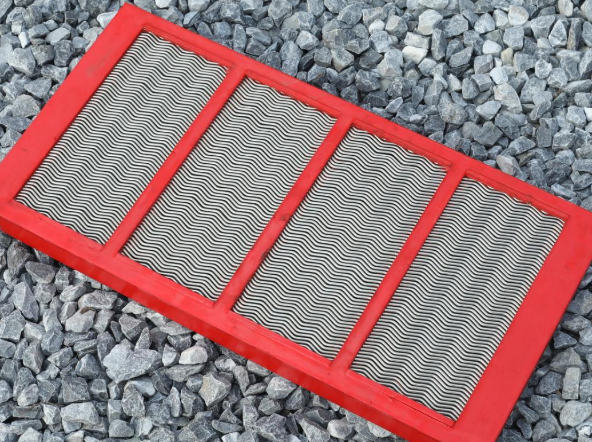
When a self-cleaning screen loses tension, the mesh stops sitting flat
against the frame. Material slides instead of jumping,the whole self-cleaning
action fails. You get buildup, blinding, and uneven wear across the panel.
Worse, the screen starts flapping under vibration, which accelerates fatigue
cracking at the edges. Within weeks, you're replacing what should have lasted
months.
Why Secondary Tensioning Gets Done Wrong So Often
Operators usually just crank the bolts tighter. That's not secondary
tensioning ,that's guessing. Over-tightening warps the frame and kills the
self-cleaning bounce. Under-tightening leaves the same problems. The right
method uses a calibrated tension gauge and follows the manufacturer's spec,
usually 30–40 N/mm for polyurethane-reinforced panels. You check at three points
across the width, not just the center.
The Step-by-Step Re-Tension Process That Actually Works
Shut the screen down. Loosen all bolts evenly ,don't release them one by one.
Insert a tension indicator at the midpoint of each panel edge. Tighten in a star
pattern, quarter-turn at a time, checking the gauge after each pass. Once all
points hit spec, do a final pass at full torque. Run the screen empty for 10
minutes, then recheck. Tension will settle — a second pass is normal, not a sign
you did it wrong.
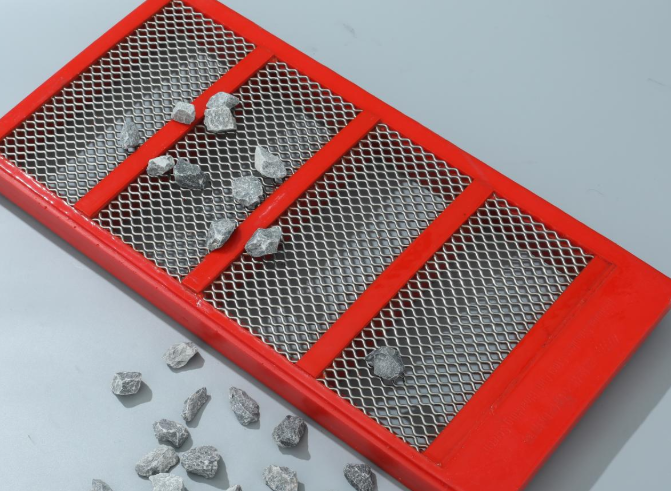
A self-cleaning screen with proper tension runs 40–60% longer. Skip secondary
tensioning, and you're paying for premature replacements, lost throughput and
extra labor every single shift. It takes 20 minutes to do right. It takes days
to recover from getting it wrong.


Leave A Reply
By using form u agree with the message sorage, you can contact us directly now