If you frequently encounter problems such as material clumping, screen
blockage, and forced machine shutdowns when screening wet and sticky materials,
affecting work efficiency, then self-cleaning vibrating screens are the perfect
solution. They are not only more aesthetically pleasing but also offer a
completely new way to handle wet and sticky materials, where traditional
vibrating screens are far less efficient.
Disadvantages of Ordinary Screens When Screening Wet and Sticky Materials
Standard vibrating screens can operate normally in humid environments, but
problems arise when exposed to moisture. Wet sand sticks to the screen surface,
causing clay to turn into a paste that clogs the screen holes and adheres firmly
to the screen surface. Operators must frequently stop to scrub or spray the
screen surface. Self-cleaning vibrating screens are designed to solve this core
pain point.
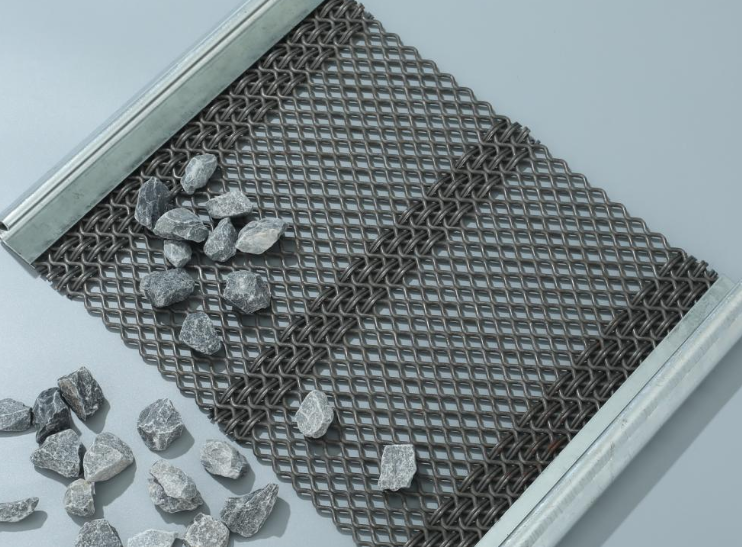
Working Principle of Self-Cleaning Vibrating Screens
The principle is simple and ingenious. Self-cleaning vibrating screens do not
rely solely on gravity; instead, they combine high-frequency vibration with
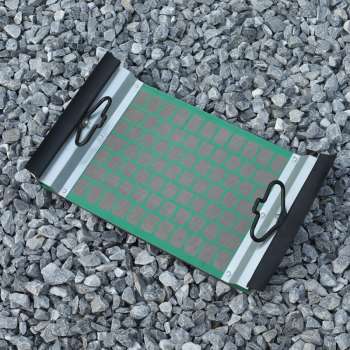
special cleaning mechanisms, such as rubber ball screen surfaces, ultrasonic
panels, or airflow systems, to continuously remove material from the screen
surface. Vibration keeps particles in motion, while the cleaning device breaks
up the adhesion between wet material and the screen. Ultimately, moist, sticky
material passes through cleanly and efficiently without clogging the screen,
easily solving the problem of screen blockage caused by wet, sticky
materials.
Why Are Many People Now Adopting Self-Cleaning Vibrating Screens
Practical data speaks for itself. Factories using self-cleaning vibrating
screens for wet material screening report downtime reductions of up to 40% and
significantly extended screen life. Maintenance personnel spend less time
cleaning the screen surface, allowing them to focus more on production. For
industries such as mining, recycling, and construction, screening wet materials
is a routine operation, making the switch to self-cleaning screens
essential.
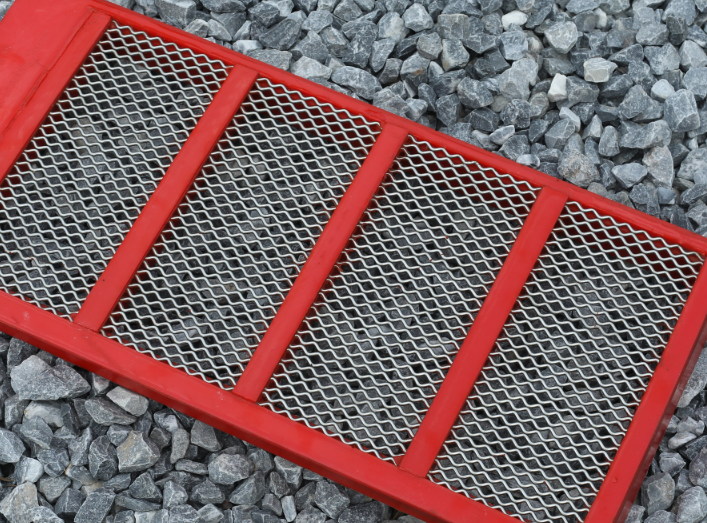
If your production process still relies on manual cleaning, or if every time
the material gets damp, it's time to seriously consider using a self-cleaning
vibrating screen. They not only solve the problem of material getting damp
during screening but also completely eliminate it.


Leave A Reply
By using form u agree with the message sorage, you can contact us directly now