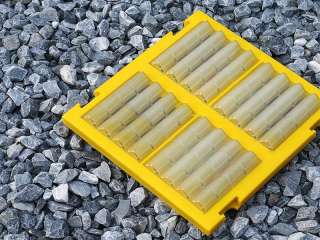
Today, the industry is moving toward tailings dry stacking, and at the heart of this revolution is a powerful duo: the high-frequency polyurethane fine screen and its star player of dewatering panel
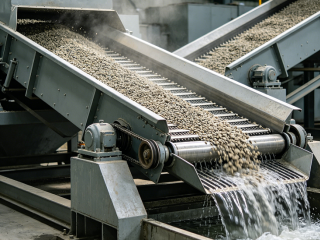
Standard vibrating screens often struggle with classification and dewatering recovery tasks,The linear excitation force design of linear vibrating screens breaks this efficiency bottleneck
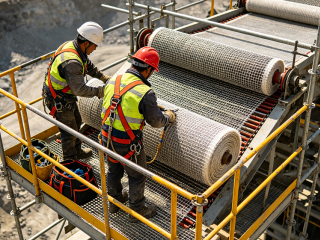
Work at heights is a routine part of installing, replacing, and maintaining mining screens In such an environment, safety is paramount, a standardized set of operating procedures is essential to completely eliminate risks
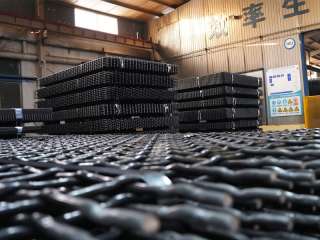
Scientifically assessing, monitoring, and predicting the wear cycles and service life of mining screens allows for optimal replacement timing, maximizing cost-effectiveness
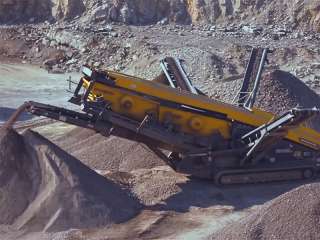
In the highly abrasive environment of iron ore processing, almost all mining operations have faced pitfalls regarding screen selection Choosing the wrong screen material increases direct expenses but also adds significant time costs
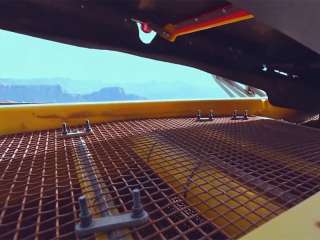
In copper mining, Selecting the right screening equipment and heavy-duty screen media is crucial screening isn’t a one-size-fits-all task
Do you frequently encounter issues with screen blinding and particle wedging during material screening? In fact, there is a significant difference between the two What are the causes of these problems, and how can they be resolved?
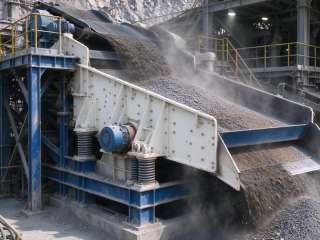
A Vibrating Screen Equipment is not magic: it is a tuned system where the particle has to stratify, present itself to the aperture, and pass or reject without the deck getting in its own way
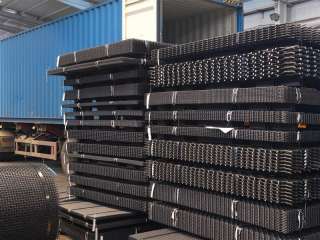
In mining and quarrying, the true cost of a Woven Wire Mesh panel is not the invoice—it is screened tonnes per millimeter of crown loss, changeout labor, crusher overload, and product that missed spec
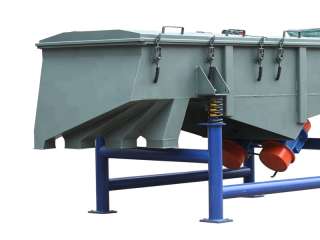
During the screening process, sticky clay, small particles stuck in the pores, and moisture all stick together, leading to screen clogging This is why self-cleaning independent vibration technology has gradually gained attention
