Woven Wire Mesh: Stop Buying by Square Metre, Start Buying by Screened Tonnage
Most plants think they are buying mesh when they are really buying downtime, scrap tonnage, and maintenance hours disguised as a square-metre price. The cheap roll of woven wire looks like a win on the purchase order, then blinds early, stretches its apertures, tears at the hook, and forces a crew onto the deck during the one shift the shipment was due. In mining and quarrying, the true cost of a Woven Wire Mesh panel is not the invoice—it is screened tonnes per millimetre of crown loss, changeout labour, crusher overload, and product that missed spec. Cutting cost means stopping the race to the lowest bid and starting to manage the screen as a wear component with a measurable lifetime, because the panel that lasts twice as long and holds its cut point usually pays for itself three times over before the cheap one has even been restringed once.
Specify by Duty, Not by Mesh Count
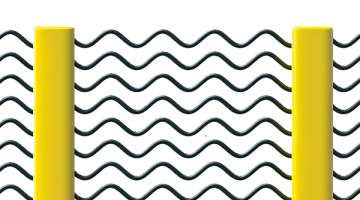
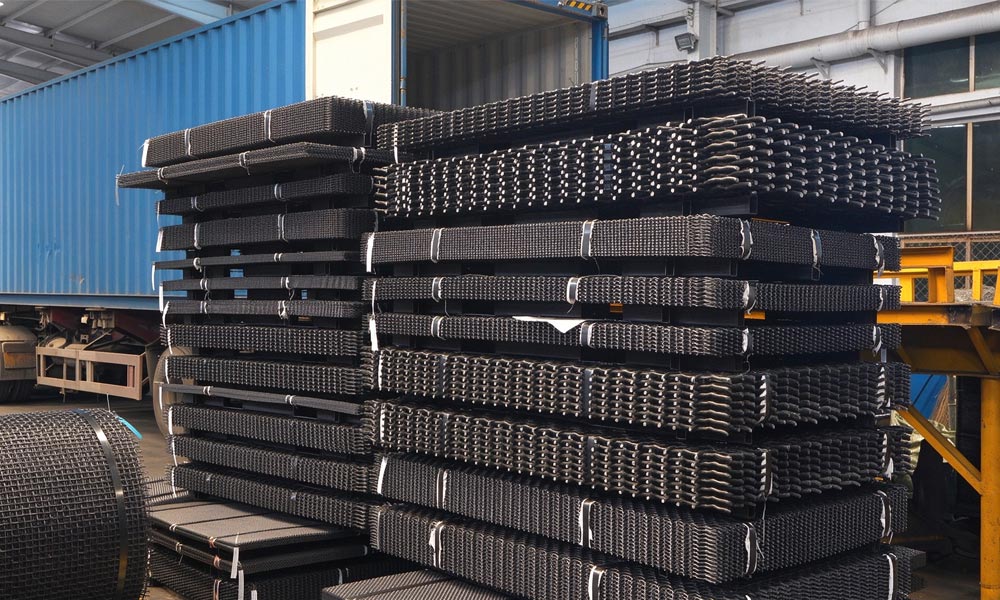
The first saving is intellectual: stop ordering "20 mm mesh" and start specifying the duty. A Woven Wire Mesh on an iron ore scalp deck, a granite secondary deck, and a washed sand classify deck are three different animals, and treating them the same is how plants overpay on one deck and under-spec another. Alloy, wire diameter, crimp style, aperture tolerance, and hook profile should follow top size, abrasion index, moisture, near-size fraction, and G-force—not a catalogue page. A pre-crimped lock-crimp 65Mn panel costs more than plain weave but resists aperture creep, protects the cut point, and avoids the hidden tax of oversize reaching the crusher. When the spec matches the ore, the Woven Wire Mesh stops being a consumable you hope at and becomes a component you can forecast, and forecasting is where quarry accountants quietly fall in love with the screen room.
Zone the Deck Instead of One Media Everywhere
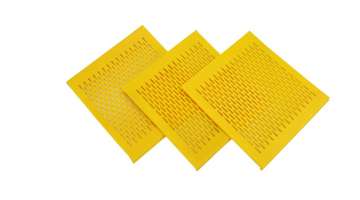
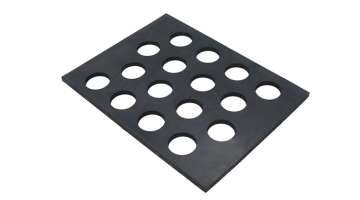
The second saving is geometric. Feed-end panels take the lump impact and die first; the discharge zone mostly rides on already-sized material and could run for months. Plants that fit one Woven Wire Mesh across the whole deck replace the calm half for free every time the hot half fails. Zoning changes the maths: manganese or punch plate on the impact lip, heavy lock-crimp woven wire in the abrasive mid-section, lighter finer mesh toward discharge, and polyurethane or self-cleaning media where clay wants to blind the holes. The Woven Wire Mesh then only occupies the zone where steel actually beats elastomer, so the plant buys less expensive steel, changes fewer panels, and stops paying crew time to unbolt a deck that was still screening fine on the right-hand side. A zoned deck is uglier in the stores photo and far prettier on the cost-per-tonne report.
Tension, Support Bars, and the Deaths Nobody Photographs
The third saving hides in installation. A Woven Wire Mesh fitted too loose bellies between supports, scrubs the crown against the bar, and snaps above the beam where the camera never points. Too tight and the hook strips, the selvage unravels, and the whole panel retires early with plenty of crown left in the middle. Cushioned support bars, correct hook profile, even torque across clamp rails, and a commissioning aperture check at five points turn a mediocre panel into a long-lived one. Plants that train the crew to string mesh like a guitar instead of yanking it tight with a pry bar often add 20–40% life to the same Woven Wire Mesh sku, with zero extra material cost. The cheapest tonne of screen life in the industry is the one already sitting in the roll room, installed by someone who knew the bar pitch.
Track Wear and Buy on Tonnes, Not Square Metres
The fourth saving is administrative but brutal. Every panel position should log tonnes screened, crown loss, aperture drift, blinded area, and changeout minutes. A Woven Wire Mesh that costs 30% more but screens 60% more tonnes is the discount, not the cheaper roll that blinds at lunch. Supplier scorecards, lot-level aperture maps, ISO 9044 thinking on blemish limits, and a retirement rule based on measured drift turn purchasing from a guessing contest into a procurement system. Quarries that do this stop re-ordering "what we always buy" and start negotiating on cost per screened tonne, rejection rates, and lead time during the rainy clay season. The Woven Wire Mesh becomes a tracked asset with a curve, and the finance team finally understands why the screen room is not the place to save fifty bucks a square metre.
If your screen room keeps restringing panels, your oversize keeps reaching the crusher, and your "cheap mesh" somehow costs more than last year's premium order, the saving was never in the unit price. Send us the ore or aggregate type, Abrasion Index, PSD, moisture and clay load, deck positions, stroke and G-force, hook profile, support-bar pitch, current panel photos, and the cut-point tolerance your crusher and mill actually enforce, and we can build a Woven Wire Mesh cost-reduction program instead of another roll order: duty-matched alloy and crimp, zoned deck layout, cushioned support bars, correct tension procedure, PU or self-cleaning media where stickiness rules, and a wear log that retires panels by crown loss and aperture drift. Do that, and the quarry stops buying mesh by the square metre and starts buying screened tonnes by the hour—the deck lasts longer, the crusher liners thank you, the product holds spec through the clay season, and the Woven Wire Mesh finally earns its place as the cheapest quality control device in the whole crushing circuit.