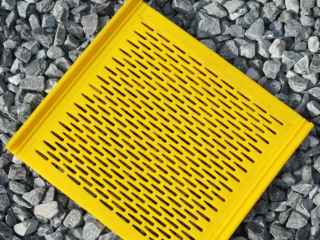
If you’ve ever tried to screen wet, sticky fines at high tonnage, you know the pain of blinding screens and soggy product That’s where polyurethane flip-flow screen panels come in—but not all panels are created equal
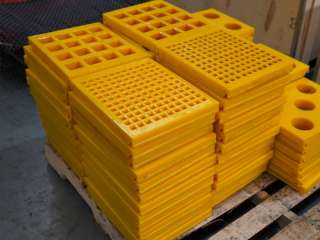
Upgrading to polyurethane screens for fine mineral grading is a strategic move It solves the blinding issues associated with fine materials, guarantees precise classification, and ultimately boosts the efficiency of your operation
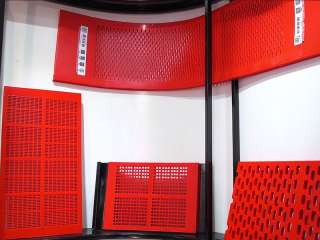
It blunts easily, stretches, and loses its accuracy This is where the polyurethane fine screen steps in It’s not just a replacement
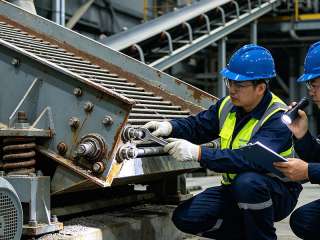
consistent daily inspections of the vibrating grizzly screen are essential By simply monitoring the tightness of fasteners and the condition of the screen bars, you can nip minor issues in the bud before they escalate
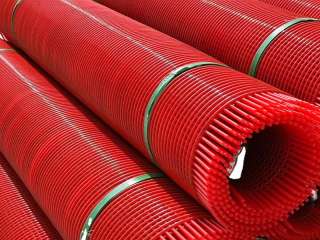
Enter the polyurethane-coated bar screen This isn t just another screen; it s a smart hybrid that uses polymer science to solve the age-old problems of blinding and noise, making your operation both quieter and more efficient
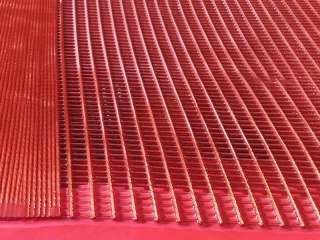
Installing a vibrating grizzly screen for pre-screening prior to the jaw crusher offers a cost-effective solution to clogging and wasting problem, boosting both overall production efficiency and capacity
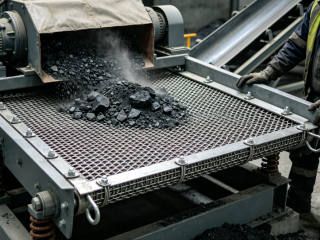
Choosing a lock-crimp woven wire screen is a strategic decision for any operation that values precision By mechanically locking the wires in place, this design prevents the dreaded wire shift that plagues standard meshes
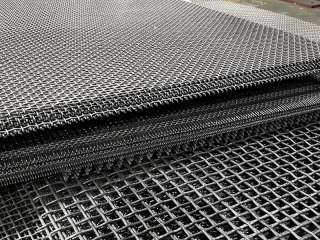
The advent of lock-crimp woven wire screens has resolved the issue of aperture deformation, thereby enhancing overall screening efficiency
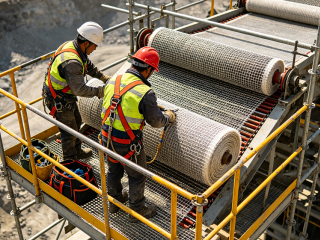
Work at heights is a routine part of installing, replacing, and maintaining mining screens In such an environment, safety is paramount, a standardized set of operating procedures is essential to completely eliminate risks
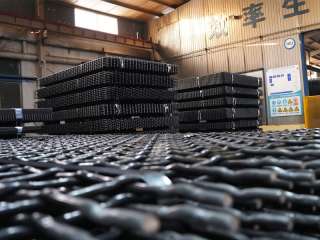
Scientifically assessing, monitoring, and predicting the wear cycles and service life of mining screens allows for optimal replacement timing, maximizing cost-effectiveness
