The Role of Vibrating Grizzly Screens in Pre-screening Before Jaw Crushing
If unscreened mixed material—containing significant amounts of fines and soil—is fed directly into a jaw crusher, the crusher's processing capacity is wasted on material that does not require crushing. Furthermore, fines can coat the jaw plates and clog the discharge opening, potentially causing the entire production line's output to fall below 70% of expected levels. Installing a vibrating grizzly screen for pre-screening prior to the jaw crusher offers a cost-effective solution to this problem, boosting both overall production efficiency and capacity.
Vibrating Grizzly Screens Remove Fines Early to Boost Overall Capacity
Thanks to their wide-gap grizzly bar design, these screens remove fines and soil smaller than the crusher's discharge setting before the material enters the jaw crusher, preventing non-crushable material from occupying valuable processing space. Field measurements show that installing a vibrating grizzly screen for pre-screening increases the jaw crusher's effective processing space by 30% and boosts the entire production line's capacity by over 25%.
Separating Sticky Debris to Prevent Clogging and Downtime
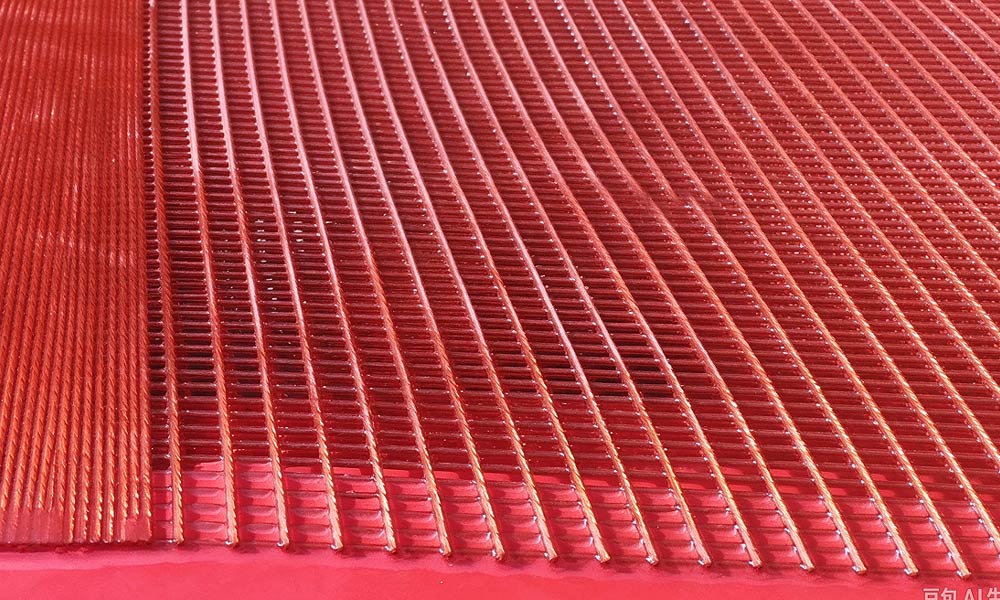
When handling mixed materials containing clay and construction waste, the self-cleaning design of the grizzly bars resists clogging from sticky materials and separates out soft debris that might otherwise wedge into the gaps between jaw plates. Real-world data from a quarry indicates that during rainy seasons—when clay content is high—the jaw crusher previously required clearing of clogs two to three times a day. After installing a pre-screening vibrating grizzly screen, unplanned downtime due to clogging was reduced nearly threefold over the year, significantly lowering labor and time costs.
Cushioning Large-Block Impacts to Extend Jaw Plate Service Life
The high-frequency vibration of the vibrating grizzly screen allows material to loosen and stratify before reaching the jaw crusher's feed inlet. Large ore blocks are distributed evenly across the material layer, preventing individual oversized rocks from violently striking the jaw plates. Furthermore, the pre-screening action extends the average wear life of the jaw plates and reduces the frequency of replacements, leading to a significant reduction in overall operation and maintenance costs.
Fine Material Removal Cuts Jaw Crusher Load and Energy Consumption
The first core functional value of this pre-screening setup is its ability to immediately separate all undersize fine particles that are already smaller than the jaw crusher’s closed side setting from the incoming raw ore stream, eliminating the need for these particles to take up valuable crushing chamber space and pass through the jaws unnecessarily. Traditional quarry operations that skip this pre-screening step often see 20% to 30% of their total feed volume made up of fine material that does not need any crushing at all, which clogs up the narrow gap between the jaw liners, reduces the effective bite force on large incoming boulders, and forces the crusher to run at far higher motor current levels than its design specification. A properly calibrated Grizzy Screen with bar gaps set slightly larger than the jaw crusher’s closed side setting can sift out 85% to 95% of these fine particles before they ever enter the crushing chamber, directly boosting the jaw crusher’s effective processing capacity by 15% to 25% and cutting total primary crushing energy consumption by a corresponding margin, while also drastically reducing unnecessary over-grinding that creates unwanted excess fines in the final crushed product.
Anti-Clogging Bar Design Eliminates Sticky Material Blockage Risks
The second key operational advantage that solves the most persistent pre-crushing pain point is the unique cantilevered staggered bar layout, where each individual bar tip is free to vibrate independently of the main screen frame, creating a secondary micro-resonance effect that automatically shakes off sticky wet clay and near-size particles that would otherwise wedge tight in the gaps between bars. Unlike old fixed static grizzlies that have no moving parts and can only achieve 50% to 60% screening efficiency at best, this dynamic vibrating design keeps more than 90% of the total gap area open even when processing 12%+ moisture high-clay raw ore after a heavy rainstorm, completely eliminating the common scenario where sticky material clogs the entire screen surface and forces you to shut down production for hours while workers pry stuck material loose with crowbars. This reliable self-cleaning performance means your Grizzy Screen can maintain consistent high throughput even in the wettest, stickiest quarry operating conditions, ensuring a steady, evenly distributed flow of clean oversized rock feeds into the jaw crusher without any unexpected surges or blockages that would trigger overload protection trips.
Modular Wear Structure Extends Overall Primary Circuit Service Life
The third critical long-term benefit that most quarry teams overlook is the modular, easy-to-replace wear structure of the screen deck, which lets you swap out individual heavily worn bars in minutes without needing to replace the entire screen assembly, drastically cutting maintenance labor and downtime. The bars themselves are made from high-tensile 65Mn spring steel that has gone through specialized quenching heat treatment, with surface hardness reaching HRC55 or higher, making them 3 to 5 times more abrasion resistant than ordinary mild steel bars, even under the constant high-impact scouring of 1-ton+ sharp granite boulders.
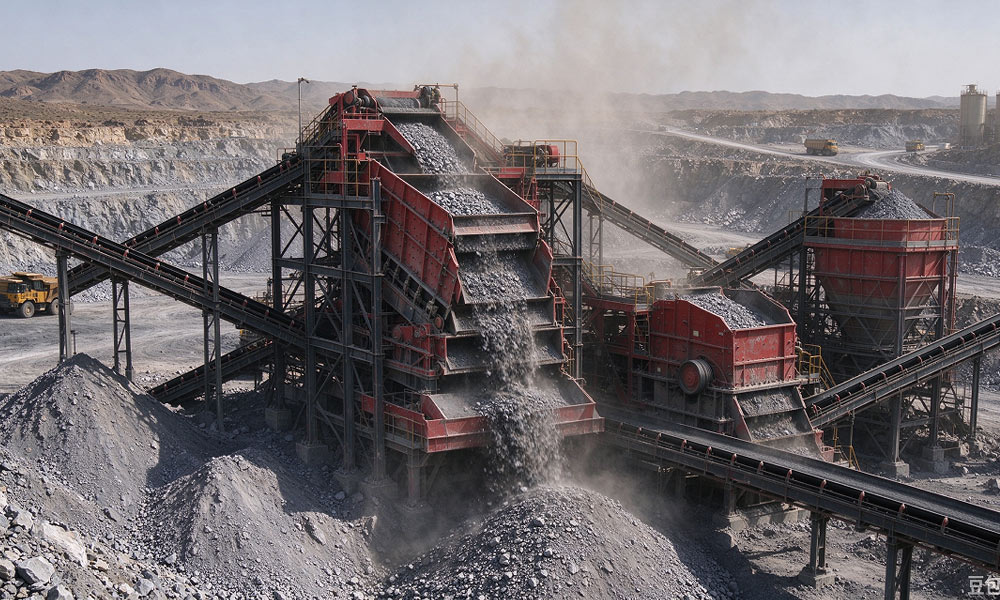
By performing pre-screening prior to feeding the jaw crusher, the vibrating grizzly screen comprehensively optimizes performance across three key dimensions: production capacity, operational stability, and component service life. It represents a highly cost-effective solution for mines seeking to enhance the efficiency of their crushing lines.