Polyurethane-Coated Bar Screens: Silencing the Noise and Sticky Mess
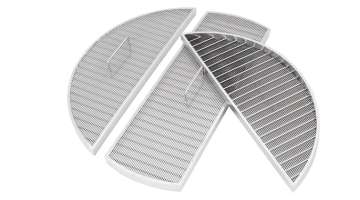
Let’s talk about the two biggest headaches in any quarry: the deafening racket of steel-on-rock and the nightmare of wet, sticky clay clogging up your screens. If you’re processing ore with high moisture content, you know that a blinded screen is a bottleneck that kills your tonnage. Enter the polyurethane-coated bar screen. This isn't just another screen; it's a smart hybrid that uses polymer science to solve the age-old problems of blinding and noise, making your operation both quieter and more efficient.
Beating the Stickiness with Flexural Energy
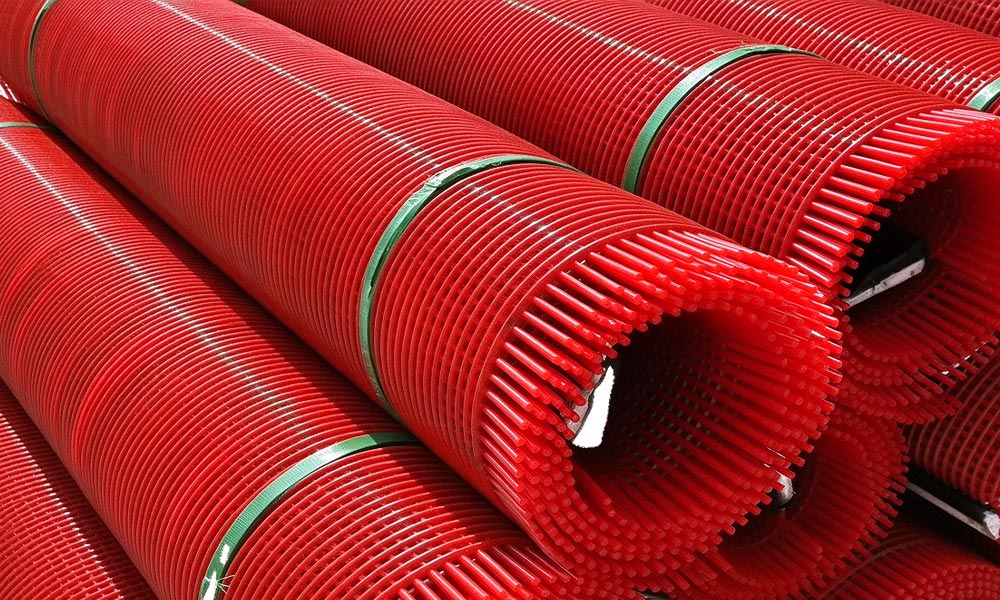
Traditional steel grizzly bars are extremely rigid, making them prone to wet clay adhesion. In contrast, polyurethane offers excellent elasticity. As the screen vibrates, the polyurethane coating flexes and rapidly snaps back. This subtle dynamic movement creates a "self-cleaning" effect, shaking off sticky material before it can build up. This eliminates blinding caused by material adhesion, drastically reducing the downtime and labor costs associated with cleaning screens.
Turning Down the Volume on the Job Site
Anyone involved in screening sticky, clay-rich ore knows how loud the machinery can be. Polyurethane-coated grizzly bars act as a shock absorber. By encasing the steel core in this highly elastic polymer, a cushioning layer is created that significantly dampens the harsh, high-frequency sounds of metal-on-metal impact. Noise reduction not only ensures compliance with environmental regulations but also creates a safer, more comfortable workplace for your employees.
Polyurethane-Coated Grizzly Bars: A Combination of Strength and Flexibility
You might worry that a soft coating can’t handle heavy impact, but the magic lies in the design. The internal steel bar provides the structural strength to support massive loads, while the outer polyurethane layer handles the finesse work of shedding gunk and absorbing sound. It’s a rugged solution that stands up to abuse while protecting your equipment and your ears.
Damping Material Properties Cut Operating Noise by 10 to 15 Decibels
The first core performance breakthrough comes from the unique viscoelastic properties of the polyurethane coating layer, whose internal molecular structure has a loss factor ranging from 0.3 to 0.6 that converts the high-frequency vibration energy generated by metal-on-metal impact and resonance into tiny amounts of harmless internal heat, rather than letting it radiate out as harsh industrial noise. Traditional all-metal bar screens operating under standard 10 to 50Hz vibration conditions can easily generate 95 to 110 decibels of noise, which far exceeds the 85 decibel OSHA 8-hour exposure limit and forces workers to wear bulky, uncomfortable ear protection that makes on-site communication difficult. The soft, energy-absorbing polyurethane coating wraps every contact point between the metal bar core, the screen support frame, and the incoming material flow, eliminating the sharp, high-pitched clanging that comes from bare metal collisions, and bringing the steady-state operating noise down to a comfortable 80 to 85 decibel range. This dramatic noise reduction not only creates a far more pleasant working environment for on-site crews, but also reduces long-term equipment fatigue by absorbing harmful harmonic vibration that would otherwise propagate through the entire screen frame, making this high-quality PU-Coated Bar Screen extend the overall service life of your vibrating screening equipment by 20% to 30%.
Low-Friction Elastic Surface Eliminates Sticky Material Clogging
The second key operational advantage comes from the ultra-smooth, low-friction polyurethane surface, which has a measured friction coefficient of only 0.2 to 0.4, far lower than the rough, high-friction surface of bare steel bar screens. Unlike rigid metal bar gaps that have sharp, right-angle edges where sticky fine particles can easily get wedged and form strong liquid bridge adhesion from high-moisture slurry, the polyurethane coating can be molded with smooth, rounded transition edges that break the surface tension holding sticky particles to the gap walls. Combined with the subtle micro-bounce self-cleaning effect generated by the elastic coating under continuous high-frequency vibration, any sticky fine clay, wet fine coal, or high-moisture mineral particles that would otherwise stick and build up on the screen surface get shaken loose and pass through the gaps smoothly, rather than accumulating to block the openings. Field test data from multiple coal washing and wet mineral processing plants shows that the clogging rate of this specialized screen is as low as ≤8%, 60% lower than that of traditional all-metal bar screens, which means you no longer need to send workers onto the screen deck with high-pressure water hoses or scrapers every 2 hours to manually clear sticky blockages, drastically cutting unnecessary labor workload and unplanned downtime, making this PU-Coated Bar Screen keep your screening line running at consistently high throughput even when processing the stickiest, highest-moisture raw materials.
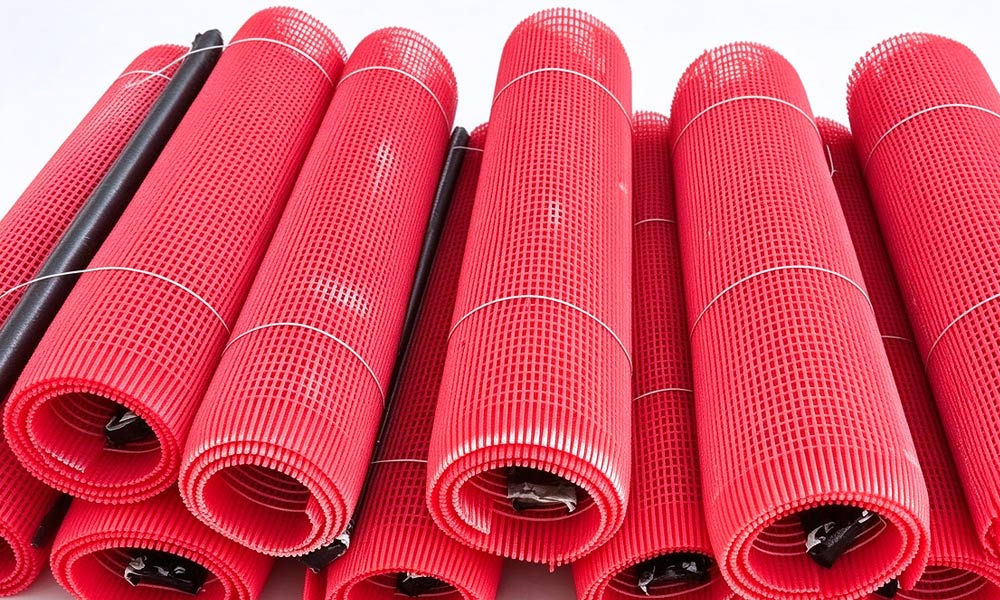
In short, for plants plagued by screen blinding when processing sticky, moist ore, switching to polyurethane-coated rod screens is a wise choice. This move not only resolves the issue of clogged apertures but also reduces noise levels. The savings in labor costs and time resulting from this simple upgrade are sufficient to offset the initial investment.