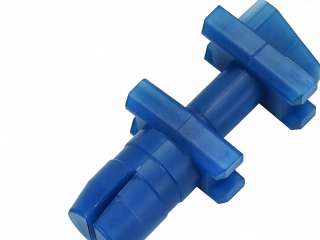
Proper insertion and withdrawal force testing and installation tips for polyurethane pins, These small, actionable adjustments help processing plants extend screen panel service life, and unlock consistent long-term operational efficiency gains
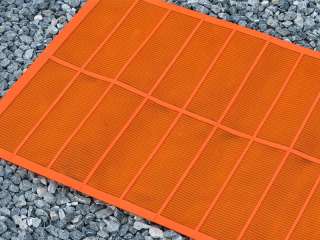
When you analyze the full lifecycle from purchase to disposal, polyurethane fine screens consistently deliver a far superior economic outcome It’s not just about the screen, it’s about what the screen allows your plant to do
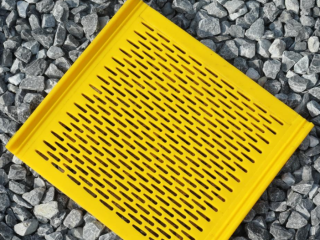
If you’ve ever tried to screen wet, sticky fines at high tonnage, you know the pain of blinding screens and soggy product That’s where polyurethane flip-flow screen panels come in—but not all panels are created equal
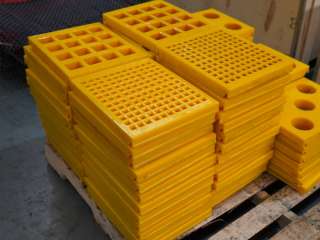
Upgrading to polyurethane screens for fine mineral grading is a strategic move It solves the blinding issues associated with fine materials, guarantees precise classification, and ultimately boosts the efficiency of your operation
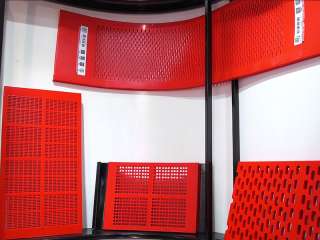
It blunts easily, stretches, and loses its accuracy This is where the polyurethane fine screen steps in It’s not just a replacement
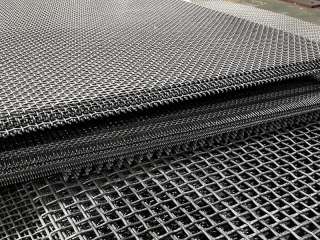
The advent of lock-crimp woven wire screens has resolved the issue of aperture deformation, thereby enhancing overall screening efficiency
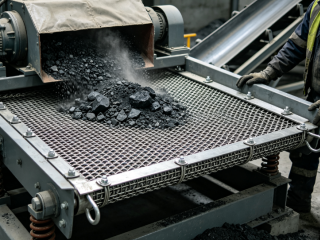
Choosing a lock-crimp woven wire screen is a strategic decision for any operation that values precision By mechanically locking the wires in place, this design prevents the dreaded wire shift that plagues standard meshes
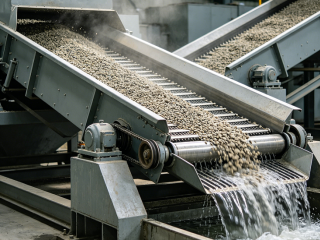
Standard vibrating screens often struggle with classification and dewatering recovery tasks,The linear excitation force design of linear vibrating screens breaks this efficiency bottleneck
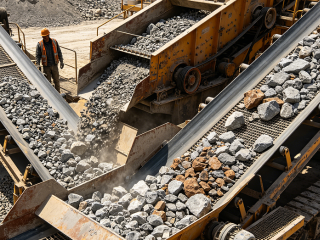
The real issue is that the screens are clogging or simply aren t efficient Refining your screen configuration is frequently the fastest and most affordable way to get more out of the plant
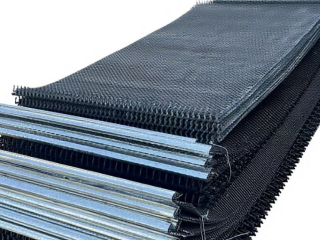
Why do vibrating wire woven screens frequently sustain damage during the screening process? Here are the main reasons
