Coal Screen Mesh: Key Manufacturing Details for Heavy-Duty Coal Washing
If you’ve ever found yourself in a coal prep plant at two in the morning, watching your crew scramble to replace a shredded screen panel that tore apart mid-shift, you know just how much a flimsy, low-quality mesh can wreck your whole week’s production schedule. Honestly, I’ve sat in more than a few tense post-failure debrief meetings after these incidents, and it’s almost always the exact same story: some off-brand screen that was advertised to last six full weeks breaks down completely in ten days, and the plant loses four hours or more to unplanned downtime while the whole fine sizing circuit sits idle. It’s not just frustrating—it’s thousands of dollars in lost throughput, wasted labor and missed delivery targets that no one wants to explain to the plant manager. So, what actually makes a truly tough, reliable coal screen mesh that can stand up to all day heavy operation? After working side by side with operations and maintenance teams across hundreds of real panel changeouts, both at underground mine surface plants and large central commercial coal washing facilities, I’ve narrowed the difference between a disposable cheap panel and a long-lasting workhorse down to a few small, easy-to-overlook manufacturing details. Let’s break them down clearly, no empty marketing buzzwords included.
Precision Alloy Wire Formulation Eliminates Easy Surface Scuffing
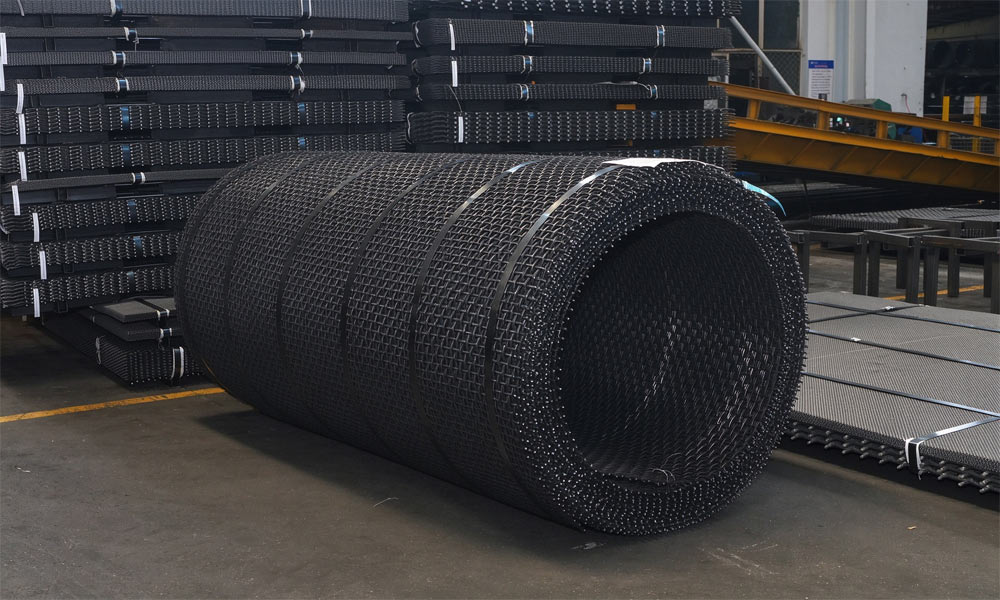
First, the raw wire material itself is the foundation of every durable panel, and generic low-carbon mild steel simply can’t stand up to the nonstop abrasive abuse of raw run-of-mine coal screening. Every time sharp, coarse coal chunks, hard pyrite fragments and abrasive rock particles grind across the mesh surface at 300+ tons per hour, you lose just a tiny bit more surface material, and this constant slow scouring can burn through a full standard panel in under two weeks of continuous heavy operation. The best high-strength coal screen mesh uses a carefully balanced chromium-manganese alloy, heat treated with a precise two-step quenching and tempering process that no budget manufacturer bothers to implement. This creates an ultra-hard, scuff-resistant outer surface and a shock-absorbent tough inner core that shrugs off heavy impact from 100mm+ lumps of raw coal without denting, cracking or wearing thin unevenly. Plants that switched to this kind of alloy mesh reported that their average panel service life shot up from two weeks to as long as seven weeks, even when processing extremely nasty, high-abrasion feed pulled straight off the underground mine face with zero pre-scalping.
Multi-Stage Pre-Tensioning Process Stops Hidden Fatigue Cracks
Next is the little-known multi-stage pre-tensioning step that almost no bargain mesh producers include in their workflow, and it’s one of the biggest reasons for random unexplained mid-shift wire breaks. Most cheap mesh panels get woven, rolled up tight on a spool and shipped straight out the door, trapping all sorts of uneven leftover internal tension in every single wire. The second you install this mesh on your vibrating deck, the constant back and forth flexing makes tiny invisible stress cracks start to form inside the wires, and it’s just a matter of time before a wire snaps completely out of nowhere, whipping around and tearing apart half the panel. Proper high-strength coal screen mesh, on the other hand, spends a full 48 hours stretched to 110% of its rated maximum tension before it’s even cut to size. This process equalizes all internal stress across every wire and weeds out every single hidden weak point that would have failed early. Plants using this pre-tensioned mesh almost never deal with random mid-shift wire breaks anymore—those unexpected unplanned failures just drop off the map completely.
Double Interlock Crimp Pattern Prevents Aperture Distortion
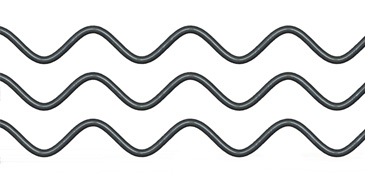
Then there’s the crimp pattern that locks every wire in place, another detail that separates consistent high-performance panels from cheap disposable alternatives. Most low-cost mesh uses a basic single crimp design, and after a few weeks of nonstop heavy vibration, the interlaced wires start sliding and shifting, turning your carefully calibrated 3mm apertures into random warped oversized gaps. Tons of unseparated near-size raw coal slip right through these distorted openings, ruining your finished clean coal gradation and setting you up for expensive rejected loads that you can’t ship to your customers. The best high-strength coal screen mesh uses a full double interlock crimp, bending each wire on both sides of every crossover point to lock every single wire completely immovable, no matter how many hours it runs under full load. Operations that upgraded to this crimp pattern reported that their clean coal product stayed perfectly right within their strict contract gradation specifications, batch after batch, for the full service life of every single panel.
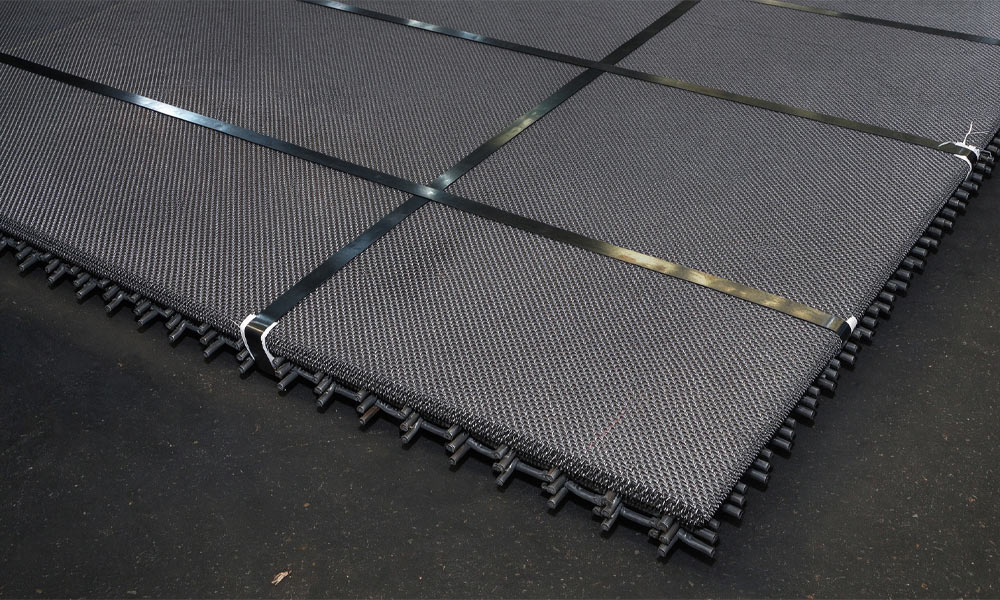
Forged Steel Hook Mounts Eliminate Premature Edge Unraveling
Last is the way the mesh mounts to your deck’s tension rails, the single most common failure point that ruins 70% of otherwise perfectly good panels weeks before their actual end of life. Most low-cost panels just fold the loose cut wire ends over a thin, flimsy strip of sheet steel to form the mounting hooks, and these cheap bent edges can’t hold up to constant tension and vibration. Soon individual wires start to pull loose and unravel from the edge, tearing the whole panel apart long before the main screening surface shows any real signs of wear. High-strength coal screen mesh fixes this universal weak spot completely with one-piece forged steel hook mounts—every single wire end gets locked solid inside a single, solid machined forged steel channel that will never bend or break. That stops edge unraveling in its tracks completely, and lets you get 100% of the rated usable life out of every panel you install.
Focus on these four small, underrated design and manufacturing details and you’ll spend far less on frequent screen replacements, avoid nearly all unplanned mid-shift downtime, and keep your coal screening circuit running full-tilt, month after month. Don’t just chase the lowest price tag on your next screen order—choose the mesh built to take the real beating all day coal processing, and your whole prep plant will run far smoother and more profitably because of it.