Square Woven Screen for Limestone Quarry Screening
If you’ve ever pulled a 10-hour shift at a limestone quarry processing plant, watching your old rubber screen panels clog solid with sticky rain-soaked clay while your haul trucks stack up at the feed hopper waiting for the circuit to catch up, you know exactly how much poor screening performance can derail your whole week’s aggregate and cement feed delivery targets. Many limestone plant foremen I’ve worked alongside over the years shared that they spent years juggling constant blinding, premature wear and inconsistent sizing with every off-the-shelf screen media type, until they switched over to a purpose-built square woven screen for limestone and immediately saw their daily tonnage jump 30% with zero extra equipment upgrades. This no-fluff, field-tested guide skips the generic sales pitches and breaks down exactly how this screen solves the unique, messy pain points that make limestone screening one of the most frustrating workflows in the whole aggregates industry.
No-Clog High Open Area to Beat Wet Clay Blinding
The first game-changing practical advantage that makes a purpose-built square woven screen for limestone perfectly suited for this line of work is its unbeatable high open area design that completely eliminates the sticky clay blinding that plagues almost every other screen media type on the market. Most active limestone quarries run into stretches of wet weather where the run-of-mine rock carries 25% to 40% soft, sticky clay that gets packed into every nook and cranny of perforated plate holes or molded rubber screen openings, blocking 60% of the usable screen surface in just a few hours and forcing you to slow your feed rate down to a crawl to avoid overflow. This woven screen arranges clean, sharp-edged square openings in a tight repeating grid that leaves no hidden tapered gaps for wet clay to wedge itself into, and the constant high-frequency deck vibration shakes loose any semi-stuck mud particles before they can build up into a permanent solid caked layer. Most limestone operations that made this switch reported that their decks stayed at 90%+ effective open area across full 12-hour rainy shifts, with no mid-shift manual scraping required, a massive improvement over the 2 to 3 unscheduled cleaning stops their crews used to have to make every single shift.
Uniform Non-Deforming Apertures for Consistent Aggregate Gradation
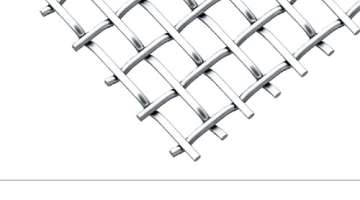
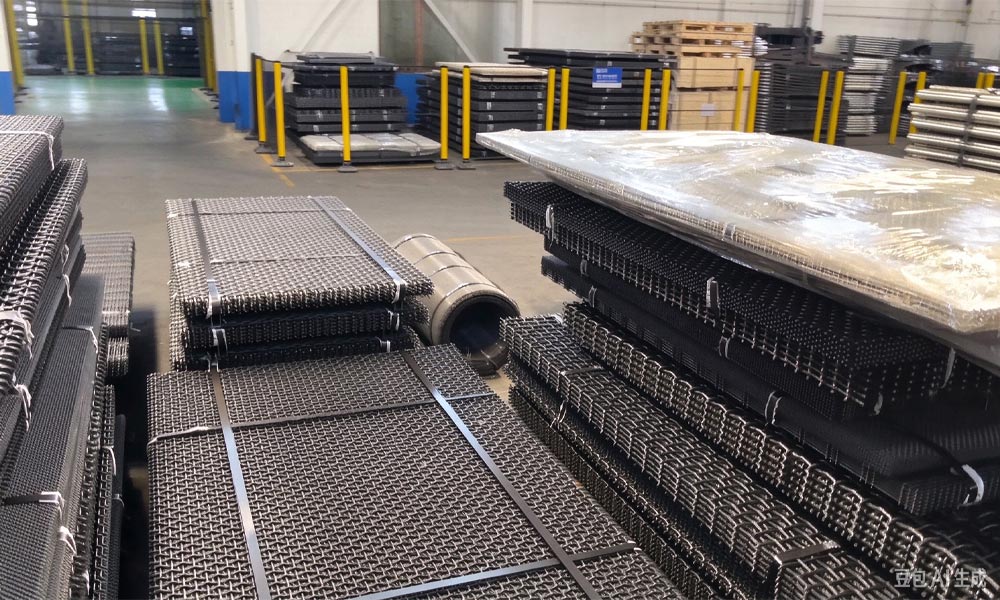
The second critical benefit that protects your bottom line from costly rejected product batches is the perfectly rigid, non-warping aperture geometry of a purpose-built square woven screen for limestone, which delivers the rock-solid consistent sizing you need to meet strict state DOT and cement mill aggregate specifications. Standard rubber and polyurethane screen panels flex and sag under the weight of heavy, water-soaked limestone slurry, stretching their openings out of shape and letting oversize rock slip through into your finished stockpile, creating unpredictable gradation swings that can make an entire 1000-ton batch of road base unusable. This woven screen uses a fully interlocked pre-crimped weave that locks every single wire intersection completely solid, so no wire can shift, bend or stretch even under the full weight of a deep, heavy bed of crushed limestone, keeping every square aperture perfectly aligned to your exact target separation size for months on end. Many limestone operations that switched reported that their final aggregate product gradation stayed within specification 99% of the time, compared to just 72% with their old rubber panels, completely eliminating the costly reprocessing work they used to have to do on off-spec material.
High-Manganese Abrasion-Resistant Wire for Long Service Life
The third huge cost-saving design feature that cuts down on constant maintenance headaches is the heavy-duty high-carbon manganese steel wire construction built into every heavy-duty square woven screen for limestone, which is purpose-built to stand up to the sharp, highly abrasive crushed limestone particles that chew through standard mild steel screens in less than 3 weeks. Limestone might look soft compared to hard granite, but the sharp, angular edges of freshly crushed limestone scour through soft metal and plastic at an extremely fast rate, especially on high-volume primary scalping decks that process thousands of tons of rock every day. This purpose-built screen uses 65Mn high-manganese spring steel that goes through a full double heat treatment process to lock in a perfect balance of surface hardness and flexible core toughness, so it resists abrasive scouring far better than uncoated mild steel, and it won’t shatter or snap when a 200mm run-of-mine boulder slams down onto the deck. Most operations that switched reported that their average screen service life jumped from 2 weeks to 80+ days, cutting their total monthly screening consumable costs by more than 60% overnight.
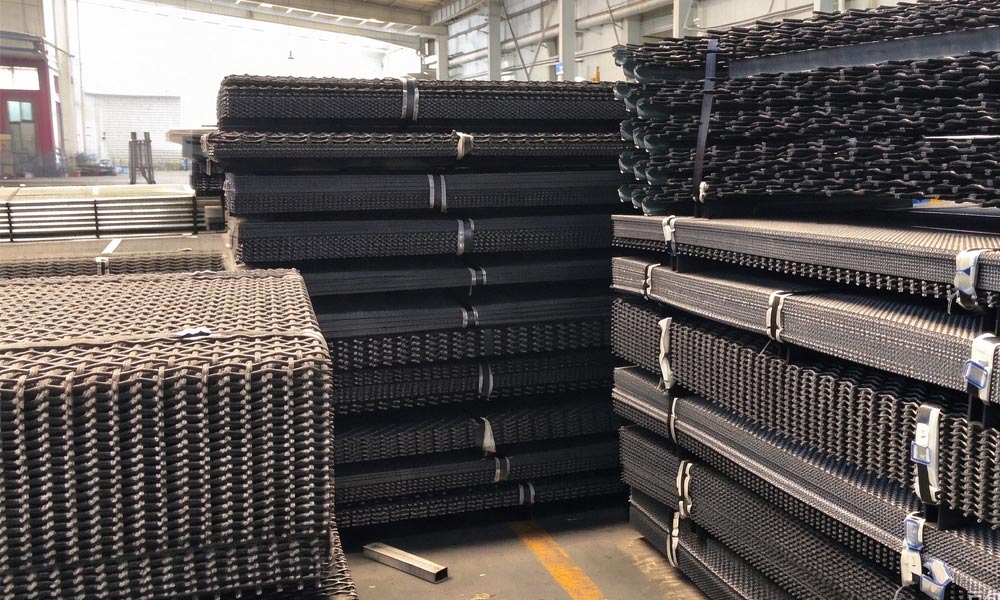
Simple Hook-Tension Setup for Fast, Low-Labor Changeouts
The final day-to-day operational win that your maintenance crew will notice immediately is the lightweight, hook-tensioned mounting system built into a purpose-built square woven screen for limestone, which cuts the total time required for a full deck changeout down by 70% compared to heavy modular rubber panels. Most large limestone screening decks use bulky 30kg+ modular rubber panels that require 3 to 4 crew members to lift, position and bolt into place, leading to 3 to 4 hour long changeouts that create huge chunks of unplanned downtime when you are trying to get the circuit back up and running fast to meet a tight delivery deadline. This woven screen panel weighs less than 10kg for the same deck coverage area, so two maintenance workers can carry, position, hook and fully tension a full 3-meter wide screening deck in less than 45 minutes total, letting you get back to full production far faster. The simple tensioned design also means you do not need to stock a huge inventory of specialized heavy mounting bolts and custom brackets, further cutting down on your plant’s spare parts storage and procurement costs.
For limestone processing operations that battle constant wet clay blinding, inconsistent aggregate gradation, fast abrasive screen wear and tight production deadlines, a purpose-built square woven screen for limestone outperforms every other traditional screening media option on the market, delivering a full return on your initial investment in less than 2 weeks of full continuous production operation.