Piano Screen for Fine Ore: Boost Fine Mineral Recovery and Cut Blinding
If you’ve ever run a fine ore classification circuit for weeks, watching 15% of your high-value near-size fine gold or iron ore get trapped on the deck and sent back to the crusher as oversize, killing your total plant recovery and wasting huge amounts of extra crushing energy, you know how much traditional rigid fine screening media struggles to deliver consistent high performance for tight fine cut points. Many mineral processing operations supervisors I’ve worked alongside over the years shared that they spent years testing every rigid woven mesh, rubber and polyurethane fine screen on the market, never hitting their target fine recovery numbers, until they switched over to a purpose-built piano screen for fine ore. This practical, field-tested guide skips generic marketing buzzwords and breaks down exactly how this specialized flexible screen design solves the most frustrating, costly fine separation pain points that almost every mineral processing operation runs into on a daily basis.
Independent Resonant Vibration Eliminates Fine Ore Blinding
The first core performance advantage that makes a purpose-built piano screen for fine ore outperform every traditional fine screen media is its set of individually tensioned free-floating parallel wires, each vibrating independently at a far higher resonant frequency than the main deck’s base vibration. Unlike rigid woven or rubber panels that only move with the 900 to 1200RPM motion of the main vibrating machine, every single flexible high-tensile piano wire flexes and bounces at a 3000+ RPM secondary micro-vibration that breaks the surface tension holding wet fine clay and near-size ore particles together. This constant high-frequency movement prevents fine sticky particles from caking across the gaps, and stops near-size particles from wedging themselves permanently into the openings, keeping more than 90% of the total screen area fully open and usable even when processing 15%+ moisture fine ore that would clog a traditional rigid deck solid in less than 2 hours. Most mineral processing operations that made this switch reported that their fine blinding rate dropped by more than 85%, letting them run their fine classification deck nonstop across full 12-hour shifts with zero manual cleaning.
Unobstructed Parallel Gap Geometry Boosts Fine Recovery
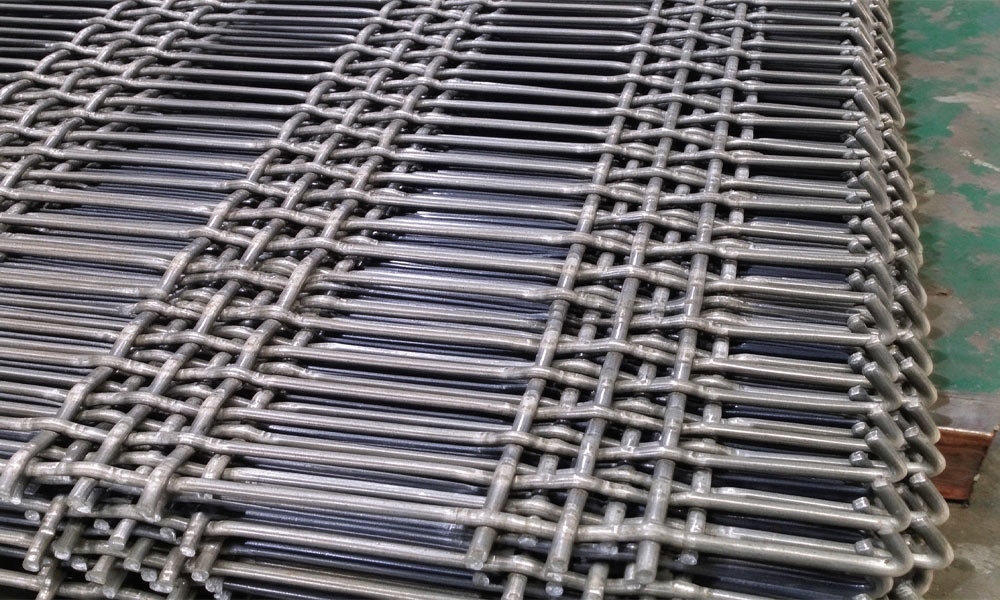
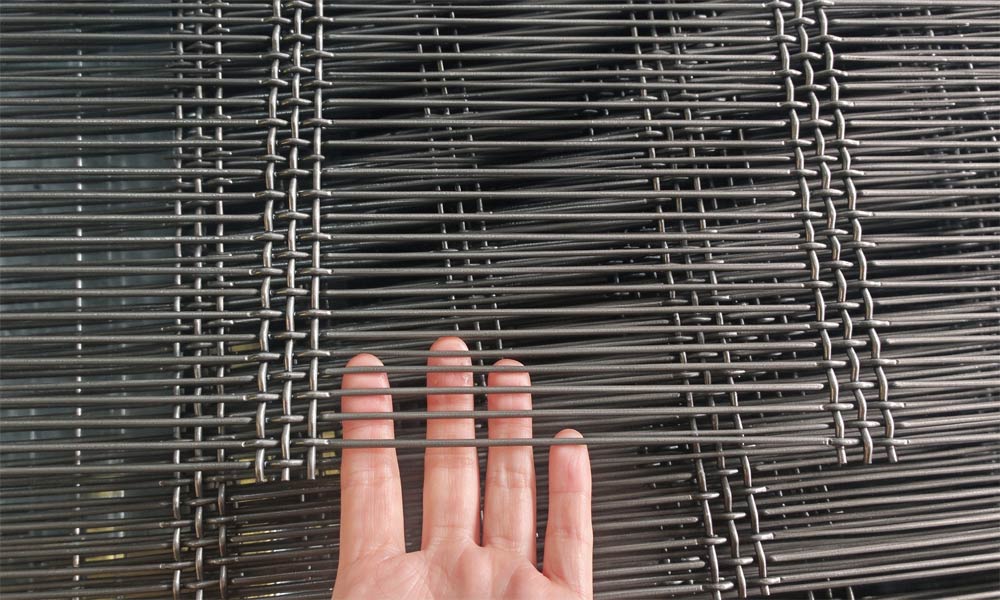
The second critical design feature that drastically increases your total saleable fine ore yield is the completely open, unobstructed long gap geometry of a purpose-built piano screen for fine ore, which has zero overlapping cross wires, crimp intersections or ledges that block fine particles from passing through the deck. Traditional woven fine screens have hundreds of overlapping cross wires that create tiny shadowed spots and physical barriers that stop 10% to 15% of near-size fine particles from falling through the apertures, forcing them to ride all the way across the deck and end up in the oversize recycle stream, dragging down your total plant recovery. The piano screen’s parallel wire layout creates long continuous open gaps that run the full width of the deck, giving every fine particle smaller than your target cut point a completely clear unobstructed path to fall through, with zero obstacles in its way. Most iron ore and gold processing operations that made this switch reported that their total fine saleable ore recovery jumped by 11% to 16% immediately, with no expensive upgrades to their upstream crushing or grinding circuit required.
Uniform Consistent Aperture Control Guarantees Tight Cut Point Accuracy
The third huge operational benefit that keeps your fine ore product consistently meeting strict customer grade specifications is the perfectly uniform, distortion-free gap control of a purpose-built piano screen for fine ore, which never warps, stretches or shifts aperture size even after months of continuous high-volume operation. On traditional flexible rubber fine screens, the soft material around the openings stretches unevenly under heavy abrasive scouring, creating random distorted oversized gaps that let unexpected oversize particles slip through and contaminate your fine finished product, leading to failed grade tests that force you to reprocess hundreds of tons of material. The piano screen’s individually tensioned parallel wires are locked into a precision machined mounting frame at both ends, so every single gap stays exactly the same size across the full width and length of the panel, with zero warping or shifting. Most mineral processing operations that switched to this design reported that their fine product gradation consistency improved by more than 40%, completely eliminating random off-spec batches that used to trigger costly customer rejections.
Modular Lightweight Design Cuts Fine Deck Maintenance Downtime
The final practical operational win that adds dozens of extra high-production days to your annual schedule is the lightweight, modular hook-tensioned construction of a purpose-built piano screen for fine ore, which drastically reduces the total time required for scheduled panel inspections and changeouts compared to heavy rigid fine screen panels. Standard heavy modular rubber fine screen panels weigh 30kg+ each, requiring 3 to 4 crew members to lift, position and bolt into place, leading to 3 to 4 hour long changeouts that eat deep into your scheduled maintenance window and steal hours of potential fine ore production time. Each piano screen modular panel weighs less than 12kg for the same deck coverage area, so two maintenance workers can carry, position, hook and fully tension a full 3-meter wide fine deck in less than 60 minutes total, letting you get your classification circuit back up and running far faster after every planned maintenance stop. Most mineral processing operations that standardized on this fine screen reported that their total annual fine screening maintenance downtime dropped by more than 60%, adding 20+ extra full production days to their schedule every single year.
For mineral plants aiming to maximize fine ore recovery and maintain precise classification cut points, piano screen for fine ore outperforms traditional screening media. It reduces maintenance downtime and delivers fast ROI under continuous peak production.