Piano Wire Screen Aperture Guide: Material-Specific Sizing Rules
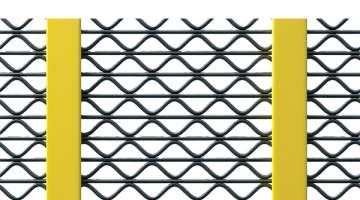
If you’ve ever installed a new piano screen with the exact nominal aperture size you used on your old woven mesh deck, only to find it either lets huge amounts of oversize slip through or clogs completely solid within a few hours, you know that picking the right opening size for flexible parallel wires is nothing like sizing a traditional rigid woven screen. Many processing operations supervisors I’ve worked alongside over the years shared that they wasted thousands of tons of throughput and weeks of production time guessing at aperture sizes, until they built out a site-tested reference library of aperture settings tuned for every different material they process. This practical, field-tested piano wire screen aperture guide skips generic one-size-fits-all advice and breaks down material-specific sizing rules refined across dozens of mineral, coal, aggregate and recycling processing sites.
Fine Wet Coal and Soft Low-Abrasion Organic Materials
The first material category where most operators make easy avoidable aperture sizing mistakes is fine wet coal and other soft, low-abrasion organic screening materials, where the high independent vibration of the piano wire design lets you use a slightly different sizing logic than you would for rigid woven mesh. This section of the piano wire screen aperture guide recommends that for 3mm to 13mm target fine coal cut points, you select a gap size that is 10% to 15% larger than your exact target separation size, instead of matching it 1:1 like you would on a rigid woven deck. The high-frequency independent vibration of the piano wires breaks up soft sticky fine coal clumps instantly, so you can run a slightly larger gap without letting oversize particles slip through, and the extra open space drastically reduces blinding, letting you push 30% more tonnage through the deck even when processing 14%+ moisture raw coal. Most coal preparation plants that followed this sizing rule reported that their fine coal throughput jumped immediately, with zero increase in oversize contamination in their final fine product.
High-Abrasion Hard Rock and Iron Ore Fine Classification
The second material category that requires completely different aperture sizing logic is high-abrasion hard rock and iron ore fine classification, where long-term consistent gap stability and wear life are far higher priorities than maximum open area. This part of the piano wire screen aperture guide advises that for 1mm to 8mm target hard rock cut points, you select a gap size that is 5% smaller than your exact target separation size, instead of matching it directly. Sharp angular hard rock particles will slowly scour the piano wire gaps wider over 60 to 90 days of continuous operation, so starting slightly smaller lets the gaps wear gradually up to your exact target size, and stay within your required tolerance range for the full usable service life of the panel. If you start at exactly your target size, the gaps will wear 10% wider within 30 days, letting large volumes of oversize material slip through and ruin your finished product gradation. Most iron ore processing operations that followed this rule reported that their fine product stayed consistently within their strict gradation specifications for the entire full 90+ day service life of every panel.
Sticky Clay-Bearing Laterite and Weathered Ore
The third material category where generic aperture sizing almost always leads to total deck blinding is sticky clay-bearing laterite and highly weathered ore, where the material’s tendency to stick and clump is far more important than perfect initial cut point accuracy. This section of the piano wire screen aperture guide suggests that for 6mm to 20mm target cut points for these extremely sticky materials, you use a rectangular slotted gap shape that is 2 times longer than it is wide, instead of a standard square equivalent gap size. The long narrow rectangular gaps let fine individual particles pass through easily, while the extra length of the opening gives large sticky mud clumps no flat solid surface to sit on, so they roll across the deck instead of caking down and blocking the gaps. Most laterite nickel processing operations that switched to this slotted rectangular aperture layout found that their blinding rate dropped from 70% down to less than 5%, letting them run their fine classification deck nonstop even through multi-day rainy seasons.
Construction Aggregate and Crushed Concrete Recycling
The fourth material category that needs a unique balanced aperture sizing approach is construction aggregate and crushed concrete recycling, where you need to balance high throughput, consistent sizing and long panel wear life for high-volume low-margin operations. This final part of the piano wire screen aperture guide recommends that for 5mm to 10mm fine aggregate cut points, you select a gap size that is exactly equal to your target specification, and use a slightly thicker 3mm diameter piano wire instead of the thinner 2mm wire you would use for coal or soft ore. The thicker wire resists abrasive scouring from sharp crushed concrete and granite far better, extending total panel service life by 40%, while the exact 1:1 gap to target size ratio ensures you never produce oversize aggregate that fails strict local construction gradation standards. Most aggregate quarries that followed this sizing rule reported that their total annual fine screening consumable costs dropped drastically, while their fine aggregate product consistently passed every single gradation test with zero rejections.
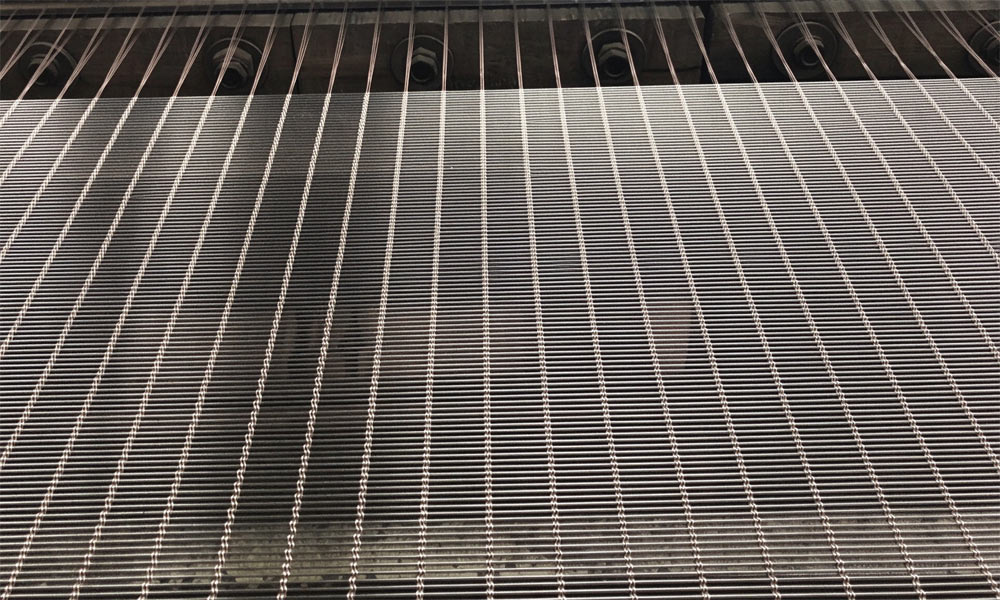
By matching your exact aperture size, gap shape and wire diameter to the specific unique properties of the material you are processing, instead of copying your old rigid woven screen settings directly, you will unlock far higher throughput, better separation consistency and far longer panel service life from your piano screen setup.