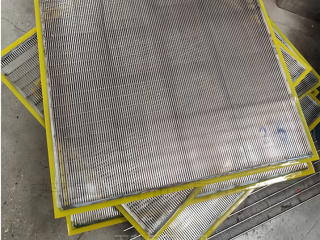
 polyurethane Slotted Screens for Sand and Gravel">
Switching to anti-clogging polyurethane slotted screens transforms the washed sand and gravel classification process By eliminating blinding, you can produce a consistently drier and better-sized product
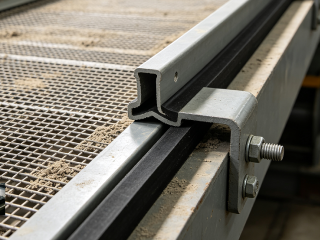 polyurethane Clamping Strips">
While metal clamping strips have their place, polyurethane strips are the clear winner for most modern screening and conveying operations Their superior resistance to vibration, corrosion, and abrasion translates directly into longer service life
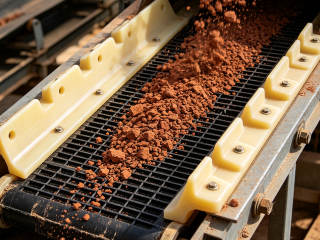 polyurethane Side Liners">
Worn side plates drain time and profits Wear-resistant polyurethane liners combine superior abrasion resistance, vibration tolerance, and corrosion protection,extending plate life and cutting downtime
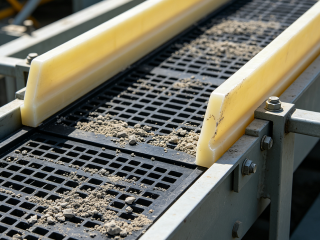 polyurethane Screen">
Choosing between rubber screen plates and polyurethane screen meshes is one of the most frequent dilemmas for aggregate, mining, and recycling operations
 polyurethane Pins">
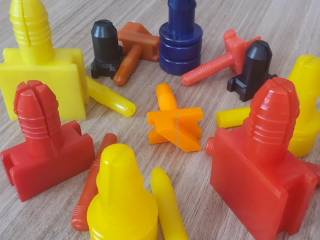
Proper insertion and withdrawal force testing and installation tips for polyurethane pins, These small, actionable adjustments help processing plants extend screen panel service life, and unlock consistent long-term operational efficiency gains
 polyurethane Fine Screens Beat Stainless Steel">
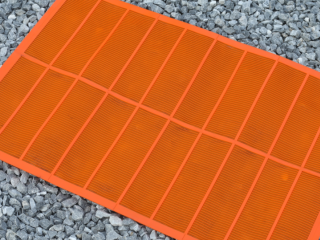
When you analyze the full lifecycle from purchase to disposal, polyurethane fine screens consistently deliver a far superior economic outcome It’s not just about the screen, it’s about what the screen allows your plant to do
 polyurethane Fine Screens in High-Concentration Slurry Screening">
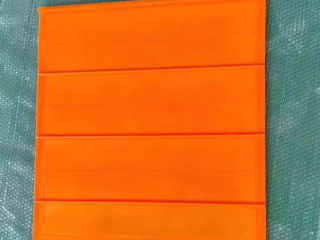
Under high pressure operating conditions, tear resistance and open area are the two critical parameters determining screening performance; a balance between them is essential to ensure the final quality of the screening process
 polyurethane Fine Screens">
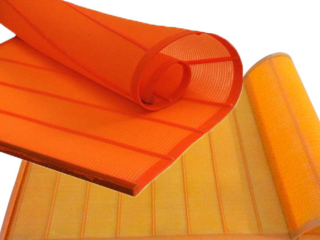
Savvy operators are discovering that the unique properties of polyurethane fine screens provide the ultimate line of defense, delivering desliming and dewatering performance that traditional steel screens simply cannot touch
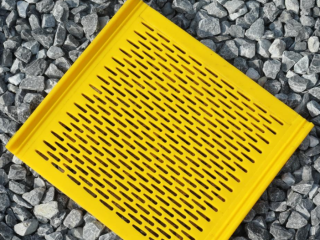 polyurethane Flip-Flow Screen Panels">
If you’ve ever tried to screen wet, sticky fines at high tonnage, you know the pain of blinding screens and soggy product That’s where polyurethane flip-flow screen panels come in—but not all panels are created equal
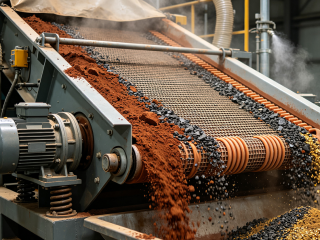 polyurethane Screens for Fine Iron and Gold Ores">
Upgrading to polyurethane screens for fine mineral grading is a strategic move It solves the blinding issues associated with fine materials, guarantees precise classification, and ultimately boosts the efficiency of your operation
