Flip Flow Polyurethane Screen Panels for High Abrasion Materials
If you’ve ever seen brand new screen panels rip apart at the feed impact zone after just ten days on the job—or had half your deck panels come loose thanks to sloppy tensioning, shutting down your whole processing line for hours of messy repairs—you know just how much bad panels and poor installation can chew up your schedule and blow your budget. After years of talking to maintenance leads in coal washing plants, mineral processing sites, and aggregate quarries across northern China, a clear pattern shows up: almost everyone has wasted months running cheap, off-the-shelf panels and making avoidable installation mistakes before finally figuring out which high-abrasion panels actually last, and how to fit them right for dependable long-term service. This straight-up, field-tested guide breaks down the real abrasion performance that sets top-quality Flip Flow Polyurethane Screen Panels apart, plus step-by-step installation advice that actually works—no marketing filler, just honest lessons pulled from hundreds of real-world plant logbooks.
Virgin Polyurethane: The Real Difference in Wear Life
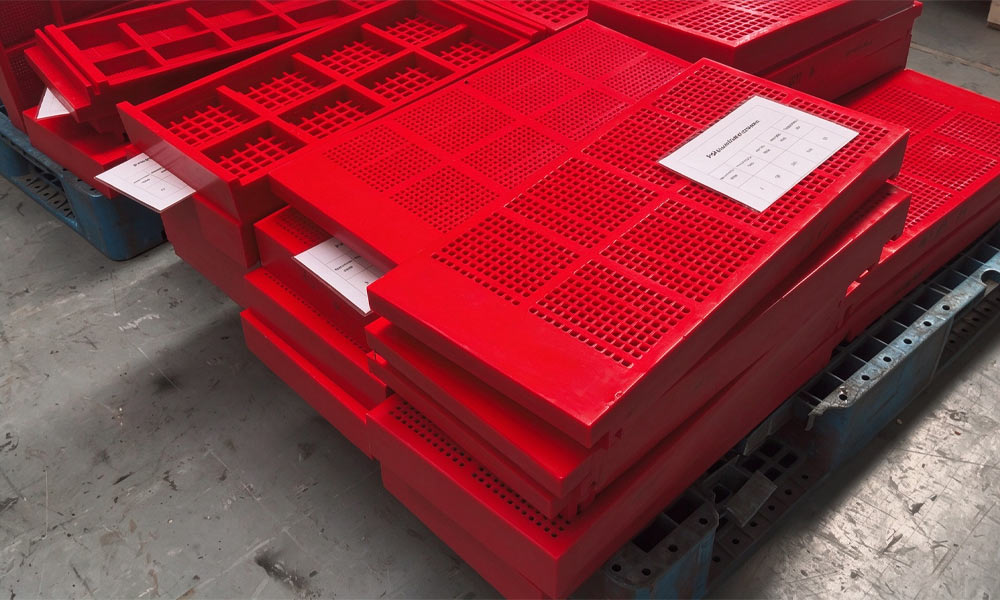
What really separates reliable panels from the disposable kind is the polyurethane itself. Top-tier Flip Flow Polyurethane Screen Panels use a custom-blended virgin polyurethane formula. This stuff is made to take a beating—whether it's sharp, high-silica ore, gritty aggregate fines, or wet, abrasive coal slurry, the material stands up to serious punishment. Cheap panels are usually made from recycled PU filled with unfiltered filler impurities, which scours away after just a couple weeks under heavy continuous load, leaving uneven pitted surfaces that speed up wear even further. Mining-grade panels, on the other hand, use a special multi-stage low-temperature curing process to lock a steady Shore A hardness of 80-90 throughout the entire panel. No soft spots. No thin areas. No random weak points that wear through out of nowhere. Realistically, you’ll see 5 to 7 times more wear resistance compared to basic mild steel, and you won’t get those sudden, early breakdowns—these panels go through tens of thousands of tons of abrasive material and keep going without unexpected failures. Granite quarries who made the switch saw their average panel life jump from about 12 days to more than three months, no other major equipment changes required.
Steel Skeleton: Stops Panels Tearing Out at the Mounts
Here’s another game-changer: reinforced Flip Flow polyurethane screen panels come with a fully embedded continuous steel skeleton. It’s a hidden backbone that keeps the whole panel from tearing apart at mounting points or high-impact spots—long before the PU surface even begins to thin out. Generic panels cut corners and skip this step entirely, so the soft PU body stretches and rips at the mounts under constant alternating flip flow motion. You’ll find panels torn loose even when the main surface is still 70% intact, forcing you to throw away an otherwise perfectly usable panel weeks before it should ever need replacement. But the reinforced steel structure runs through every section of the panel, spreading out tension, impact, and vibration load evenly across the entire structure. Now, no single spot carries too much concentrated stress, so you don’t get sudden failures at the hooks or fixtures. Iron ore processing plants that upgraded to these reinforced panels saw their mounting tear-outs drop over 90%, and each panel stayed in service until its full rated wear life was truly up, no more wasted partially used panels.
Deck Inspection and Alignment: The Step Everyone Skips
Before you even unwrap the new flip flow PU screen panels, walk the full length of the deck. Seriously—give it fifteen minutes of focused work. Check every support rail for bends, loose hardware, sharp burrs, or uneven heights that stick up even a few millimeters above the rest of the frame. That’s what causes about 80% of early panel failures: one bad misaligned rail can make a panel sit tighter or looser than the rest of the deck. Then, even if you torque every panel hook to the exact same value, that one mispositioned panel gets overloaded and tears right out after just a few hours of operation. I’ve seen maintenance crews skip this quick check and lose brand new panels in less than a week, all because of one wonky support rail that nobody noticed ahead of time. A quick pass with a straight edge and a wrench to tighten loose bolts or tap bent rails back into place takes barely any time, but it saves you hours of frustrating rework later on.
Tension the Right Way: Even, Everywhere. And Mind the Gaps.
Once you start fitting panels, tension every single hook to the manufacturer’s specified torque value. No guessing, no “that feels right” by hand, no skipping the torque wrench to save a few minutes. Too tight, panels overstretch and tear under repeated flip flow motion; too loose, they sag down and rub against the deck frame until the bottom sides wear thin and break. Make sure every hook is just right, and don’t rush through this step. While you’re at it, leave a small, even gap—2 to 3 millimeters—between each adjacent panel. That way, they can flex and move through their full designed flip flow stroke without grinding against their neighbors and wearing down the side edges prematurely. Multiple coal washing plants that stuck strictly to this even tension and gap adjustment process saw their average panel life jump by almost 40%, and surprise blowouts in the middle of a busy 12-hour production shift became a thing of the past.
In the end, it’s pretty straightforward: choose high-abrasion, reinforced mining-grade Flip Flow Polyurethane Screen Panels. Follow these honest, proven installation steps. You’ll spend a lot less on spare part repairs, skip most unplanned shutdowns, and get way more consistent use out of your screening deck than with cheap generic panels or rushed, careless installations.