Choosing Proper Aperture for Flip-Flow Polyurethane Screen Mesh
If you’ve ever installed a brand new set of screen panels on your flip flow deck only to realize 3 days later that you picked the wrong aperture size and shape, letting tons of high-value fine material slip through the oversize pile or blinding up completely with sticky wet clay, forcing you to shut down the whole line for hours of emergency rework to swap out every single panel, you know exactly how much a single bad aperture choice can derail your whole weekly production schedule, waste thousands in lost revenue and leave you scrambling to patch together a temporary workaround to hit your delivery targets. After years of chatting with operations and maintenance leads across coal washing plants, mineral processing sites and aggregate quarries across northern China, nearly every single one shared that they used to just pick standard square apertures for every application, until they tested different shapes and learned simple small operational tricks that made their anti-clogging performance 30% better. This no-fluff field-tested guide breaks down exactly how to pick the right aperture option and stop persistent blinding on a quality Flip-Flow Polyurethane Screen Mesh, no empty marketing buzzwords, just insights pulled straight from hundreds of real on-site operational logs.
Match Aperture Geometry to Your Exact Material Particle Shape
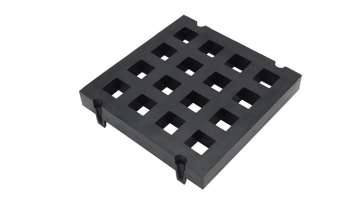
If you want the right flip-flow polyurethane screen mesh for your site, start by matching the aperture shape directly to your material’s particles. That means looking at what you’re actually processing, not just reaching for a generic square aperture every time.Square apertures? They’re great when your material is dry and pretty regular—think round or cube-shaped aggregate. You get maximum open area, and that means more material flows through, faster. But run something sharp, flat, or flaky—like mica, shale, or stringy coal chips—across those squares, and you’ll run into trouble fast. Those odd-shaped particles catch on the edges, wedge themselves sideways, and blind the openings before you know it.What’s better for elongated or flaky particles? Go with long, narrow slotted apertures, lined up with the material flow. These let the particles slip through lengthwise, so there’s no chance for them to jam sideways. Granite quarries that made the switch to slotted apertures for flaky crushed rock saw wedging and blinding problems drop by over 70%. And they didn’t have to sacrifice product sizing accuracy to get there—it just worked.
Tapered Wide-Bottom Apertures for High-Moisture Sticky Fine Material
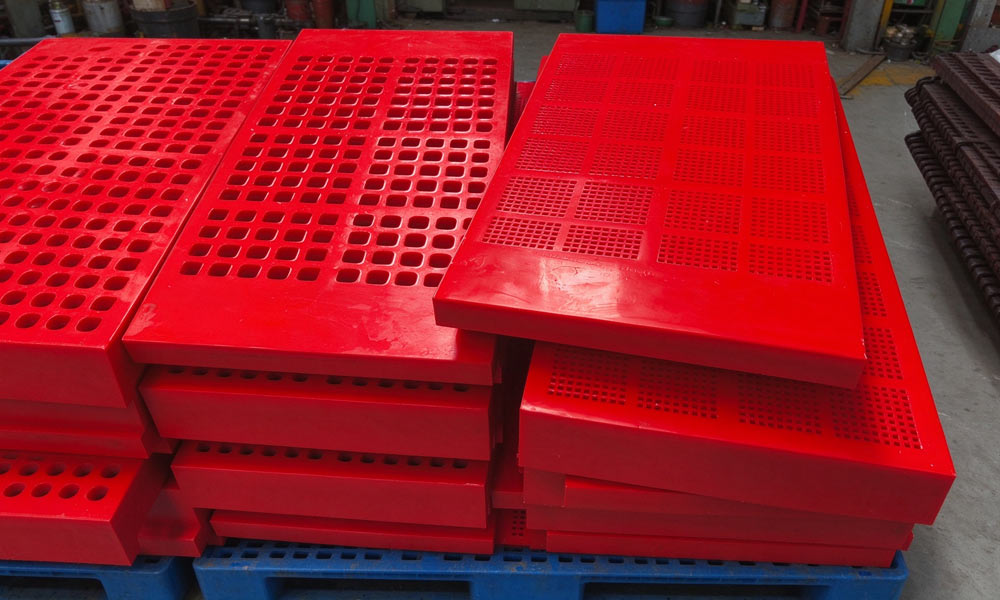
Now, when you’ve got sticky, high-moisture fines—like damp coal or clay-rich ore—square designs just don’t cut it. They blind up almost immediately. Here, you want mesh with inverted tapered apertures. These are narrower at the top, where the feed comes in, and open up wider at the bottom. No sharp corners for fine particles to get stuck in. As near-size, damp fines push into the top opening, the shape gives them extra space underneath to fall through, so nothing packs in and seals the screen.These tapered apertures shine in jobs like high-moisture coal dewatering, clay ore sizing, and virtually any sticky, fine material that cubes can’t handle. Take it from coal plants processing 22%+ moisture fines—they saw over a 90% drop in manual screen cleaning, and their moisture numbers got better too. On average, the final product came out with moisture down by 3 percentage points. That’s a serious upgrade.
Add a Pre-Scalping Deck to Remove Oversize Trash Before Fine Screening
The first simple operational trick to drastically cut long-term blinding risk is adding a low-cost small pre-scalping deck before your main fine sizing deck, to remove large oversize rocks, wood chunks and stray metal debris before they ever reach your fine aperture Flip-Flow Polyurethane Screen Mesh. Large oversize chunks can smash through fine apertures, create localized damaged spots that catch and hold fine sticky material, and create uneven flow across the deck that makes fine particles pile up in one small zone and blind over completely. The pre-scalping deck removes all this large unwanted material before it gets to your fine panels, creating a consistent even thin layer of correctly sized material flowing smoothly across the full fine deck. Lateritic rare earth processing sites that added this simple pre-scalping step found that their fine deck blinding rate fell by more than 60%, and their average panel service life increased by nearly 30%.

Calibrate Deck Stroke and Speed to Match Real-Time Feed Conditions
The second easy adjustment that most operations overlook to eliminate persistent blinding is fine-tuning your flip flow deck’s eccentric shaft speed and stroke length to match real-time changes in feed moisture and particle size distribution, instead of running the deck at a fixed setting 24/7 no matter what the feed conditions are. When your feed moisture spikes after rain, you can slightly increase stroke length to make the panels flex further, shaking sticky material loose more aggressively, and when you are running completely dry free-flowing material you can slightly lower speed to reduce unnecessary PU fatigue. This small dynamic adjustment keeps the self-cleaning performance of your Flip-Flow Polyurethane Screen Mesh perfectly optimized for every different feed condition, so you never end up with unexpected blinding even when your feed properties swing wildly. Multiple aggregate quarries that started doing this 1-minute daily calibration found that their blinding incidents dropped by more than 80%, and their total fine deck throughput stayed consistently high no matter the weather.
By picking the exact right aperture shape matched to your material properties, adding a simple pre-scalping step and dynamically adjusting your deck stroke and speed to match real-time feed conditions, you can almost completely eliminate persistent blinding issues, drastically boost your screening efficiency, and get far longer service life out of every panel you install.