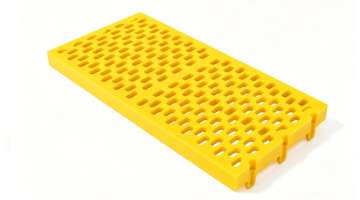
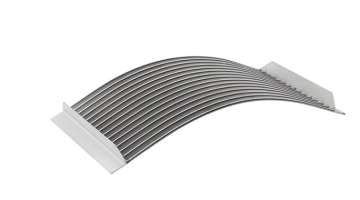
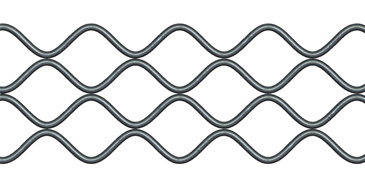
Polyurethane Flexible Tensioned Screen: Benefits for High-Moisture Sticky Ore Separation
If you’ve ever stood in a processing plant on a rainy summer day, watching your traditional rigid vibrating screen blind over completely in less than an hour, while 20%+ moisture sticky clay ore piles up on the feed belt and your whole circuit’s throughput drops to less than 40% of its rated target, you know exactly how much high-moisture ore can turn your sizing and separation step into your site’s most frustrating daily bottleneck. After years of chatting with operations leads across lateritic bauxite mines, weathered rare earth processing yards and high-moisture open-pit coal mines across northern China, nearly every single one shared that they fought this persistent blinding problem for decades with rigid steel screens, until they tested a flexible tensioned design and realized most of that daily messy manual scraping work was completely unnecessary. This no-fluff field-tested guide breaks down the real-world operational benefits of a purpose-built Polyurethane Flexible Tensioned Screen for high-moisture ore separation, no empty marketing buzzwords, just insights pulled straight from hundreds of real on-site operational logs.
Dynamic Micro-Flex Motion Automatically Dislodges Wedged Sticky Clay Fines
The first core performance advantage no traditional rigid screen can match is the high-frequency tiny micro-flex motion that every heavy-duty Polyurethane Flexible Tensioned Screen generates across its full taut deck surface, a rapid local wiggling action that automatically shakes damp sticky near-size fine particles loose from apertures before they can wedge tight and cause blinding. Traditional rigid steel screen panels stay completely static even at maximum vibration frequency, so soft wet clay particles get wedged deep in square openings and stay stuck there, packing the deck full of caked-on material that seals off more than 70% of your effective open area in a single shift. The taut flexible PU panel flexes every aperture dozens of times per second, so even the wettest, stickiest near-size particles can never lock themselves permanently into an opening, and get shaken loose automatically to fall through. Lateritic bauxite mines processing 23%+ moisture raw ore reported that manual blinding clearing work dropped by more than 90% after installation, with no more mandatory mid-shift full shutdowns to dig out wedged material.
Non-Stick Smooth PU Surface Eliminates Clay Caking Build-Up
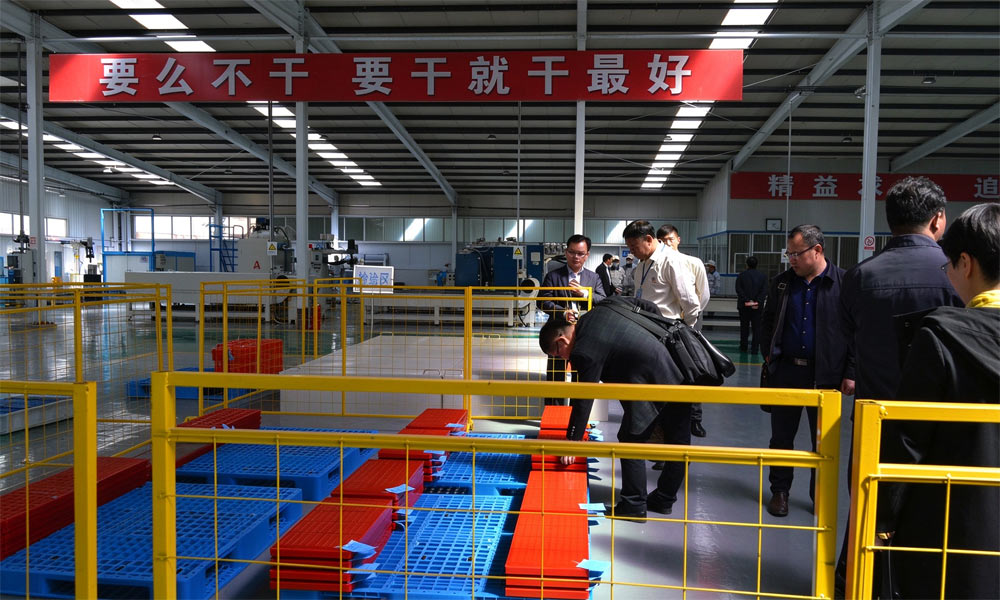
The second critical benefit that drastically cuts long-term blinding risk is the specially formulated non-porous low-friction surface finish that every industrial-grade Polyurethane Flexible Tensioned Screen features, a smooth material property that stops damp sticky clay and wet mineral fines from adhering and caking onto the deck surface in the first place. Traditional rough steel screen surfaces are covered in tiny micro-pits and sharp texture points that give soft wet clay a perfect surface to cling to, building up a thick caked-on layer of ore across the whole deck that can’t be shaken loose even at maximum vibration stroke, forcing teams to spray huge volumes of high-pressure wash water onto the deck to try and keep apertures clear. The seamless smooth PU surface has no tiny crevices for sticky material to stick to, so even the wettest, stickiest material slides right across the top without caking onto the panel. Weathered rare earth processing yards reported that thick caked-on ore layers on the deck completely disappeared, and they cut their deck wash water consumption by more than 60%.
Uniform Taut Deck Layout Prevents Low-Flow Dead Zones
The third practical operational advantage that boosts separation consistency for high-moisture ore is the full uniform taut deck layout that a well-engineered Polyurethane Flexible Tensioned Screen uses, a continuous tensioned surface with no sagging panel corners, no joint gaps and no uneven low-tension dead spots across the full working width. Traditional bolted modular PU panels only lock tension at their four corners, so the middle of every panel sags slightly under continuous vibration, creating small low-flow zones where wet sticky material piles up and sits still, caking over completely and turning into a solid block that blocks all nearby apertures. The fully tensioned flexible PU deck stays perfectly taut across every single square centimeter of its surface, so material flows evenly across every part of the deck, with no stagnant pile-up zones anywhere. Fine clay ore processing sites reported that their effective usable deck area jumped from 65% on old modular screens to more than 95% on the new flexible tensioned units.
Abrasion-Resistant PU Body Extends Service Life in Corrosive Wet Slurry
The final long-term cost-saving benefit that makes these units perfect for high-moisture ore processing is the high chemical and abrasion resistant PU material body of a heavy-duty Polyurethane Flexible Tensioned Screen, a formulation that stands up far better to constant contact with wet acidic ore slurry, dissolved clay and sharp abrasive fine particles than traditional mild steel mesh. Traditional steel screens rust and wear through quickly when running continuously in wet high-moisture conditions, developing sharp rust pits that catch more sticky fine material, tearing apart at tension points and forcing full panel replacements every 1-2 weeks. The high-grade PU material does not rust, resists most mild acidic ore slurries, and delivers 5 to 7 times higher abrasion resistance than mild steel. High-moisture open-pit coal mines reported that their average panel service life jumped from 12 days to over 3 months, and total annual screen spare parts cost dropped by more than 60%.
By deploying a purpose-built Polyurethane Flexible Tensioned Screen tuned specifically for high-moisture ore separation, you can eliminate almost all daily manual blinding clearing work, drastically boost your processing circuit throughput, and cut your total annual screen maintenance costs by more than half compared to running traditional rigid vibrating screens.