 Polyurethane Screen">
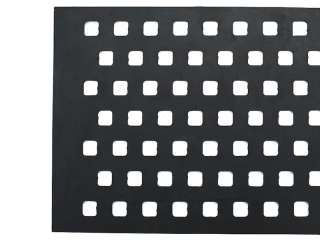
Choosing between rubber Screen plates and Polyurethane Screen meshes is one of the most frequent dilemmas for aggregate, mining, and recycling operations
 Polyurethane Screens for Fine Iron and Gold Ores">
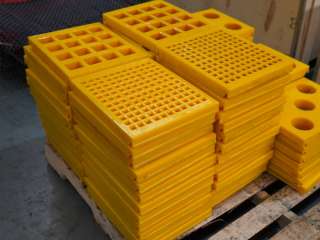
Upgrading to Polyurethane Screens for fine mineral grading is a strategic move It solves the blinding issues associated with fine materials, guarantees precise classification, and ultimately boosts the efficiency of your operation
 Polyurethane Screens in Extreme Temperatures and Environments">
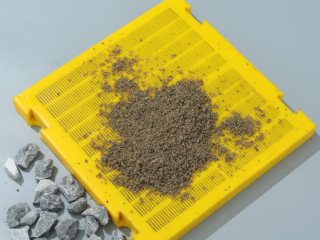
The performance of Polyurethane Screens differs significantly from most people s expectations They perform well in extreme high and low temperatures, directly impacting whether your equipment can withstand the entire season
 Polyurethane Screens in Primary Crushing: How They Handle Large Ore Pieces">
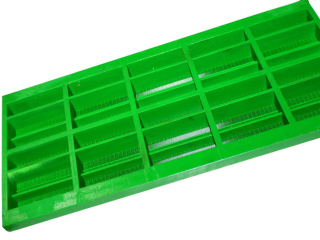
The shift toward heavy-duty Polyurethane Screens isn t a trend It s a response to real wear problems when you re throwing 300mm+ ore at a Screen deck at full belt speed
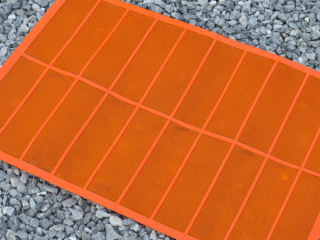 Polyurethane Screen Mesh Shape Guide: Square, Round, and Oval">
Choosing the right Polyurethane Screen is more than just choosing the size The chosen mesh shape directly impacts Screening efficiency, a fact most operators don t realize until frequent Screen changes
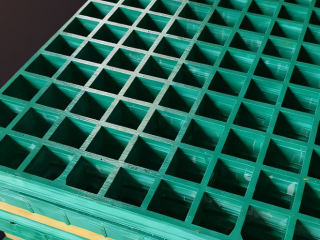 Polyurethane Screen for Mining">
Price of Polyurethane Screen plates in the mining Screening industry isn t just about material cost ,Here s what actually moves the needle
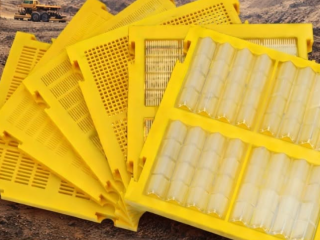 Polyurethane Screen Installation and Removal Tutorial: Halve Downtime">
Most mines and aggregate plants lose 15% to 30% of production time due to improper Screen installation A standardized Polyurethane Screen installation and removal procedure can significantly reduce downtime and extend Screen life
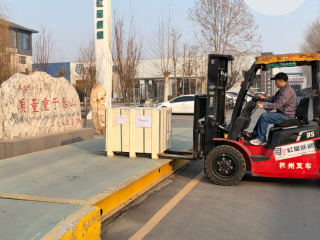 Polyurethane Screen manufacturer in the global market">
Finding Polyurethane Screen manufacturers online is easy, but finding one that can actually deliver on time is difficult This article will tell you how to avoid falling into this trap
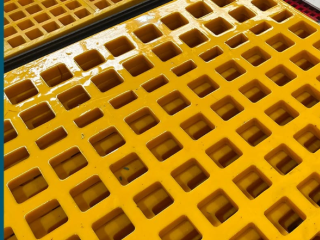 Polyurethane Screens: Preventing Premature Wear">
Most mine operators learn this the hard way: the lifespan of a tensioned Polyurethane Screen can be 3-5 times that of a steel Screen, or it might fail in just a few weeks What s the difference?
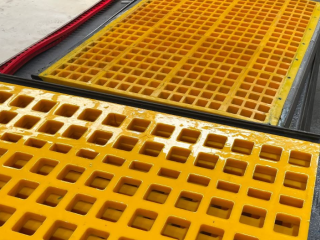 Polyurethane Screens compared to metal mesh">
Polyurethane mesh solves three major problems that metal mesh can never solve: clogging, noise, and excessive weight
