Modular Polyurethane Screen: Reduce Waste and Stabilize Dewatering
If you’ve ever pulled a full dewatering panel off your vibrating deck after barely two weeks of operation, only to find that a single 5cm tear in the feed zone ruined the whole unit, while 90% of the rest of the mesh is still completely intact and fully usable, you know exactly how much unnecessary spare parts waste and unplanned downtime traditional one-piece dewatering screens bring to your mineral processing circuit. After years of chatting with operations leads across fine coal washing plants, rare earth processing sites and high-silica aggregate quarries across northern China, nearly every single one shared that they used to throw away almost perfectly good panels on a regular basis, until they switched to a modular design that completely transformed their dewatering and classification performance. This no-fluff field-tested guide breaks down the real-world operational benefits of a purpose-built Modular Polyurethane Screen Mesh for mineral dewatering and classification, no empty marketing buzzwords, just insights pulled straight from hundreds of real on-site production logs.
Segmented Localized Swap Cuts 60% of Unnecessary Spare Parts Waste
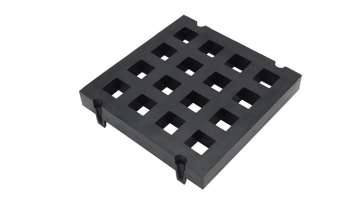
The first core cost-saving advantage that no traditional one-piece dewatering screen can match is the split independent small-unit layout of a heavy-duty Modular Polyurethane Screen Mesh, which lets you replace only the exact individual worn panel instead of discarding an entire large one-piece unit that is 90% still fully functional. On every dewatering and classification deck, 70% of all abrasive wear is concentrated on the first 30% of the deck near the high-impact feed drop point, while the low-wear discharge end panels barely see any heavy scouring and can stay in service for 3 to 4 times longer than feed zone units. Traditional full one-piece panels force you to throw away all that perfectly good low-wear material just because one small localized spot tore through, but the modular design lets you swap out only the 3-4 high-wear feed panels while leaving every other intact unit running. Multiple large fine coal washing plants shared that after switching, their total annual dewatering screen spare parts cost dropped by more than 60% almost immediately.
Tapered Non-Clog Aperture Design Maintains Consistent Dewatering Efficiency
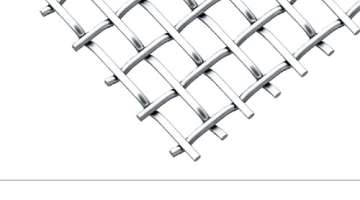
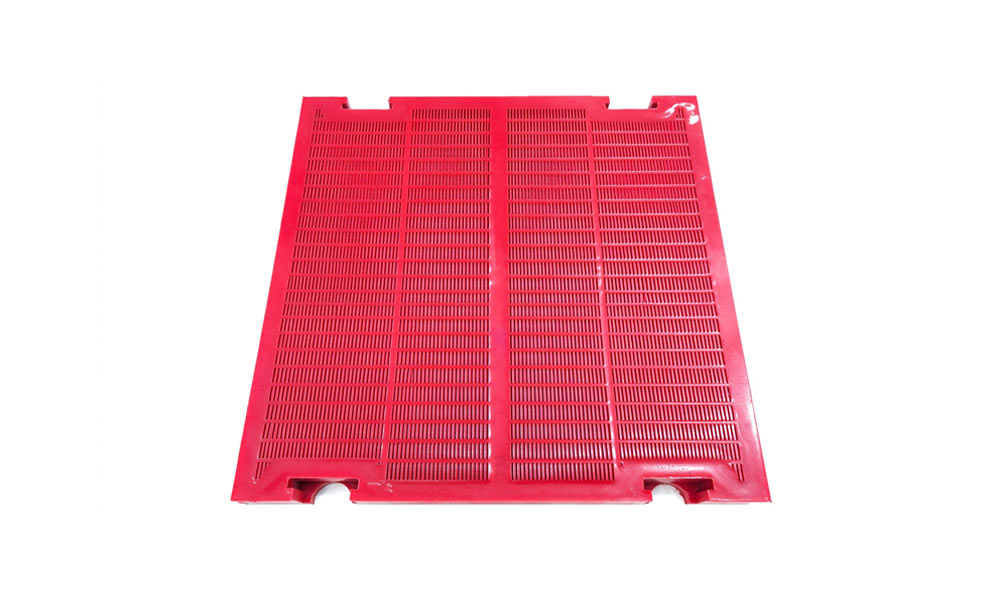
The second critical performance advantage that drastically reduces blinding risk in sticky fine mineral processing is the precision-molded tapered non-clog aperture structure on a high-quality Modular Polyurethane Screen Mesh, a design that keeps drainage openings fully clear even when processing high-moisture fine slime with high clay content. Traditional woven steel dewatering mesh has sharp right-angle openings that easily trap fine mineral slime particles, wedging them tight in the aperture and sealing off more than half of your total effective drainage area in less than one full shift, pushing your final fine product moisture far above your target specification. The smoothly tapered PU apertures are wider on the bottom discharge side, so fine slime particles that pass through the top opening can never wedge themselves back into the opening to cause blockage. Multiple lateritic bauxite processing sites shared that their average dewatering efficiency stayed above 90% for 3+ months of continuous operation, compared to dropping below 60% halfway through a single shift on old steel mesh.
Reinforced Embedded Skeleton Eliminates Premature Edge Tear-Out
The third underrated durability benefit that drastically extends average panel service life is the fully embedded continuous steel skeleton inside every reinforced unit of an industrial-grade Modular Polyurethane Screen Mesh, a hidden structural backbone that spreads all impact, tension and vibration load evenly across the entire panel body instead of concentrating stress only at the mounting edges. Cheap generic modular PU panels skip this steel reinforcement completely, so the soft PU material stretches and rips at the mounting edges under constant alternating vibration load, creating loose torn panels that fail even when 80% of the screening surface is still fully usable. The embedded steel skeleton eliminates all localized stress concentration at mounting points, completely preventing sudden edge tear-out failures that used to happen with un-reinforced panels. Multiple high-silica aggregate quarries shared that their average panel service life jumped from 12 days on old un-reinforced modular units to more than 3 months.
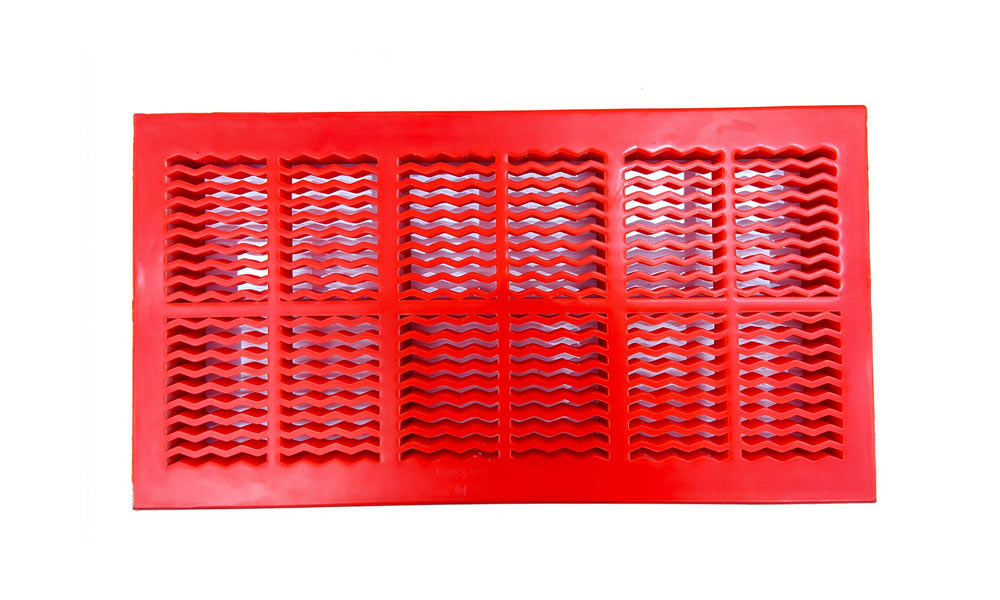
Custom Aperture Mix Layout Optimizes Full Deck Classification
Here's the real game-changer with modular polyurethane screen mesh: you can mix and match different aperture sizes across the deck. That means you control exactly how big each opening is, depending on what’s happening at each stage as material moves from the feed end to the discharge end. On a typical classification or dewatering deck, you get a bunch of coarse, near-size particles up front. They need big openings for quick drainage. At the discharge end, it's mostly fine, settled solids, which call for smaller apertures to stop product from slipping through the mesh. If you use a uniform one-piece mesh, you’re stuck picking just one aperture size. That never works perfectly for both ends. But with modular panels, you simply set up larger apertures up at the feed end and go smaller as you move toward the discharge. That way, each section handles exactly what it needs, no compromises. Multiple rare earth processing sites shared that this custom mixed layout boosted their final classification accuracy by more than 22%, and reduced fine valuable mineral loss to tailings by nearly 18%.
By leveraging the segmented localized swap, non-clog tapered apertures, reinforced embedded skeleton and custom mixed aperture layout of a well-engineered Modular Polyurethane Screen Mesh, you can drastically cut spare parts waste, maintain consistent high dewatering efficiency, extend panel service life and boost your overall classification performance far beyond the limits of traditional one-piece steel or PU screen decks.