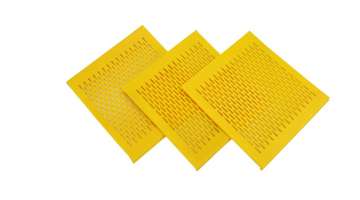
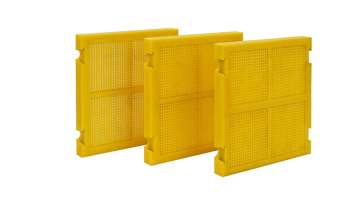
Polyurethane Screen Mesh for Fine Aggregate
If you’ve ever had to shut down your fine aggregate sizing deck in the middle of peak construction season, after your thin fine steel mesh completely blew out at a random localized wear spot after barely 8 days of operation, you know exactly how much constant abrasive scouring from sharp manufactured sand, fine silica grit and high-silica crusher fines can burn through thin panels fast, waste hours of unplanned overtime labor and blow your whole monthly consumable budget before you hit the 10th of the month. After years of chatting with maintenance leads across northern China’s manufactured sand plants, fine aggregate yards and silica sand processing sites, nearly every single one shared that they fought short fine mesh service life for years with thin steel panels, until they tested a properly engineered polyurethane fine mesh and realized their old frequent weekly replacements were costing them twice as much in lost production and overtime every single year. This no-fluff field-tested guide breaks down exactly what makes a long lifespan Polyurethane Screen Mesh deliver far more reliable performance for fine aggregate screening, no empty marketing buzzwords, just insights pulled straight from hundreds of real on-site operational logs.
High Abrasion Resistance PU Formulation Outlasts Steel 4-7x Over Time
The first core foundation of that extended long service life is the custom fine-mesh grade virgin polyurethane compound that a premium long lifespan Polyurethane Screen Mesh is cast from, a carefully calibrated formulation tuned to stand up to the constant sharp abrasive scouring from fine high-silica aggregate that would wear through thin mild steel wire in less than two weeks. Cheap low-quality generic PU fine mesh uses soft recycled PU material filled with unfiltered impurities that scours away quickly under continuous fine particle flow, failing in less than 3 weeks, while properly engineered fine aggregate grade PU uses a multi-stage low-temperature curing process that locks Shore A hardness to a consistent 90-95 across the entire mesh, with zero soft spots or weak points. This optimized material delivers 4 to 7 times higher abrasion resistance than standard mild steel, with no unexpected premature wear failures even after processing tens of thousands of tons of sharp fine manufactured sand. Fine aggregate plants that upgraded to these mining-grade PU fine meshes reported that average panel service life jumped from 10 days to over 2.5 months.
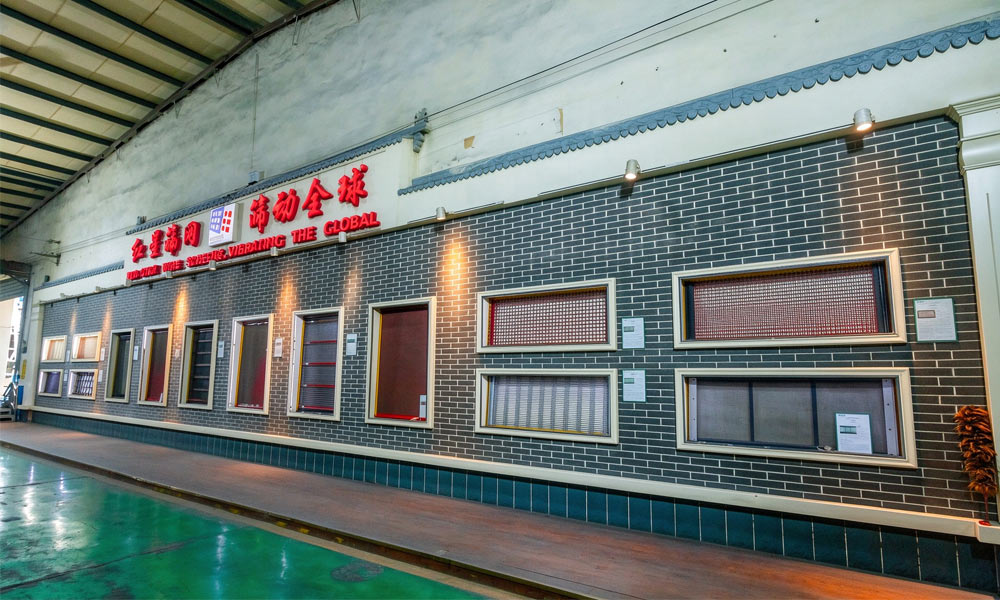
Reinforced Rib Structure Eliminates Premature Wire Breakage
Thick reinforced ribs are the real game-changer when it comes to making Polyurethane Screen Mesh last. Here’s why that matters: Heavy-duty mesh has these solid cross ribs that keep the fine PU strands from snapping during constant high-frequency vibration and repeated impacts from fine particles. Cheap mesh, on the other hand, is usually made with thin, unsupported strands. Those break all the time, which quickly creates oversized holes. That lets coarse aggregate pass through and mix in with your fine product, messing up the whole batch long before the mesh itself actually wears out.With the reinforced rib design, every single strand stays locked in place. The load spreads evenly, so no strand is left to take all the stress and fail early. Places processing silica sand saw a huge drop—over 90% fewer snap failures—after they made the switch. And every mesh panel reached its full life expectancy without having to swap it out early.
Uniform Aperture Stability Prevents Uneven Localized Wear
The third underrated design detail that adds weeks of extra service life is the perfectly consistent dimensionally stable aperture structure that a high-quality long lifespan Polyurethane Screen Mesh features, a property that eliminates uneven localized wear where individual apertures get scoured wider far faster than the rest of the mesh surface. Thin steel fine mesh wires shift out of alignment under constant vibration, creating uneven gaps that make fine sharp particles grind back and forth against individual wire surfaces, scouring those thin wires thin until they break, even when most of the rest of the mesh is still fully usable. The rigid PU aperture structure never shifts, stretches or deforms even after thousands of hours of continuous operation, so every opening stays exactly the same calibrated size, and fine particles flow evenly across the full mesh surface to wear the whole panel down slowly and uniformly. Fine aggregate yards found that uneven localized aperture wear almost completely disappeared, and no more random premature blowouts happened in the middle of a production shift.
Modular Tensioned Layout Cuts Unnecessary Full Mesh Waste
The final practical advantage that cuts total wear-related operating costs even further is the standard modular tensioned layout that most high-performance long lifespan Polyurethane Screen Mesh uses, a design that lets you swap out only the small locally worn sections of the deck instead of replacing the entire large one-piece fine mesh frame when one small high-wear zone wears through. Traditional large one-piece steel fine mesh forces you to throw away and replace the whole full panel even if only a small 200mm section in the feed impact zone is completely worn through, wasting all the remaining usable life left on the rest of the mesh surface. The small modular PU fine mesh panels clip straight onto the deck support rails without extra bolts or complicated tools, so you only need to replace the 1 or 2 individual panels in the high-wear feed zone, leaving all the lower-wear downstream panels in place to keep running for weeks longer. Fine aggregate processing sites that adopted this modular layout found that their total annual fine mesh spare parts consumption dropped by more than 55%, no more wasting mostly intact panels just because one small section wore out.
By investing in a properly engineered long lifespan Polyurethane Screen Mesh built with high abrasion resistance PU formulation, reinforced rib structure, dimensionally stable apertures and modular tensioned layout, you can drastically cut your total annual fine aggregate screening maintenance costs, eliminate almost all unplanned downtime, and get far longer consistent service life out of your fine sizing deck than you could ever get from traditional thin steel fine mesh panels.