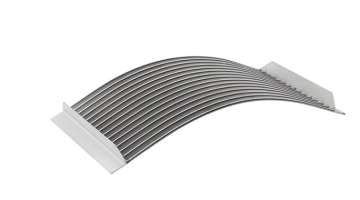
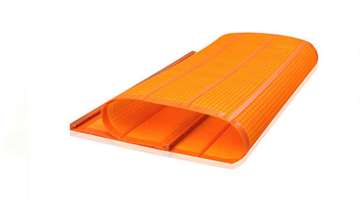
Dewatering Polyurethane Screen Mesh for Dewatering
If you’ve ever stood next to a tailings discharge point watching thick waterlogged slurry pour off the end of your old dewatering screen, dripping so much free water that the resulting wet cake still leaks fluid all over your site’s haul roads and makes transport impossible in rainy weather, you know exactly how much poor dewatering performance can turn your tailings management process into a costly, messy operational headache. After talking with tons of operations leads at mineral processing plants, coal washing sites, and tailings facilities around northern China, I kept hearing the same story: hitting target final cake moisture was a nightmare—until they switched to a dewatering polyurethane screen mesh specifically built for the job. Once they did, their entire tailings process changed for the better. This guide isn’t about hype; it’s field-tested know-how, drawn straight from real logs at actual work sites.
Ultra-Small Precision Molded Apertures Prevent Fine Particle Loss
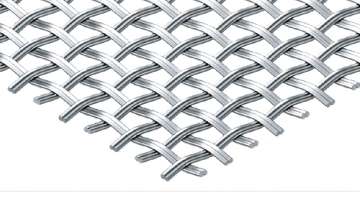
What makes the difference? The ultra-small, precisely molded apertures. These are designed to stop fine material loss. The mesh uses injection molding to create openings that hold within ±0.05mm, even at just 0.1mm wide—something you just don’t get with traditional woven metal mesh. Metal screens stretch and distort under constant slurry flow, so fine particles slip through with the water. That means you lose valuable product and clog your water recovery system with stray sediment. Polyurethane mesh doesn't have this problem. Even after thousands of hours of vibration and heavy flow, the PU apertures barely budge, so you keep almost all the fine solids up top and let the water drain right through.
Tapered Downward Aperture Geometry Eliminates Long-Term Blinding
The second high-impact design trait that keeps your dewatering efficiency consistent for months on end is the fully downward tapered aperture profile on a Dewatering Polyurethane Screen Mesh, where every opening gets slightly wider from the top feed surface all the way down to the bottom discharge side. On a traditional straight-sided or even reverse-tapered metal mesh, fine near-size particles get wedged tight inside the apertures after a few shifts of operation, blinding 50%+ of the deck’s effective open area and making dewatering performance collapse almost overnight. The full downward taper means any particle that gets pushed partially into the opening by slurry flow will get shaken completely through by the deck’s vibration, so no particles can get wedged tight and block the opening permanently. Multiple fine coal slurry dewatering plants shared that this tapered design kept their effective open area above 90% for more than 3 months of continuous operation, compared to needing a full mesh swap every 2 weeks with their old metal screens.
High-Flex Elastic Surface Accelerates Thin Cake Formation
The third underrated performance advantage that speeds up free water drainage is the naturally high-flex elastic working surface of a Dewatering Polyurethane Screen Mesh, which creates constant tiny localized micro-bouncing motion for fine particles sitting on the deck as the full screen vibrates. On a rigid metal dewatering mesh, fine particles can settle into a dense stagnant packed layer that seals the top surface, trapping pockets of free water inside the cake that cannot drain down through the apertures. The elastic PU surface flexes slightly with every single vibration cycle, agitating the forming thin cake and breaking apart trapped water pockets, so every drop of free water can drain down through the open apertures quickly instead of getting locked inside the solid material bed. Multiple rare earth tailings treatment sites shared that this flexible PU surface cut their final dewatered cake moisture content by 6-8 percentage points compared to their old rigid metal mesh decks.
Modular Panel Layout Cuts Maintenance Downtime Drastically
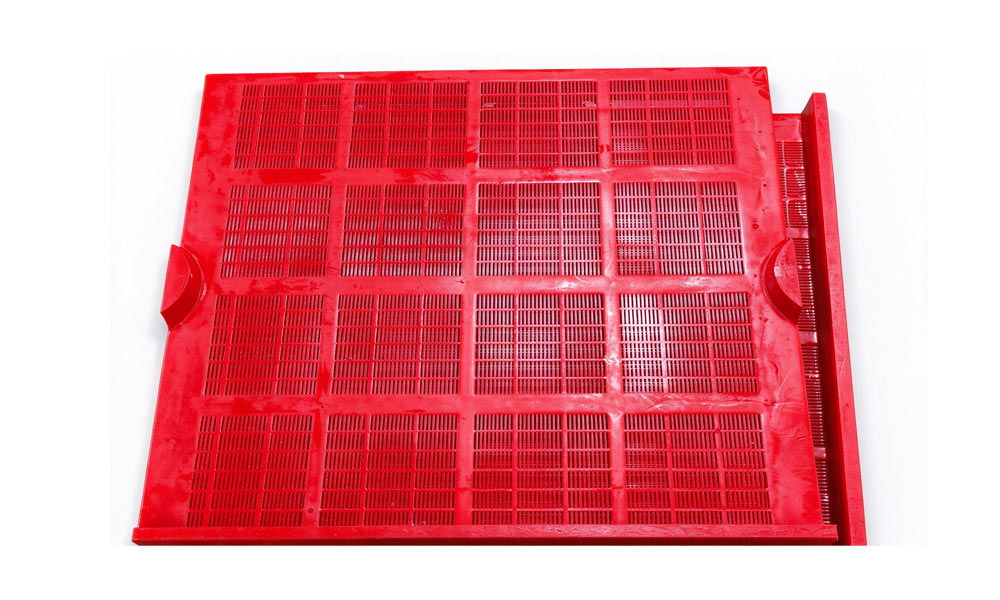
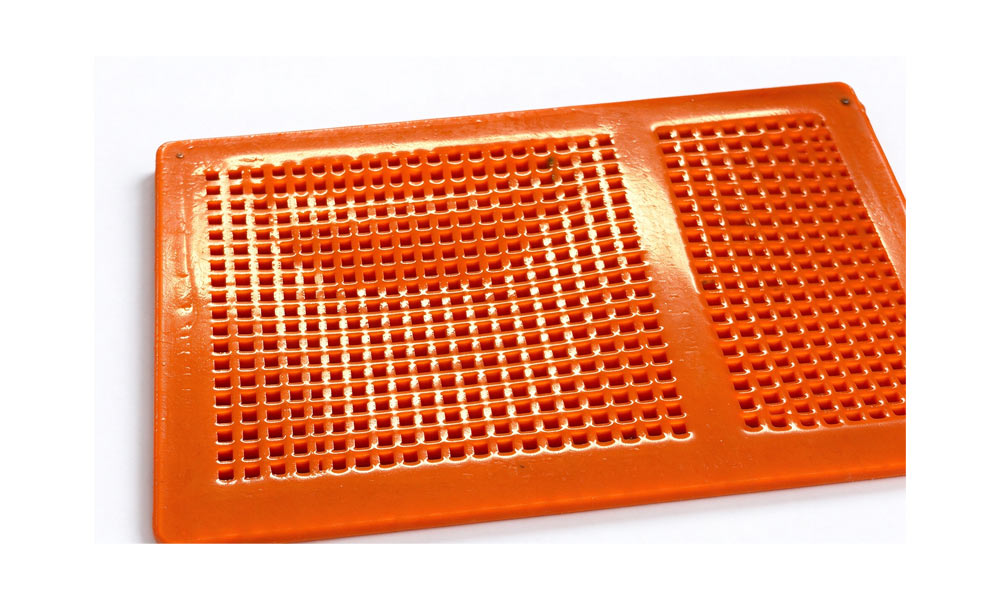
The final practical operational advantage that keeps your dewatering circuit running at maximum availability is the small modular panel construction of a Dewatering Polyurethane Screen Mesh, which lets you replace individual worn or damaged sections of the deck in minutes instead of swapping out a full heavy one-piece mesh. Traditional large one-piece metal dewatering mesh weighs 50kg or more, requiring two workers and a full 2-3 hours of downtime to remove, re-tension and reinstall a full new unit. The small modular PU panels weigh less than 3kg each, so a single maintenance worker can pop out a single damaged panel and lock a new one into place in less than 2 minutes, no special lifting tools or full deck disassembly required. Multiple large mineral processing sites shared that this modular design cut their total annual dewatering screen maintenance downtime from more than 120 hours to less than 15 hours a year.
It’s more than just tiny holes, though. Everything about these dewatering polyurethane screen mesh—precision apertures, tapered design that fights blinding, a flexible working surface, and quick-swap modular panels—works together. The result? You get better dewatering, lose fewer fines, maintain more consistent results, and deal with way less downtime. It’s a game changer for anyone serious about boosting reliability and profits in slurry and tailings treatment.