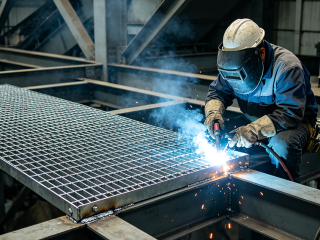
When it comes to locking down steel gratings in plants, mines, or industrial sites, the installation method matters—a lot The wrong setup doesn’t just annoy maintenance crews; it risks real safety hazards
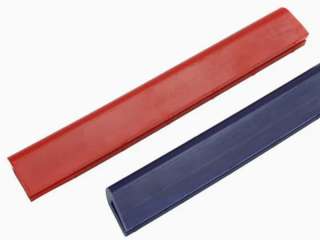
In the material screening process, the screen mesh is not the only key component; seemingly inconspicuous parts—such as the gaskets and dust-proof sealing strips on rubber vibrating screens—play a vital role
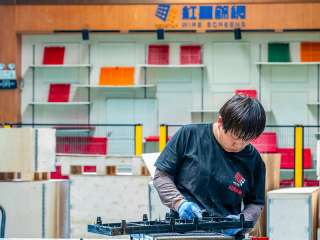
Under high pressure operating conditions, tear resistance and open area are the two critical parameters determining screening performance; a balance between them is essential to ensure the final quality of the screening process
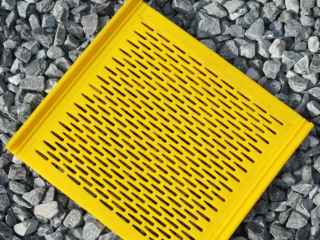
If you’ve ever tried to screen wet, sticky fines at high tonnage, you know the pain of blinding screens and soggy product That’s where polyurethane flip-flow screen panels come in—but not all panels are created equal
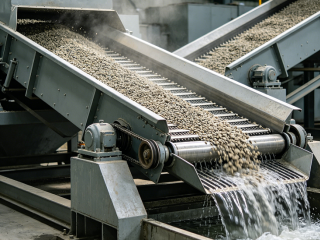
Standard vibrating screens often struggle with classification and dewatering recovery tasks,The linear excitation force design of linear vibrating screens breaks this efficiency bottleneck
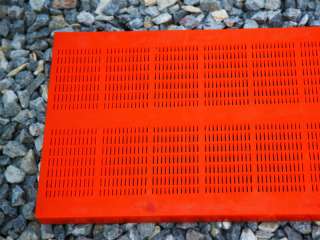
In the screening of sand and gravel aggregates, polyurethane modular screen panels offer comprehensive upgrades in terms of service life, maintenance, and efficiency
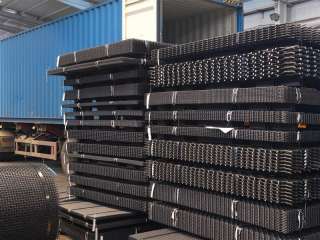
In mining and quarrying, the true cost of a Woven Wire Mesh panel is not the invoice—it is screened tonnes per millimeter of crown loss, changeout labor, crusher overload, and product that missed spec
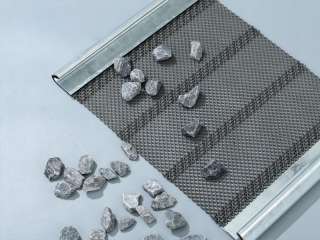
Rapid wear of a Metal Woven Screen in this process is rarely caused by a single dramatic failure; it is usually the slow accumulation of abrasive slurry mist
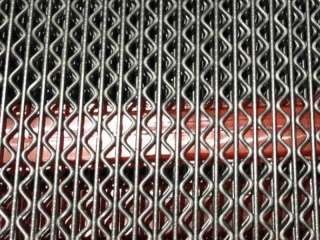
They start with the hole refusing to stay open, and that is exactly where a Triangle Self Cleaning Screen stops being a niche product and becomes the only sane option
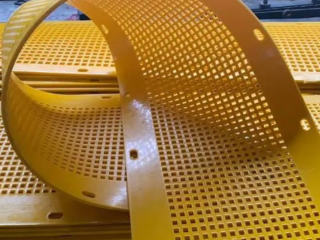
standard screens are prone to cracking and rapid wear during mineral processing screening,Therefore, more and more mining companies are turning to customized polyurethane screens
