Significant Advantages of Polyurethane Modular Screen Panels in Sand and Aggregate Screening
Anyone involved in sand and aggregate screening knows that standard steel screen plates can be worn through by sharp particles in less than two weeks. Issues like aperture clogging and material jamming are common, leading to significant downtime for cleaning and maintenance, which drastically reduces operational efficiency. The widespread adoption of polyurethane modular screen plates has solved this problem; while the initial cost is higher than that of standard steel plates, they offer superior cost-effectiveness in the long run.
Extended Service Life and Significantly Lower Maintenance Costs
Standard metal screen plates have an average lifespan of only 2–4 weeks when subjected to the constant friction of sand and aggregate. In contrast, the high wear resistance and elasticity of polyurethane modular screen plates allow them to last several times longer than steel screens. Factory data shows that after switching to polyurethane modular screens, the annual frequency of screen replacements dropped from 12 times to just 2–3 times. Monthly labor costs for screen replacement fell by 60%, and the need to frequently assign workers to hazardous high-altitude tasks for screen replacement was eliminated.
Wear Life That Beats the Abrasion Math
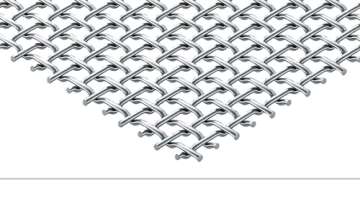
Aggregate is abrasion with a permit. Fine sand acts like sandpaper at 4 G, crushed stone chips the knuckle, and washed gravel carries grit that micro-cuts a steel wire until the aperture quietly grows past spec. A PU Modular Screen panel absorbs that abuse differently: the elastomer deforms, spreads the impact energy, and gives back instead of chipping like rigid steel. In silica sand, granite fines, and washed concrete aggregate, well-specified polyurethane commonly outlasts plain woven wire several times over, and on abrasive fine decks the panel can run months where steel cloth died in weeks. The real win is not the headline “8× wear life” from a brochure—it is aperture stability. Steel wears unevenly, the hole widens, oversize leaks forward, and the spec grade drifts before anyone measures it. A PU Modular Screen holds the molded opening far longer, so the 4 mm concrete sand stays 4 mm and the 10 mm aggregate does not quietly become 11 mm by the end of the campaign.
Tapered Holes and the Self-Cleaning Trick
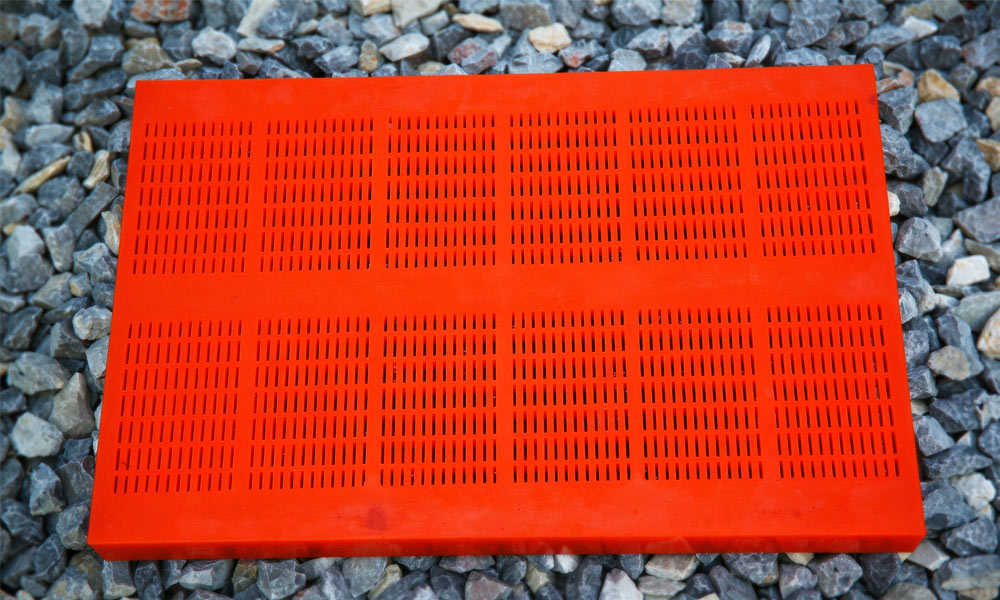
Wet sand is where rigid mesh embarrasses itself. Moisture makes near-size particles swell, stick, and peg in a square hole; the deck skins over; effective open area collapses; and the plant starts shipping “screened” product that is really a damp lump with ambitions. Polyurethane fixes this with shape, not superstition. Most PU Modular Screen panels use tapered or conical apertures—wider underneath, narrower on top—so a particle that enters is encouraged downward instead of parked in the mouth of the hole. Add the panel’s natural flex: every vibration cycle the bridge between apertures gives a little, the surface “breathes,” and near-size grains get ejected instead of nested. On a washed-sand circuit this turns blinding from an hourly fight into a background condition the deck manages itself. Operators still need spray bars and decent bed depth, but the difference is brutal in field terms—wire decks get scraped every few hours, PU modular decks keep screening while the crew does something else.
Modular Grid: Change One Block, Not the Whole Deck
The word “modular” is the part purchasing departments underestimate. A tensioned steel cloth fails as a system: one torn hook, one stretched section, one broken intersection near the support bar, and the whole sheet has to come off. A PU Modular Screen sits on a support grid as a matrix of 305×305 mm or 610×305 mm blocks, pinned, sleeved, or snapped into place. The feed end takes the lump load and wears out first; the discharge end barely sees impact. With modular media, the plant pulls three worn blocks in fifteen minutes and leaves the rest of the deck untouched. No full shutdown drama, no restringing, no three-man crew with gloves and a pry bar at height. For a sand-and-gravel plant running two shifts, that changeout math is the whole business case: steel saves money on the invoice and burns it back in labor, downtime, and lost throughput. PU modular screens cost more per block and pay back in fewer crane calls, fewer ladder incidents, and a stores shelf that holds ten panels instead of one enormous roll nobody can lift.
Modular Design Makes Replacement Easier and Reduces Time Costs
Replacing traditional full-sheet screen plates requires dismantling the entire screen frame, a process that takes at least several hours per machine. Polyurethane modular screens, however, feature a segmented design; only the damaged section needs to be replaced, leaving the rest of the screen structure intact. This drastically reduces the time required to change screens on a single machine, leading to a significant boost in operational efficiency.
Self-Cleaning and Noise-Reduction Functions
Rigid circular apertures in standard steel plates easily trap sand and aggregate particles, resulting in high clogging rates. Polyurethane modular screens feature tapered apertures and inherent elasticity; the resulting secondary vibration causes trapped particles to automatically eject, keeping the clogging rate below 5% and ensuring higher screening efficiency than steel plates. Additionally, the shock-absorbing properties of the polyurethane material reduce operating noise, eliminating the need for extra soundproofing enclosures and creating a more comfortable working environment for personnel.
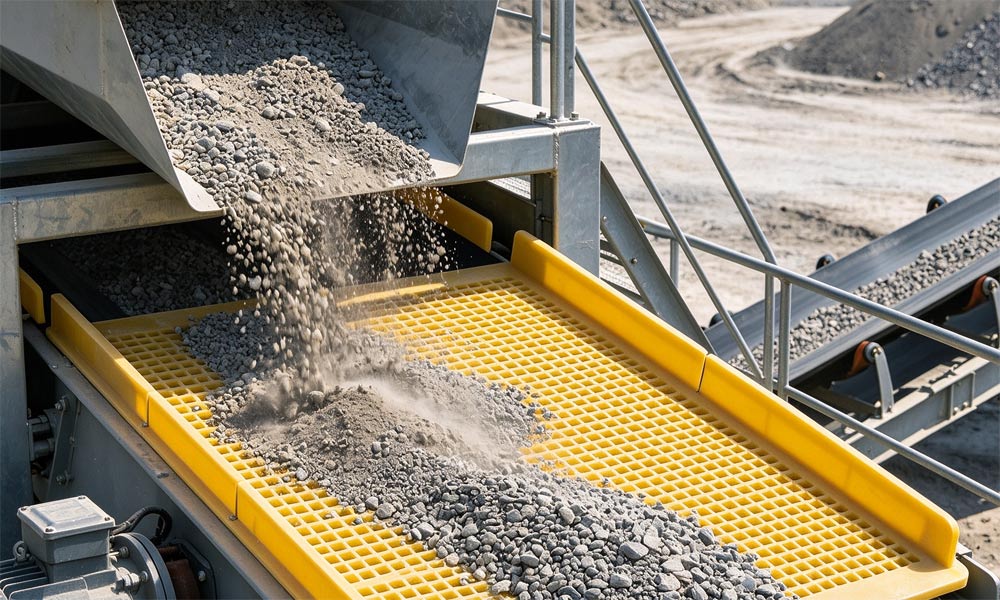
In the screening of sand and gravel aggregates, polyurethane modular screen panels offer comprehensive upgrades in terms of service life, maintenance, and efficiency. They allow for a full return on investment within six months of installation, making them the optimal choice for cost reduction and efficiency improvement in the industry. If you are looking to replace your screen panels, please feel free to contact us.