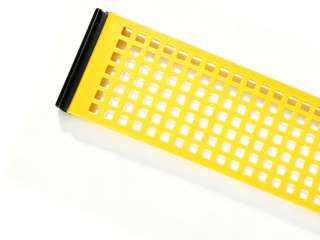
 Polyurethane tension Screens">
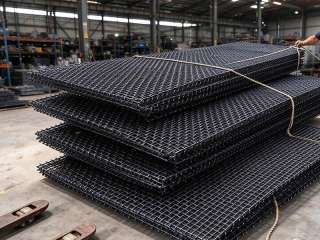 Screen Material and Type for the Rare Earth Ore Beneficiation Process">
For rare earth processing teams that often run into Screen clogging, a Screen of suitable material and type can not only extends service life 2 to 3 times, but also cuts down rare earth loss in tailings
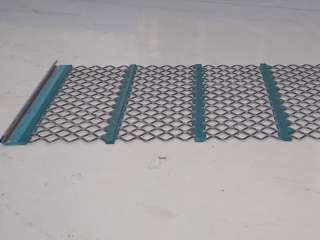 Screens for material Screening">
For aggregate processing, mining and construction waste sorting, the exact moisture content threshold to switch to self-cleaning Screens can save you 30% of unplanned downtime and boost your Screening efficiency
 Polyurethane Fine Screens in High-Concentration Slurry Screening">
Under high pressure operating conditions, tear resistance and open area are the two critical parameters determining Screening performance; a balance between them is essential to ensure the final quality of the Screening process
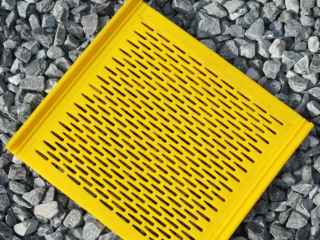 Polyurethane Flip-Flow Screen Panels">
If you’ve ever tried to Screen wet, sticky fines at high tonnage, you know the pain of blinding Screens and soggy product That’s where Polyurethane flip-flow Screen panels come in—but not all panels are created equal
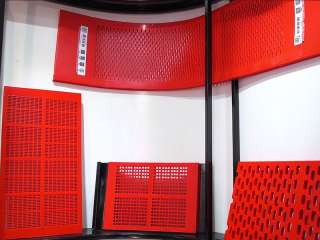 Polyurethane Fine Screens Revolutionize Precision Screening">
It blunts easily, stretches, and loses its accuracy This is where the Polyurethane fine Screen steps in It’s not just a replacement
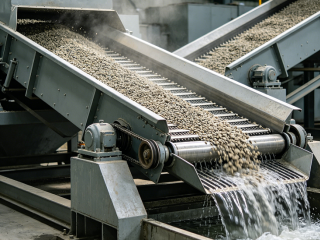 Screens in Classification and Dewatering">
Standard vibrating Screens often struggle with classification and dewatering recovery tasks,The linear excitation force design of linear vibrating Screens breaks this efficiency bottleneck
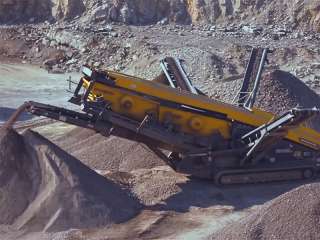 Screen Materials in High-Wear Iron Ore Processing Applications">
In the highly abrasive environment of iron ore processing, almost all mining operations have faced pitfalls regarding Screen selection Choosing the wrong Screen material increases direct expenses but also adds significant time costs
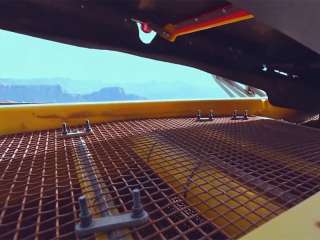 Screen and Equipment Suitable for Copper Mining and Crushing Processes">
In copper mining, Selecting the right Screening equipment and heavy-duty Screen media is crucial Screening isn’t a one-size-fits-all task
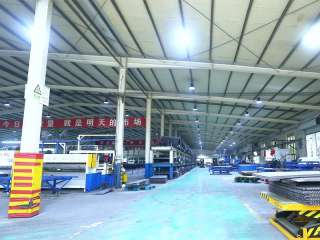
Do you frequently encounter issues with Screen blinding and particle wedging during material Screening? In fact, there is a significant difference between the two What are the causes of these problems, and how can they be resolved?
