 screen Panels in the Crushing and screening Process of Gold Ore">
Rubber screen panels have emerged as a superior solution, specifically engineered to withstand these dual challenges of severe abrasive wear from hard, sharp-edged particles
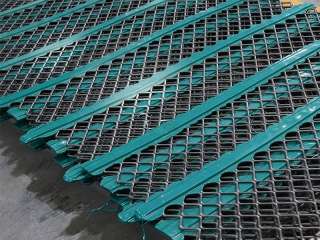 screen Blinding and Improving screening Efficiency in the Fine screening of Iron Ore Using Self-Cleaning screens">
The fine screening of iron ore is notoriously difficult, primarily due to the material s tendency to blind screens Moisture, ultra-fines, and clay bind together, clogging apertures and crippling throughput
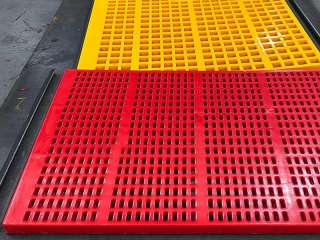 screen Panels: Reducing Manual Handling and Installation Time">
Replacing heavy, cumbersome screen panels is often a labor-intensive and time-consuming task, requiring multiple personnel and specialized equipment Lightweight polyurethane screen panels are engineered to directly address this challenge
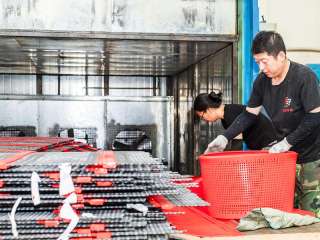 screen Panels">
Polyurethane screen panels are valued for their wear resistance and flexibility, but harsh chemical environments demand specialized formulations
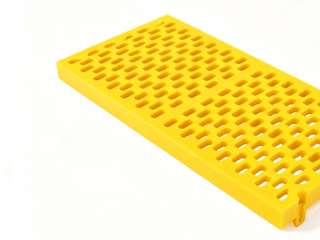 screen Panels">
Modular polyurethane screen plates have a service life that is 3-5 times longer than ordinary metal screen plates and approximately 5 times longer than rubber screen plates
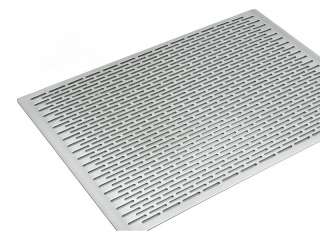 screen Selection Scheme for Tailings Dry-Stacking Dewatering">
Implementing a tailings dry-stacking system hinges on efficient solid-liquid separation, where the wedge-wire screen is a critical component
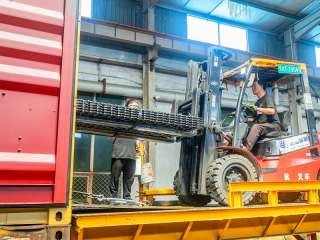 screen Based on Ore Hardness">
Choosing the right screen for mineral processing requires matching the equipment to the specific challenges of your ore s hardness Soft, clay-rich ores cause blinding and sticking, while hard, abrasive rocks lead to rapid wear
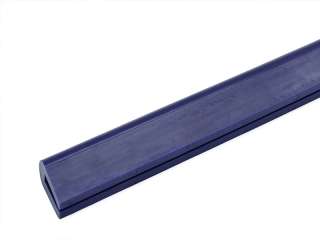 screen Clamping Strips">
screen clamping strips take a beating — impact from feed, constant vibration, and metal-on-metal friction wear them down until they lose grip
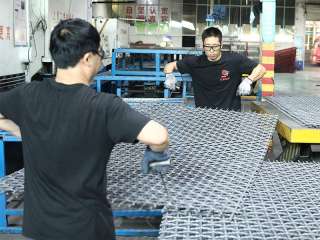 screens Used in Underground Mining">
Metal woven screens into that chaos without compromising performance or creating maintenance headaches is its own skill The real challenge isn t just picking a screen; it s making it fit
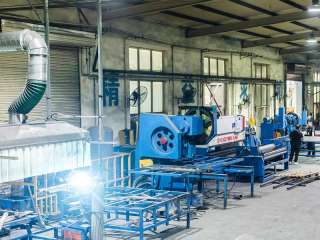
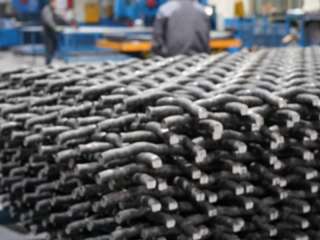 screen: From Raw Wire to Finished screen">
Most people grab a roll of woven metal mesh and never think twice about what went into it But behind every panel sitting on a vibrating screen is a production process that s more precise than you d guess
