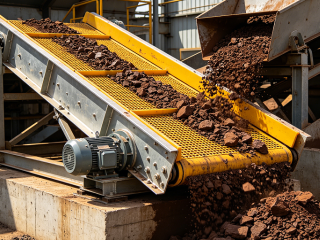
In the highly abrasive environment of iron ore processing, almost all mining operations have faced pitfalls regarding screen selection Choosing the wrong screen material increases direct expenses but also adds significant time costs
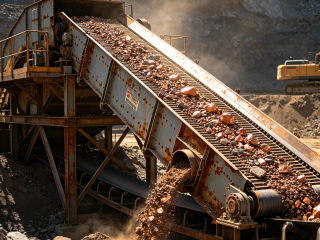
In copper mining, Selecting the right screening equipment and heavy-duty screen media is crucial screening isn’t a one-size-fits-all task
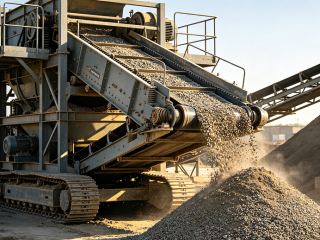
In modern sand-making plants, one-size-fits-all screening won’t cut it Different screening stages require the selection of different screen mesh configurations
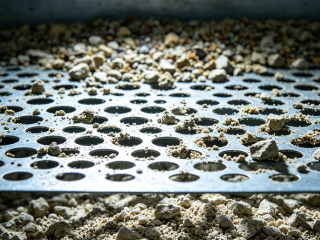
Do you frequently encounter issues with screen blinding and particle wedging during material screening? In fact, there is a significant difference between the two What are the causes of these problems, and how can they be resolved?
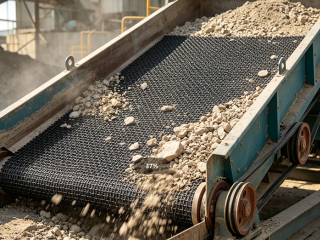
In mineral processing, a vibrating screen s performance is measured by its screening efficiency and screen-passing rate Here are five critical factors that determine how well it operates
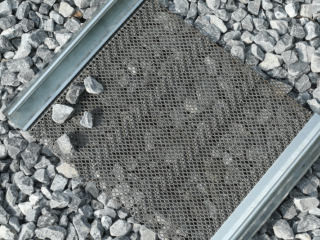
Excessive Feed Impact is the most common "killer " of your wire woven mesh The material coming out of the sand making machine slams against the screen at high speed, equivalent to hammering the wire every day
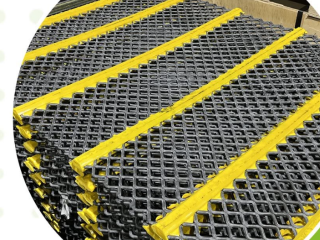
If you re running heavy-duty screening in mining or quarrying, you already know that standard mesh dies fast A high-carbon steel self-cleaning screen changes the game ,but only if you understand what s happening inside the material
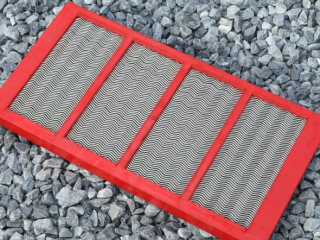
Insufficient tension on a self-cleaning screen doesn t just slow you down It quietly destroys your equipment and wrecks your output Here s what actually happens, and how to fix it with proper secondary tensioning
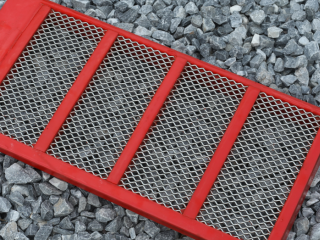
Clogging which is a kind of material wedging into the mesh is the number one silent killer of vibrating screen productivity The fix isn t more maintenance It s swapping to a self-cleaning screen
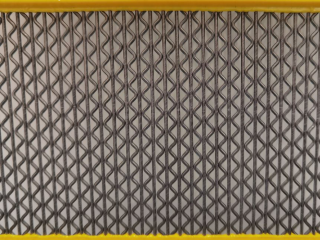
If you are screening wet, sticky, or fine materials and your equipment keeps clogging every few hours, a triangle self-cleaning screen might be a good solution
