When it comes to handling abrasive, high-volume materials in mining and aggregate operations, screen failure isn't just an inconvenience ,it's lost revenue. That's exactly why more operations are turning to polyurethane cross tensioned screen panels. They're not just tougher than steel. They're engineered differently.
Why Cross Tensioning Changes the Game
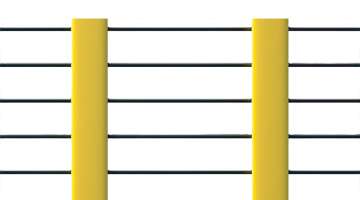
Traditional screens rely on a flat or slightly curved deck under static load. A polyurethane cross tensioned screen takes a different approach. The screen cloth is pre-tensioned in two directions :lengthwise and widthwise ,creating a grid-like stress distribution. This means when a heavy lump hits the surface, the force doesn't concentrate in one spot. It spreads. The result? Significantly less deformation and longer panel life under high-load conditions.
Material Matters: Polyurethane vs Steel Wire
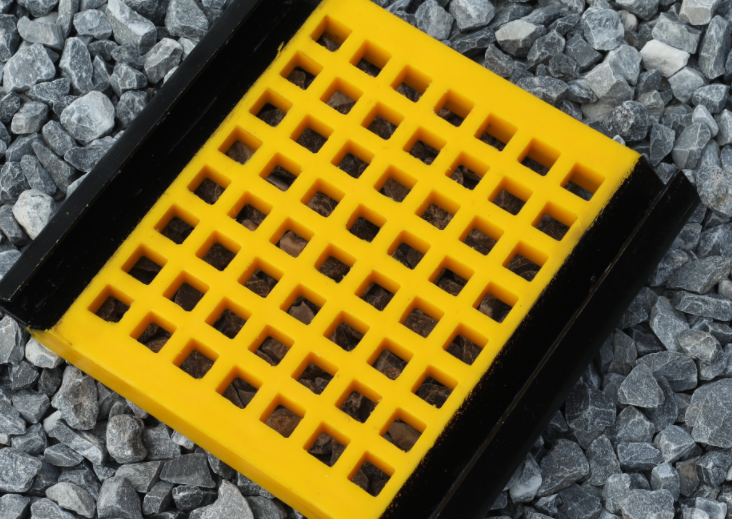
Steel wire screens handle impact well but suffer from fatigue cracking and corrosion. Polyurethane, on the other hand, absorbs shock without permanent deformation. A polyurethane cross tensioned screen panel typically lasts 3 to 5 times longer than equivalent steel wire in abrasive applications. The cross tensioning further amplifies this advantage by reducing localized wear patterns that normally cause premature failure.
Real-World High-Load Applications
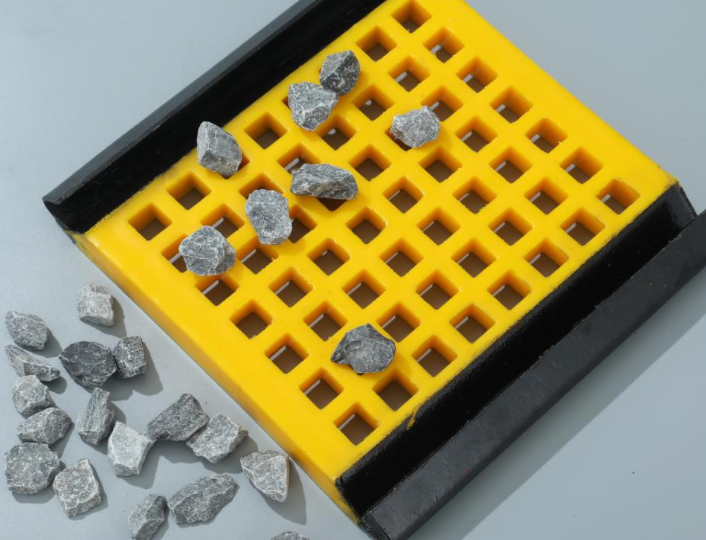
ThesePU screens shine where others quit. Think iron ore processing, coal washing, and heavy aggregate classification,which anywhere feed rates exceed 1,000 tph and material hardness pushes above 7 Mohs. Operators using polyurethane cross tensioned screen systems report up to 40% reduction in screen replacement frequency and noticeably more consistent cut points over time.
Don't just buy the panel ,you must design around it. Match your tension ratio to your feed characteristics. A 1:1 tension balance works for uniform material, but skewed ratios handle eccentric loads better. Also, keep your support structure rigid. The whole point of a polyurethane cross tensioned screen is that the tension does the work,but only if the frame doesn't flex underneath it.