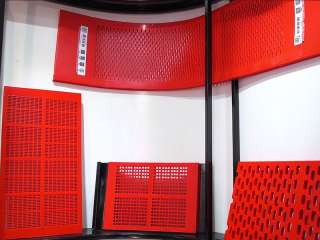
It blunts easily, stretches, and loses its accuracy This is where the polyurethane fine screen steps in It’s not just a replacement
 Wire Screens in Precision Grading and Aperture Stability">
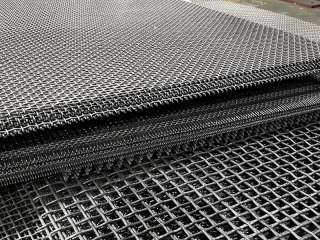
The advent of lock-crimp woven Wire screens has resolved the issue of aperture deformation, thereby enhancing overall screening efficiency
 Wire Shift and Ensures Long-Term Screening Accuracy">
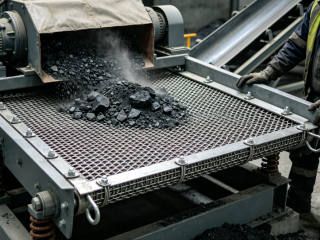
Choosing a lock-crimp woven Wire screen is a strategic decision for any operation that values precision By mechanically locking the Wires in place, this design prevents the dreaded Wire shift that plagues standard Meshes
 Wire Screens in Mining and Quarrying Industries">
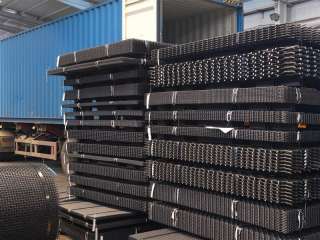
In mining and quarrying, the true cost of a Woven Wire Mesh panel is not the invoice—it is screened tonnes per millimeter of crown loss, changeout labor, crusher overload, and product that missed spec
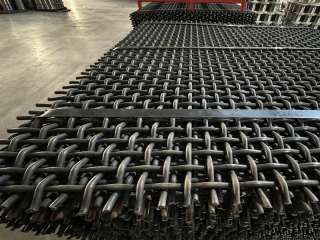 Wire Screen: Why It Performs Exceptionally Well in the Coarse Screening of Large Ore">
If you frequently replacing screens, the issue may be the choice of screen, Heavy-duty metal screens are specifically engineered to withstand such demanding operating conditions, and their superior performance is well-proven
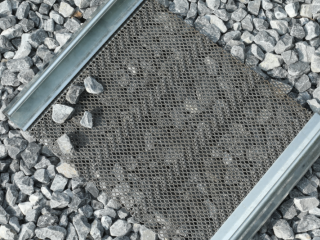
Anyone who has ever screened fine particles knows that these materials often clog the screen,leading to a decrease in throughput The D-type diamond self-cleaning screen is designed to solve these problems
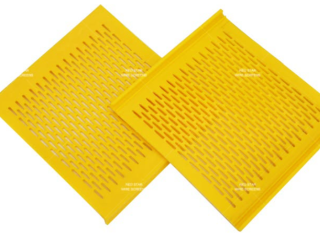
Traditional woven screens are not suitable for handling sticky or wet materials, Polyurethane Flip-Flop Screens are precisely the solution to these problem of the efficiency of Traditional screens
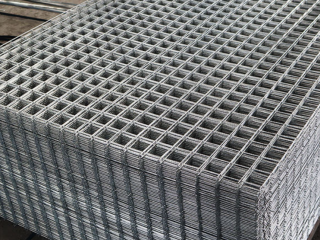 Mesh in Wastewater Treatment">
For any wastewater treatment plant, screens are not merely consumables, but key performance drivers Choosing corrosion-resistant stainless steel woven screens means less downtime, lower replacement costs, and more stable effluent flow
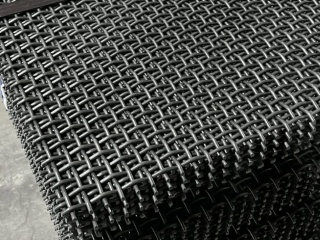 Mesh a top choice in the food and chemical industries">
What you use for sifting, filtering, and protecting stuff really affects how good the product is and how fast you can make it 304 stainless steel woven Mesh is one of the most common materials used in these two fields

When others say:“Let’s talk about it tomorrow ”We say:Come now Because in mining,waiting is not an option Orders
