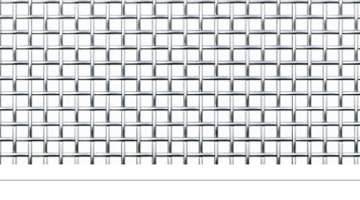
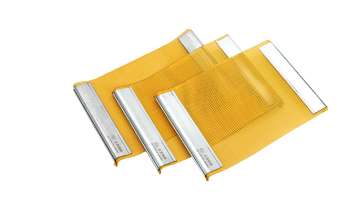
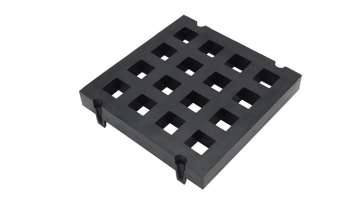
Heavy-Duty Wire Woven Screen for Coarse Ore Screening
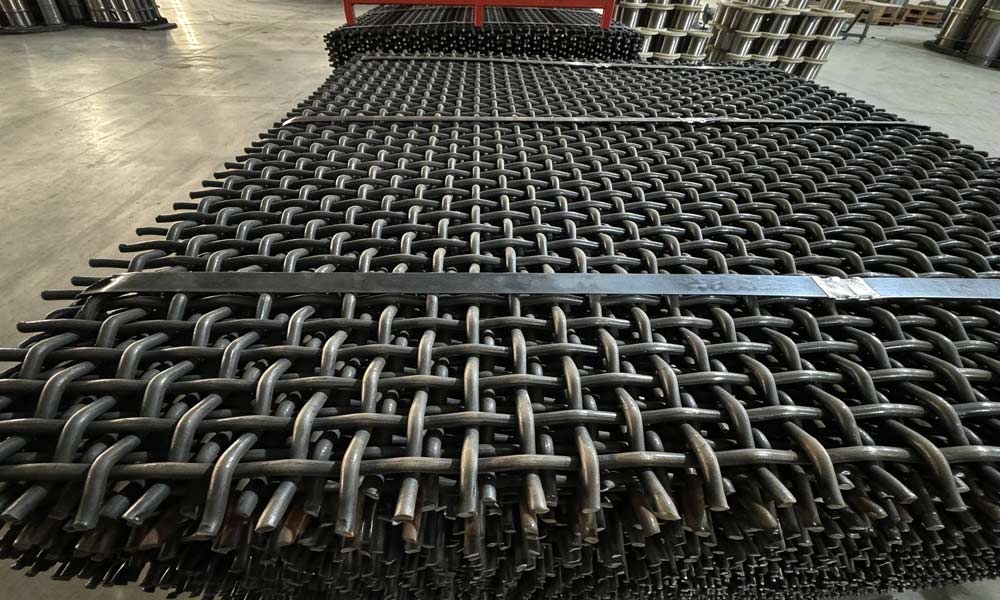
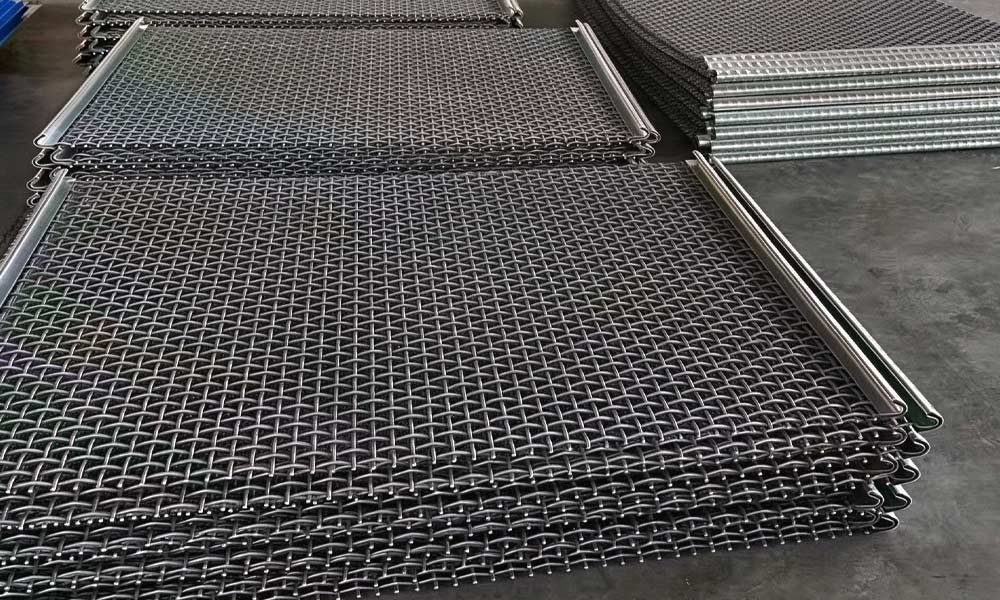
Selecting the right screen is crucial for the coarse screening of large ores. If you find yourself frequently replacing screens during this process, the issue may not lie with the equipment itself, but rather with the choice of screen. Heavy-duty wire screens are specifically engineered to withstand such demanding operating conditions, and their superior performance is well-proven. Coarse ore screening is a brutal job that punishes ordinary mesh almost immediately, and that is why plants handling run-of-mine rock, primary crushed ore, or heavy mineral concentrates eventually stop experimenting with light panels and move to something built for impact. A Heavy-Duty Wire Mesh is not simply a thicker version of a fine screen; it is a completely different engineering object where wire diameter, crimp style, support bar spacing, and edge construction are all tuned so the deck can take massive lumps, constant pounding, and abrasive scouring without losing its aperture or its shape. Once you understand how this mesh behaves under loads that would fold a standard screen in a single shift, it becomes clear why coarse ore circuits around the world keep coming back to heavy-duty woven construction instead of chasing thinner, cheaper alternatives.
Built to Absorb the First Violent Impact From the Crusher
The moment ore leaves a primary crusher, it does not gently settle on the screen — it lands, slides, and sometimes drops several inches onto the deck like thrown ballast, and this is exactly where Heavy-Duty Wire Mesh proves its value. Thicker wires and deeper crimps create a surface that flexes just enough to dissipate impact energy instead of transmitting every shock straight into the frame, so the panel survives the kind of feed that would punch holes in a standard woven screen within hours. In a real crushing plant, the first meter of the deck takes the worst of it: oversize boulders, tramp steel, and jagged fragments all arrive together, and a heavy-duty weave spreads those loads across multiple wire intersections rather than letting one crossing bear the full blow. That impact tolerance is the reason operators stop seeing “mystery holes” near the feed end and start getting predictable wear across the whole panel instead.
Aperture Integrity Under Constant Abrasion and Heavy Load
Coarse ore is rarely clean; it usually arrives with sharp edges, embedded grit, and a constant rain of smaller fragments scraping across the surface as the deck vibrates, which makes aperture stability the second big advantage of Heavy-Duty Wire Mesh. Lighter screens lose their calibration quickly because the crowns of thin wires get shaved down, the openings widen, and suddenly the plant is shipping minus-150 mm material through what was supposed to be a 100 mm deck. A heavy-duty panel resists that creep: the wire cross-section is large enough to sacrifice a millimeter of surface without changing the screening result, and the crimp geometry holds the wires in place so they cannot rotate or drift under load. For coarse separation, this means the cut size stays honest across the campaign, and the downstream cone or SAG mill does not get choked by material that should never have passed.
Less Downtime Because the Deck Refuses to Quit Early
Anyone who has changed a torn screen during a night shift knows the hidden cost is never just the mesh — it is the loader sitting idle, the conveyor stopped, the crew waiting in the dust, and the production target slipping further behind with every minute, which is why Heavy-Duty Wire Mesh earns its keep through uptime more than through any single performance number. A properly specified heavy panel may cost more on the purchase order, but it removes the weekly fire drill of patching weak spots, re-tensioning sagging sections, and pulling out panels that ripped at the hook strip after one bad feed surge. In large ore operations, the math is straightforward: a deck that runs four times longer and needs one changeout instead of five pays for itself in labor, lost tonnage, and supervisor headaches long before the accounting department finishes debating the unit price.
Compatibility With Scalping, Grizzly Zones, and Harsh Sites
What makes Heavy-Duty Wire Mesh especially suited to coarse ore is that it does not demand a gentle environment to perform, and it slots neatly into the roughest parts of the circuit where rigid grizzlies and rubber panels often fall short. In scalping duty ahead of the primary crusher, it shrugs off wet clay clumps, frozen ore in winter sites, and mixed lump-and-fines feeds that would bridge on static bars or tear flexible mats. Because the weave can be opened up for very coarse cuts yet still retain enough active area to let fines fall away, it gives plants a living, breathing scalp screen rather than a fixed obstacle that either passes everything or blocks the belt. On remote sites where a screen change means a two-hour haul and a tired crew, that adaptability is worth more than any marginal gain in open area a lighter product might promise.
Specify for the Lump, Not the Catalog Number
Heavy-Duty Wire Mesh is not a magic item you drop into any deck and forget about, but when it is matched to the ore size, crusher setting, vibration stroke, and support structure, it turns the meanest part of the plant into the most predictable one. The reason it performs so well in coarse ore is boring in the best way: bigger wire, smarter crimp, stronger edges, and a design philosophy that assumes the material will try to break the machine and plans accordingly. If your coarse screen is tearing too fast, blinding with oversize, or quietly widening every week until quality control starts complaining, send us your ore gradation, crusher discharge size, and deck dimensions, and we will specify a heavy-duty woven screen built for your lump size and your tonnage — not for a brochure.