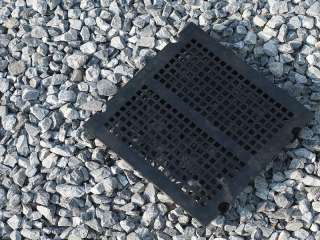
 Rubber Screen Meshes on Material Screening Efficiency">
If you’ve ever swapped out a Rubber screen mesh panel only to find your material throughput still lags or your end product doesn’t hit the right gradation, the issue might not be your machine speed, it’s the aperture shape you’re using
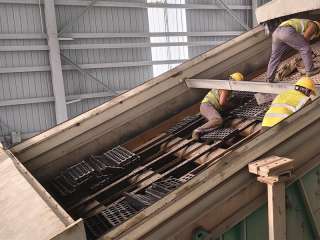 Rubber Panels: Taking the Hit in Iron Ore Screening">
In the punishing world of iron ore screening, heavy-duty Rubber panels prove their value by absorbing massive impacts, resisting abrasion and corrosion, and lowering noise
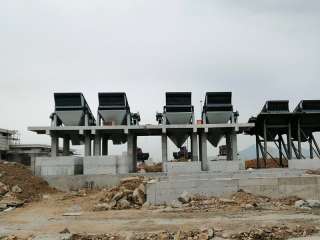 Rubber Screen Panels Dominate Primary Dry Screening">
For dry screening large, high-impact materials, mining Rubber screen panels aren t just an alternative; they are the gold standard They bring a unique set of advantages that steel simply can t match
 Screens: Maintaining Wear Resistance and Cleaning Properties Under High-Frequency Vibration">
Mining, quarrying, or recycling screening operations often face problems such as rapid screen wear and material accumulation, leading to increased downtime and impacting production profits PU-reinforced self-cleaning Screens change this situation
 Screens in Primary Crushing: How They Handle Large Ore Pieces">
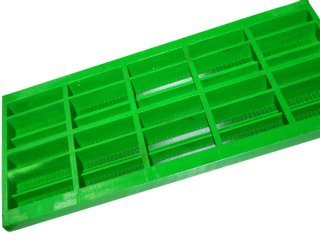
The shift toward heavy-duty polyurethane Screens isn t a trend It s a response to real wear problems when you re throwing 300mm+ ore at a screen deck at full belt speed
 Rubber Composite Screen: A New Composite Material for Heavy-Duty Mining Screening">
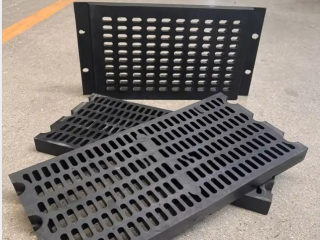
steel-Rubber composite Screens have emerged as a new type of composite screening material, perfectly meeting the high-intensity operation requirements of modern heavy-duty mining screening projects
 Rubber screen more durable than the metal screen?">
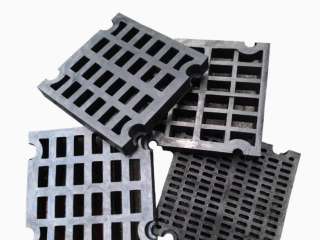
Rubber screen is not necessarily more durable than metal screen Both have their own advantages and disadvantages, depending on the use environment and needs
 Screens: ensuring efficiency and safety">
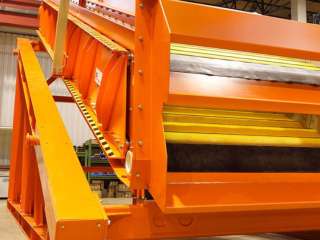
Polyurethane Screens have been widely used in the field of industrial screening due to their excellent properties such as wear resistance, corrosion resistance, and high strength
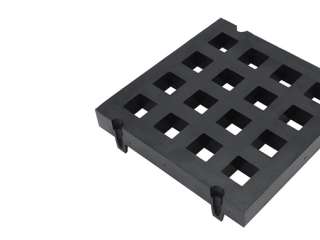 Rubber Screen">
Modular Rubber Screens are bolt-on snap-in modular screening media designed for heavy-duty vibrating screen decks
