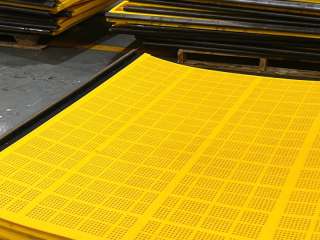
 Polyurethane Screen Panels to extend service life">
In mineral processing, vibrating Screen Panels face constant stress, and failure often begins at the edges While Panel aperture determines separation, edge integrity dictates overall lifespan
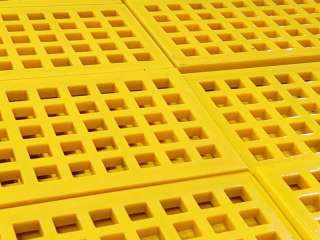 Polyurethane Screen Panel Replacement Cycles: Wear Monitoring and Spare Parts Planning">
The solution of unplanned Screen Panel failures is shifting from reactive replacement to a predictive system for Polyurethane Screen Panel replacement cycles based on wear monitoring and data-driven spare parts planning
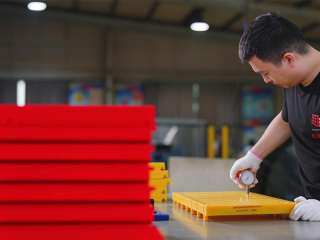 Polyurethane Screen Panels">
As industries prioritize sustainability, managing waste Polyurethane Screen Panels has become a key challenge Their robust design complicates disposal, making simple landfilling wasteful and increasingly costly
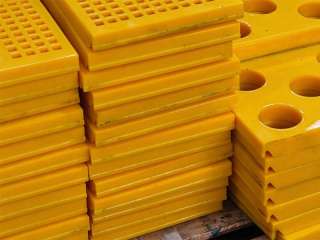 Polyurethane Screen Panel Bolt Hole Design and Quick-Assembly Structure Analysis Guide">
A Polyurethane Screen Panel s performance hinges on how securely it s mounted The attachment system is crucial for stability and minimizing downtime
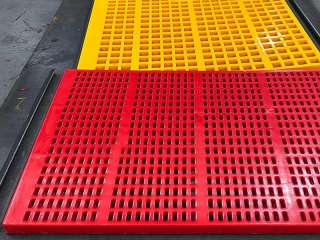 Polyurethane Screen Panels: Reducing Manual Handling and Installation Time">
Replacing heavy, cumbersome Screen Panels is often a labor-intensive and time-consuming task, requiring multiple personnel and specialized equipment Lightweight Polyurethane Screen Panels are engineered to directly address this challenge
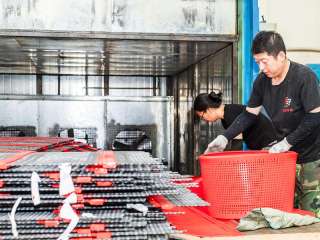 Polyurethane Screen Panels">
Polyurethane Screen Panels are valued for their wear resistance and flexibility, but harsh chemical environments demand specialized formulations
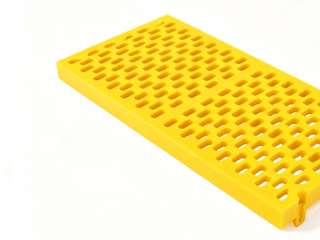 Polyurethane Screen Panels">
Modular Polyurethane Screen plates have a service life that is 3-5 times longer than ordinary metal Screen plates and approximately 5 times longer than rubber Screen plates
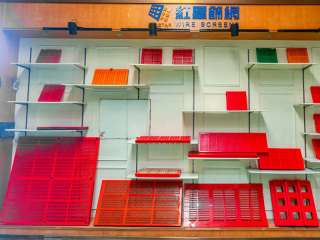 Polyurethane Screen Panels">
For plant operators, identifying manufacturing defects in new Polyurethane Screen Panels is crucial to avoid premature failures A systematic acceptance check ensures you install Panels fit for purpose
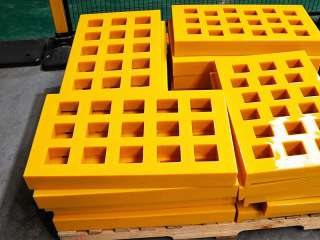 Polyurethane Screen Panels in Phosphate Ore Beneficiation">
Polyurethane Screen Panels sound like a great choice—they’re known for standing up to wear—but if they can’t handle both the grinding and the acid, you’re going to see a lot of downtime and wasted money
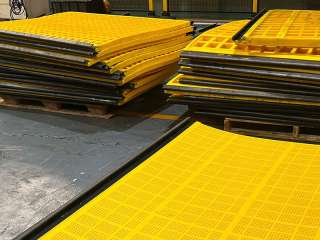 Polyurethane Screen Panels Fight Adhesion and Statics In Graphite Ore Areas">
If your current Screens keep gumming up with graphite fines, don t just blame the feed Blame the Panel Anti-adhesion and anti-static Polyurethane Screen Panels exist specifically for this headache
