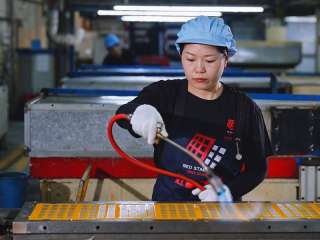
 polyurethane Screens In Preventing Clogging for Screening Sticky Materials">
Processing sticky, high-moisture materials like clay-rich spodumene is a constant fight against screen blinding The structural design of polyurethane screens tackles this problem at its source
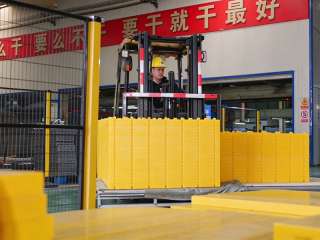 polyurethane Fine Screens in Lithium Ore Beneficiation">
With global demand for battery-grade lithium constantly outpacing supply, spodumene plants are getting creative and relentless about squeezing more efficiency out of every part of their process Shifting to fine polyurethane screens is necessary
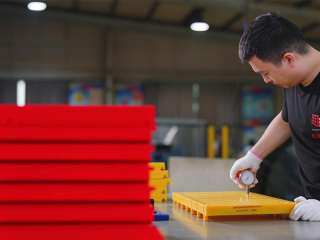 polyurethane Screen Panels">
As industries prioritize sustainability, managing waste polyurethane screen panels has become a key challenge Their robust design complicates disposal, making simple landfilling wasteful and increasingly costly
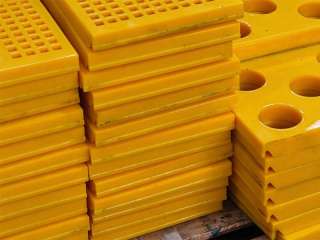 polyurethane Screen Panel Bolt Hole Design and Quick-Assembly Structure Analysis Guide">
A polyurethane screen panel s performance hinges on how securely it s mounted The attachment system is crucial for stability and minimizing downtime
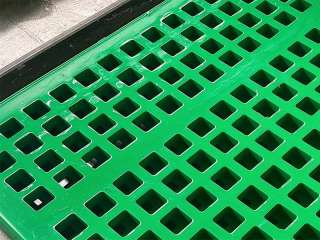 polyurethane Screens and Respective Application Scenarios">
Selecting the right polyurethane screen panel requires careful consideration of aperture shape, as it directly impacts performance For polyurethane screen panels, the three primary shapes—round, square, and slotted apertures
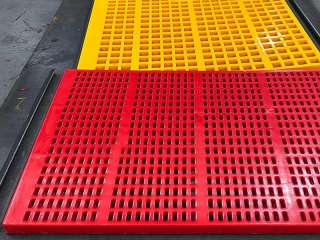 polyurethane Screen Panels: Reducing Manual Handling and Installation Time">
Replacing heavy, cumbersome screen panels is often a labor-intensive and time-consuming task, requiring multiple personnel and specialized equipment Lightweight polyurethane screen panels are engineered to directly address this challenge
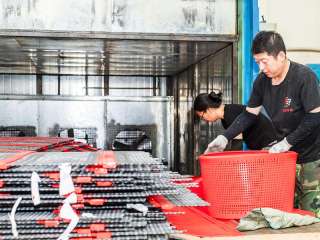 polyurethane Screen Panels">
polyurethane screen panels are valued for their wear resistance and flexibility, but harsh chemical environments demand specialized formulations
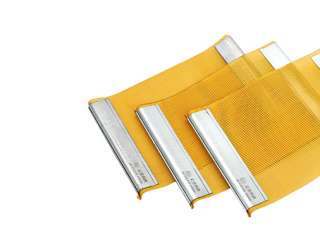 polyurethane Elastic Screen">
The steel wire mesh is coated with abrasion-resistant polyurethane, with synthetic fibers running vertically and st
 polyurethane dewatering screen">
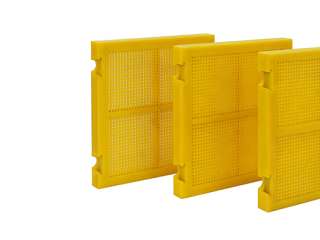
Made primarily of polyurethane elastomer (PU), with some internal steel reinforcement, and gaps ranging from 0 1mm
 polyurethane Flip Flow Screen">
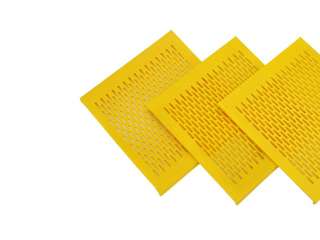
It is especially suitable for screening fine, sticky, and moist materials - The polyurethane flip flow screen has
