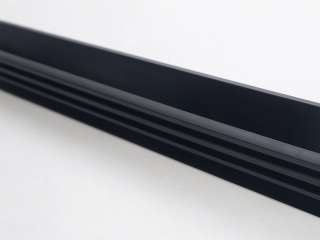
While metal clamping strips have their place, polyurethane strips are the clear winner for most modern screening and conveying operations Their superior resistance to vibration, corrosion, and abrasion translates directly into longer service life
 screening">
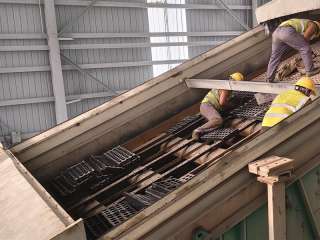
In the punishing world of iron ore screening, heavy-duty rubber panels prove their value by absorbing massive impacts, resisting abrasion and corrosion, and lowering noise
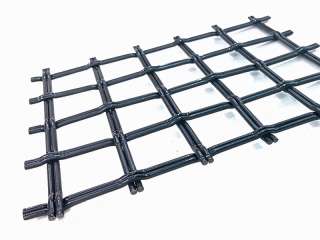
The structural stability advantages of double crimped screens and their reliable application performance in mineral processing make them one of the most underrated cost-saving upgrades for modern concentrators
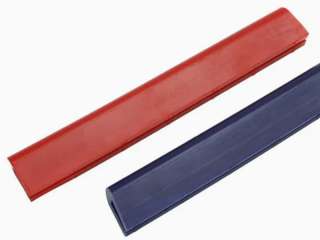
In the material screening process, the screen mesh is not the only key component; seemingly inconspicuous parts—such as the gaskets and dust-proof sealing strips on rubber vibrating screens—play a vital role
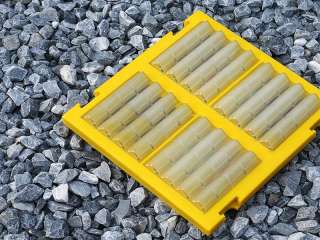 screen Dewatering Panels During Tailings Dry Stacking">
Today, the industry is moving toward tailings dry stacking, and at the heart of this revolution is a powerful duo: the high-frequency polyurethane fine screen and its star player of dewatering panel
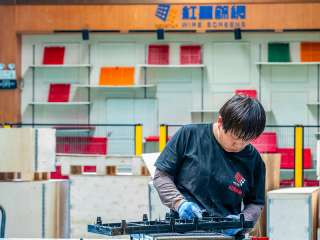 screens in High-Concentration Slurry screening">
Under high pressure operating conditions, tear resistance and open area are the two critical parameters determining screening performance; a balance between them is essential to ensure the final quality of the screening process
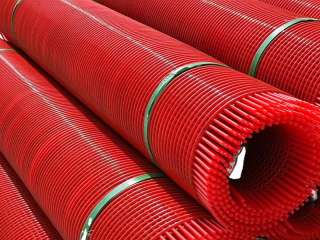 screens: Silencing the Noise and Sticky Mess">
Enter the polyurethane-coated bar screen This isn t just another screen; it s a smart hybrid that uses polymer science to solve the age-old problems of blinding and noise, making your operation both quieter and more efficient
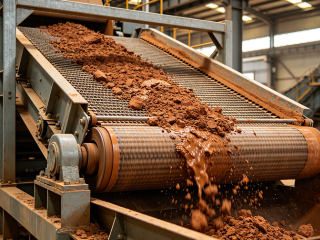 screening Challenges with sticky Materials and the Solution Offered by Self-Cleaning Flip-Flow screens">
Traditional screens cannot withstand the challenges posed by such sticky materials, resulting in substandard throughput and lower screening efficiency The advent of self-cleaning flip-flow screens has resolved this problem
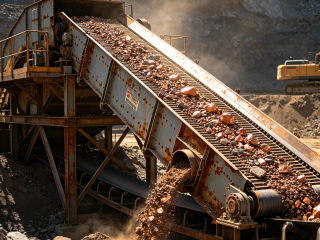 screen and Equipment Suitable for Copper Mining and Crushing Processes">
In copper mining, Selecting the right screening equipment and heavy-duty screen media is crucial screening isn’t a one-size-fits-all task
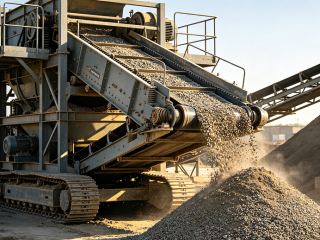 screen Configuration Schemes and Cost Control for Various Stages of Modern Aggregate Sand-Making and screening">
In modern sand-making plants, one-size-fits-all screening won’t cut it Different screening stages require the selection of different screen mesh configurations
