Vibrating Screen Troubleshooting: Common Faults & Routine Inspection Guide
Does your vibrating screen equipment frequently run into issues? In fact, simply carrying out routine inspections can significantly reduce the occurrence of those minor problems.
It is Probably Not Just “Wear and Tear” of Screen Damage
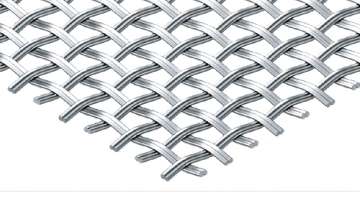
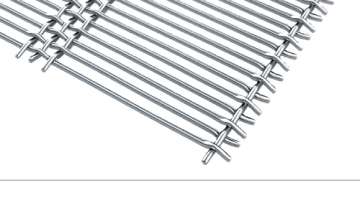
You’ve noticed holes popping up in your screen mesh faster than usual—maybe even after just a few weeks. Before you order a new one, check the tension. Loose mesh flaps around like a flag in a storm, slamming into the frame and tearing itself apart. Also, ask yourself: are you screening abrasive materials like crushed granite or recycled concrete? Harder feed equal to faster wear. Don’t just replace it—adjust your feed rate or consider a heavier mesh grade next time. A little prevention saves a lot of cash.
Bearing Overheating and Exciter Wear
The bearing is where most screens die first, because it carries high-frequency load, shock from the deck, and usually a healthy dose of dust if the seals are tired. Normal exciter or screen bearings should run warm, not hot; when the housing climbs well past the normal operating range, something is already wrong. The usual suspects are the wrong grease or too much of it, contaminated lubricant from slime and fine ore, damaged labyrinth seals, misaligned shafts, eccentric-block angles that drifted after maintenance, or standard-clearance bearings used where vibrating-duty clearance is required. A Vibrating Screen Equipment operator who waits for smoke has already waited too long—grinding noise, temperature creep, and rising motor current are the real alarm bells. The fix is boring but reliable: use the OEM-specified high-temperature EP grease, purge old grease on schedule, keep seals intact, fit vibrator-grade bearings, and check exciter weights symmetrically after every teardown. Bearing life is rarely a bearing problem; it is a lubrication-and-contamination discipline wearing a bearing costume.
Structural Cracks, Loose Bolts, and Twisted Motion
Side plates do not crack because the steel is weak; they crack because stress keeps finding the same corner. Uneven spring heights, loose Huck bolts, mismatched eccentric masses, material build-up around isolation frames, resonance with the support structure, and welded joints that were never stress-relieved all pile load onto one zone until the metal fatigues. A Vibrating Screen Equipment frame that starts knocking, twisting, or bouncing unevenly is telling you the motion vector is wrong: feed-end stroke and discharge-end stroke no longer match, the orbit angle drifts, and the deck stops moving like one body. Plants that tighten bolts only during breakdowns are financing cracks. The better habit is torque-checking structural fasteners on a route, measuring spring compressed height as a matched set, checking stroke and orbit with a portable analyzer, removing material build-up around springs and frames, and adding reinforcement plates near the exciter area when crack history says so. Riveted or bolted structural details often outlive welds in high-cycle vibration, and a screen that is level, balanced, and clean will outlive a stronger screen that is abused.
Screening Quality Drops: Blinding, Pegging, and Bad Feed
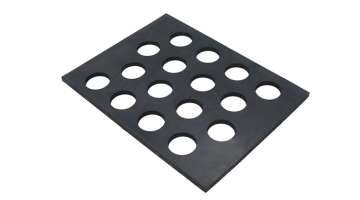
Sometimes the machine is fine and the result is still terrible, because screening quality is a feed-and-media problem before it is a mechanical problem. Wet clay, slimes, near-size rock, uneven chute discharge, excessive bed depth, wrong stroke for the PSD, worn apertures, torn mesh at the clamp rail, and side liners packed with material all push efficiency down. A Vibrating Screen Equipment deck that blinds looks full but separates nothing; one that pegs holds individual stones in the holes; one that is fed off-centre runs material down the left side while the right half naps. The cure is not “buy better mesh” alone—it is feed engineering: centre the chute, fit a distributor, meter the tonnage, match stroke and deck angle to the ore, choose PU or self-cleaning media for sticky fractions, replace panels by aperture drift instead of mood, and reseal edges so fines cannot bypass. Oversize in the product is almost never a mystery once someone actually looks at the deck from both sides with the machine locked out.
Abnormal Vibration of the Exciter May be Caused by Balancing Issues
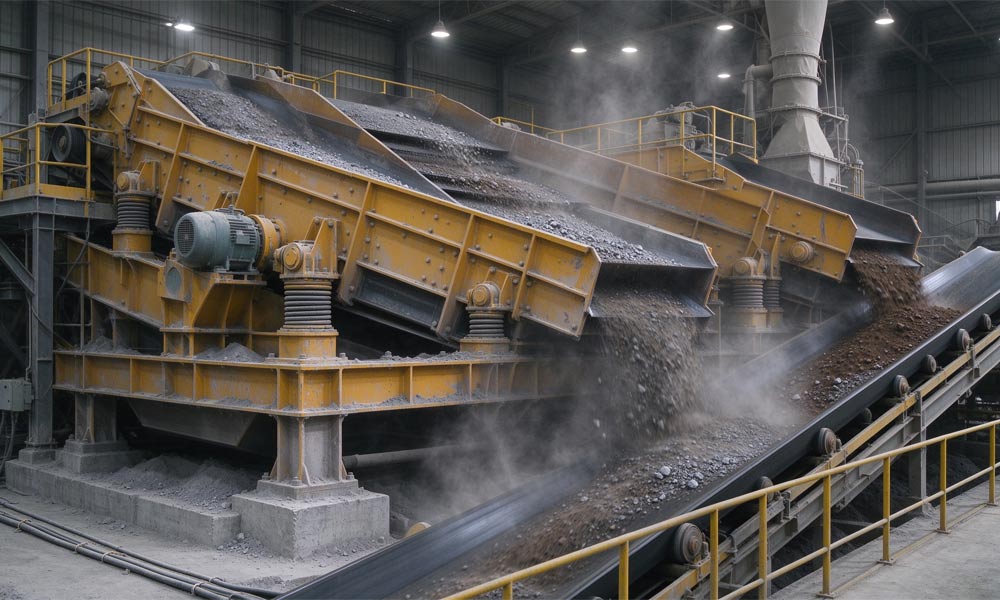
If your vibrating screen’s shaking like it’s got a hangover, the exciter’s probably out of whack. Start by shutting down power and giving the eccentric weights a quick visual check. Are they loose? Tighten those bolts—every single one. Even a 1mm misalignment throws off the whole vibration pattern. And don’t skip the lubrication. Dry bearings scream before they fail. Use the right grease, not whatever’s sitting in the toolbox. A quick weekly wipe-down can extend your exciter’s life by years.
Why Is the Vibrating Screen Running Hot
Overheating isn’t normal. If your exciter housing is too hot to touch, it’s screaming for attention. Common culprits? Overloaded motor, misaligned pulleys, or poor ventilation around the unit. Make sure airflow isn’t blocked by dust buildup or nearby the vibrating equipment. Also, verify your motor’s amp draw matches the nameplate. Too high? You’re overworking it. A simple thermal camera can catch this before it turns into a $5k repair.
Still Having Issues? Start a Simple Logbook
Keep a one-page log: date, symptoms, what you checked, what you fixed. No fancy software needed—just a notebook. Patterns emerge fast. Maybe every time you switch to limestone, the mesh dies in 10 days. Or the exciter always overheats after weekend runs. That is your real diagnostic tool. Most pros swear by this. It turns guesswork into strategy.
Vibrating screens aren’t magic,they’re mechanical. Treat them with a little respect, and they’ll return the favor.