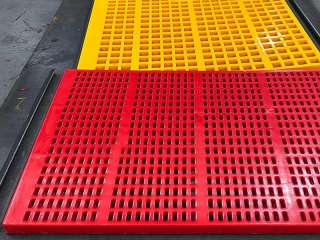
 polyurethane screen panels: Reducing Manual Handling and Installation Time">
Replacing heavy, cumbersome screen panels is often a labor-intensive and time-consuming task, requiring multiple personnel and specialized equipment Lightweight polyurethane screen panels are engineered to directly address this challenge
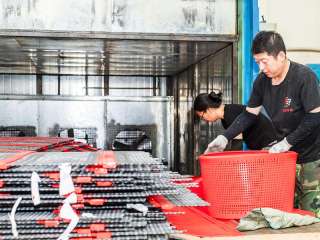 polyurethane screen panels">
polyurethane screen panels are valued for their wear resistance and flexibility, but harsh chemical environments demand specialized formulations
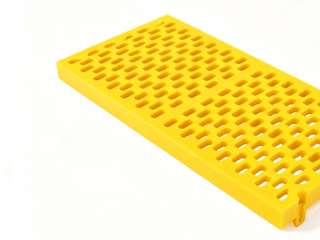 polyurethane screen panels">
Modular polyurethane screen plates have a service life that is 3-5 times longer than ordinary metal screen plates and approximately 5 times longer than rubber screen plates
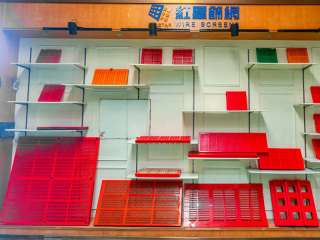 polyurethane screen panels">
For plant operators, identifying manufacturing defects in new polyurethane screen panels is crucial to avoid premature failures A systematic acceptance check ensures you install panels fit for purpose
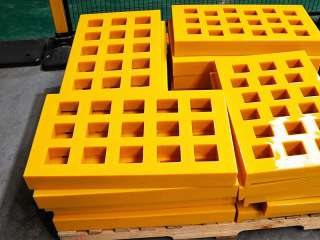 polyurethane screen panels in Phosphate Ore Beneficiation">
polyurethane screen panels sound like a great choice—they’re known for standing up to wear—but if they can’t handle both the grinding and the acid, you’re going to see a lot of downtime and wasted money
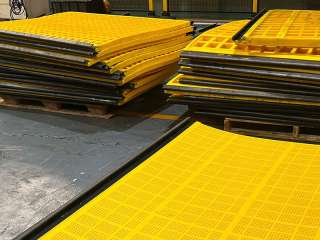 polyurethane screen panels Fight Adhesion and Statics In Graphite Ore Areas">
If your current screens keep gumming up with graphite fines, don t just blame the feed Blame the panel Anti-adhesion and anti-static polyurethane screen panels exist specifically for this headache
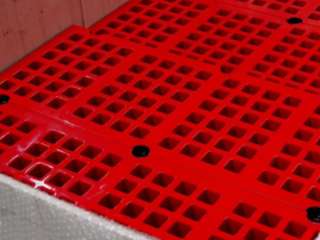 polyurethane screen panels and Woven Wire screens:Which Cuts the Noise in Ore screening">
Stepping into a mineral processing workshop, one is immediately met with the deafening noise of material impacting the screens; metal screens, in particular, generate significantly more noise than polyurethane screen panels
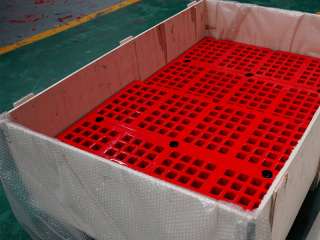 polyurethane screen panels in the screening of High-Viscosity Laterite Ore">
The right polyurethane screen panel cuts that downtime drastically, Picking the wrong PU aperture design, can leave you wasting money on a product that still can’t handle the unique stickiness and abrasive properties of laterite ore
 polyurethane screen panels in screening Applications">
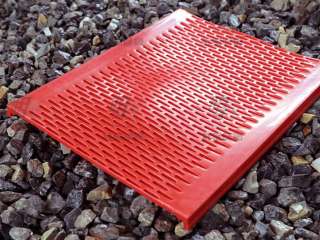
Flip Flow polyurethane screen panels are essential in industries like mining, recycling, and construction, where traditional screens struggle with challenging materials such as wet
 screen for Copper Ore: High Abrasion Resistance screening Media">
A purpose-built flat-top woven screen for copper ore completely outperforms every other traditional heavy-duty screening media option on the market
