
Polyurethane screens are a popular choice, but not all PU is created equal Relying on generic material specs is a gamble
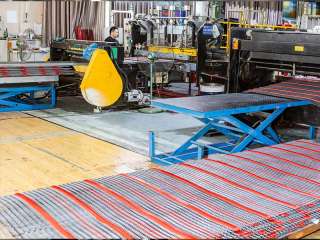
With standard screens, you’ll notice they get blocked fast—especially with clay-rich slurries, water stops flowing and the whole process grinds to a halt That’s why self-cleaning screens are essential
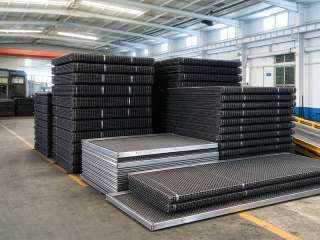
Screening compound fertilizer puts woven mesh through its paces Unlike plain rocks or sand, fertilizer granules soak up water from the air, chew through metal, and stick to just about anything
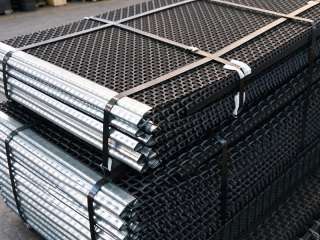
Woven metal screens that survive here are not just tough—they re engineered for two specific battles: resisting the physical impact of large lumps and preventing the adhesive clogging of wet fines
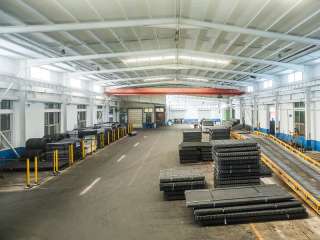
Hot-dip galvanized woven wire screens are everywhere in open-pit mines They’re supposed to stand up against the harsh elements, but let’s be real, mining throws a lot more at them than a gentle breeze or a little drizzle
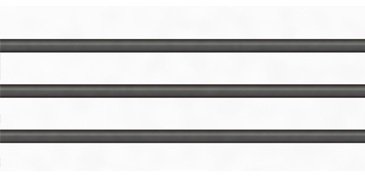
Our Modular Piano-wire Self-cleaning Screen Mesh is assembled into separate modular panels with parallel independent
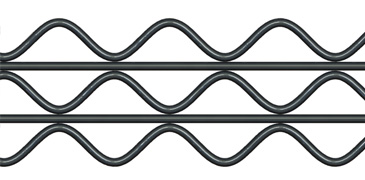
Modular triangular-hole self-cleaning screen mesh features a modular panel structure with unique triangular apertures
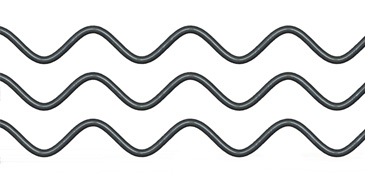
Modular corrugated S-type self-cleaning screen mesh features a unique S-shaped corrugated wire structure combined with modular panel design
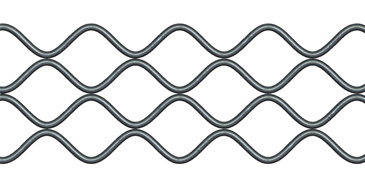
Modular Diamond-shaped opening Self-cleaning Screen Mesh integrates modular panel design with unique diamond apertures
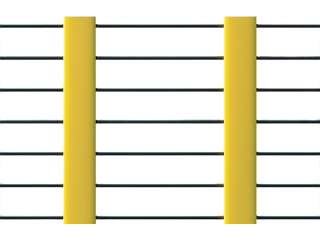
This screen mesh features long slots formed by straight wires (also known as L‑type anti‑clogging screen mesh)
